
The Fuel Duty Debate: Understanding Britain’s Controversial Tax on Motorists
What Exactly Is Fuel Duty and Why Does It Matter?
Fuel duty has a surprisingly long history in British taxation, first making its appearance over a century ago in 1909 before being temporarily abolished in 1919. The modern version of this tax that affects motorists today was established in 1993, and it has become one of the Treasury’s most reliable revenue streams. Essentially, fuel duty is a levy charged on various types of vehicle fuels and heating fuels, primarily petrol and diesel. According to figures from the RAC, this tax generates approximately £24 billion annually for the government coffers, making it a crucial component of public finances. What makes fuel duty particularly significant for everyday drivers is its substantial impact on pump prices – it accounts for a staggering 55% of what consumers pay for petrol, making it one of the primary reasons why fuel costs are so high in the United Kingdom compared to other countries.
The current rate structure is somewhat complex, reflecting different rates for various fuel types. For standard petrol, diesel, biodiesel, and bioethanol, the duty stands at 52.95 pence per litre. Alternative fuels attract different rates: liquefied petroleum gas (LPG) is taxed at 28.88 pence per kilogram, natural gas and biogas at 22.57 pence per kilogram, and fuel oil used in furnaces or heating systems at 9.78 pence per litre. What’s particularly noteworthy about these rates is their longevity – they’ve remained frozen for an impressive 15 years, with no increases since 2011. This freeze has been maintained through various governments and economic conditions, demonstrating the political sensitivity surrounding any changes to fuel taxation and the recognition of how deeply such changes affect ordinary people’s cost of living.
The Planned Increases: What’s Coming for Motorists?
The question of whether fuel duty is actually going up has become a point of considerable political contention and public concern. The current situation traces back to 2022, when the Conservative government responded to soaring energy costs following Russia’s full-scale invasion of Ukraine by introducing a temporary 5-pence cut to fuel duty. This measure was designed to provide some relief to motorists facing unprecedented fuel price increases. Under the original Conservative plans, this temporary reduction was scheduled to end shortly after the 2024 general election. However, when Labour came to power with Rachel Reeves as Chancellor, they extended this freeze until September 2026, providing continued relief to drivers.
Despite this extension, the government has mapped out a gradual restoration of fuel duty to its pre-2022 levels. The increases are designed to be implemented in stages rather than all at once, presumably to soften the impact on household budgets. According to the chancellor’s autumn budget announcement last year, fuel duty is currently scheduled to increase by 1 pence in September, followed by a further 2-pence rise in December, and another 2-pence increase in March 2027. This staggered approach would ultimately restore the full 5-pence that was cut in 2022. However, the certainty of these increases has recently been called into question. This week, government officials have stated that fuel duty is “under review” and that all final decisions regarding the tax will be made at the autumn budget. This creates uncertainty for both motorists and businesses who need to plan their finances.
The Iranian Crisis: Why Fuel Duty Is Suddenly Front-Page News
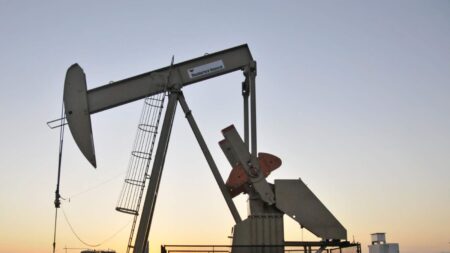
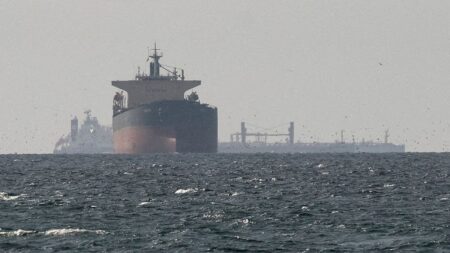
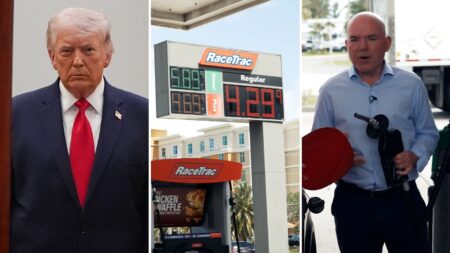
The reason fuel duty has suddenly become a hot topic of political debate relates directly to recent international developments, specifically the military strikes on Iran by the United States. These geopolitical tensions have caused oil prices to surge on international markets, which inevitably translates to higher costs at petrol stations across Britain. The RAC, which closely monitors fuel prices, has documented significant increases since the conflict began – petrol prices have risen by an average of 7.3 pence per litre, while diesel has seen an even steeper increase of 15.9 pence. These increases come on top of whatever fuel duty changes might be implemented, meaning motorists are facing a potential double hit to their wallets.
This confluence of events – planned fuel duty increases meeting unexpected price surges due to international conflict – has created a political storm. Both the Conservative opposition and Reform UK have seized on this situation to demand that Chancellor Rachel Reeves abandons plans to increase fuel duty. Their argument is straightforward: with fuel prices already rising sharply due to circumstances beyond anyone’s control, now is precisely the wrong time to add additional tax burdens on motorists. This puts the government in a difficult position, balancing the need for tax revenue against the political and practical implications of making life more expensive for millions of voters who depend on their vehicles for work, family responsibilities, and daily life. The government’s response has been to emphasize that the Iranian conflict is still in its early stages and that fuel duty isn’t rising “for now,” but this carefully worded statement leaves the door open for future changes.
Government Response: Cracking Down on Profiteering
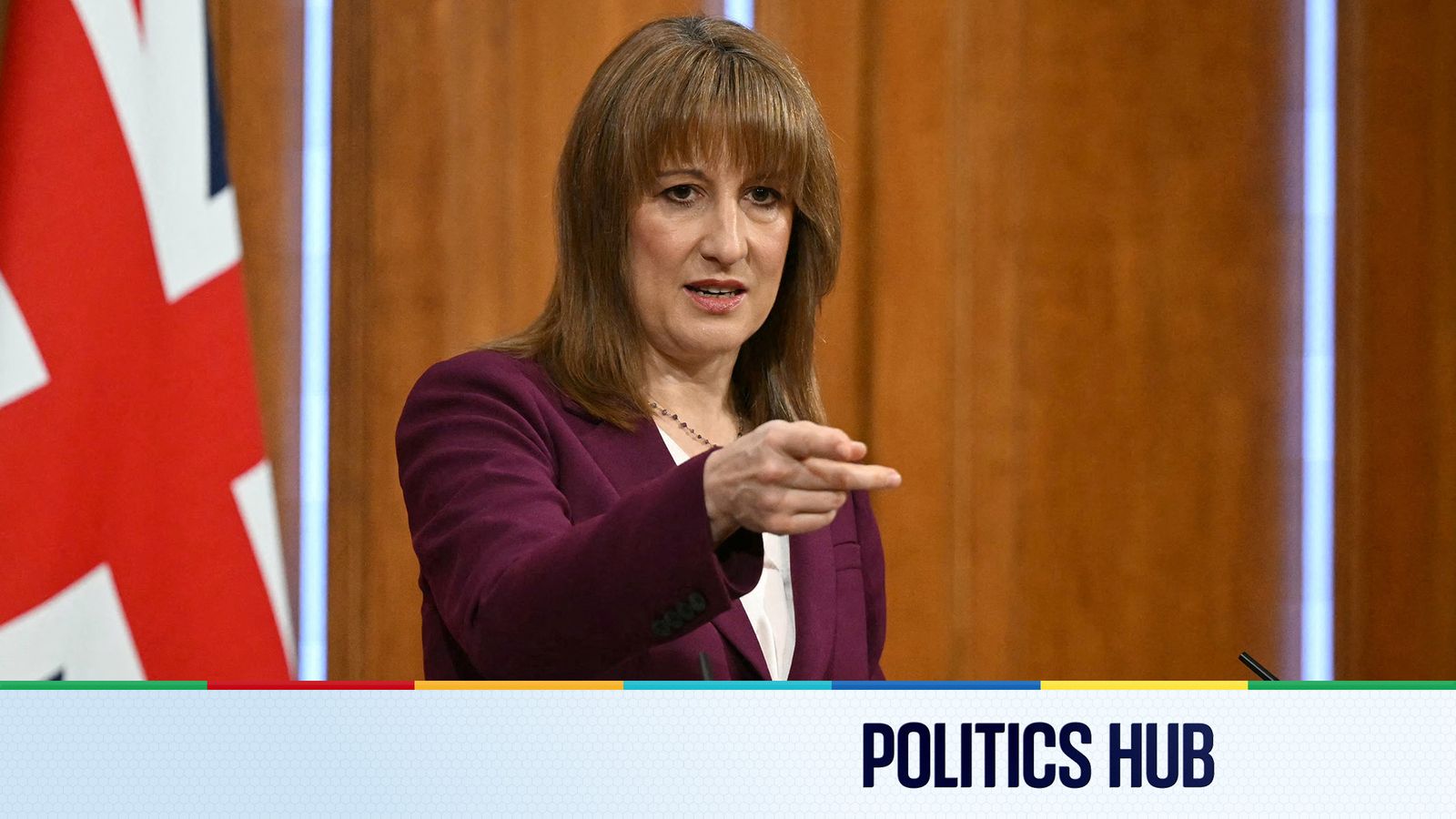
Chancellor Rachel Reeves has responded to the fuel price crisis with measures aimed not at the tax itself, but at ensuring retailers don’t exploit the situation to pad their profit margins. She is holding a meeting in Downing Street specifically to warn petrol retailers that the government will not tolerate profiteering – the practice of using the crisis as cover to increase prices beyond what’s justified by actual cost increases and thereby generate excessive profits. This approach attempts to address public concerns about fuel costs without making immediate changes to the tax structure, though critics might argue it’s focusing on symptoms rather than the underlying problem of high fuel taxation.
To support this enforcement effort, the government has implemented new transparency measures. The recently launched Fuel Finder tool requires all forecourts to register their fuel prices and notify the government within just half an hour of any price change. This creates unprecedented visibility into fuel pricing across the country and makes it much easier for regulators to identify outlets that are raising prices excessively or keeping them high when wholesale costs have fallen. Additionally, the chancellor has urged the Competition and Markets Authority – the consumer watchdog responsible for ensuring fair competition and protecting consumers – to scrutinize fuel prices closely and take action against any retailers found to be exploiting the situation. These measures demonstrate that while the government may be reviewing fuel duty, they’re also attempting to show they’re taking the overall issue of fuel costs seriously through other means.
The Broader Political and Economic Context
The fuel duty debate sits at the intersection of multiple pressing concerns for British households and the government alike. For families already struggling with the cost of living, fuel represents a significant expense that affects not just leisure travel but essential activities like commuting to work, taking children to school, and accessing healthcare. For businesses, particularly those in transport, logistics, construction, and agriculture, fuel costs directly impact their bottom line and competitiveness. The 15-year freeze on fuel duty rates, while politically popular, has meant that this revenue stream hasn’t grown in line with inflation or government spending needs. This creates a dilemma for any chancellor: maintaining the freeze is politically easier but makes balancing the budget harder, while increasing duty brings in needed revenue but risks public backlash.
The current situation is further complicated by the government’s broader fiscal challenges and policy objectives. Public services are under pressure, infrastructure needs investment, and the transition to net-zero carbon emissions requires substantial government spending. Fuel duty revenue helps fund these priorities, but so does public support for the government’s overall agenda. Moreover, there’s a tension between short-term political considerations – avoiding unpopular tax rises, especially when prices are already increasing due to external factors – and long-term policy goals like encouraging the transition to electric vehicles. Higher fuel duty for traditional petrol and diesel could theoretically accelerate this transition, but the government must balance this against the immediate impact on people who can’t afford to switch to electric vehicles or don’t have access to charging infrastructure. As the autumn budget approaches, Rachel Reeves will need to weigh all these factors while navigating the unpredictable situation in the Middle East and its ongoing impact on global oil prices. Whatever decision is ultimately made about fuel duty will send signals about the government’s priorities and its willingness to make difficult choices in challenging economic circumstances.