
The Return of Yellowstone’s Grizzlies: A Sign of Spring and Conservation Success
The First Grizzly Sighting of 2026
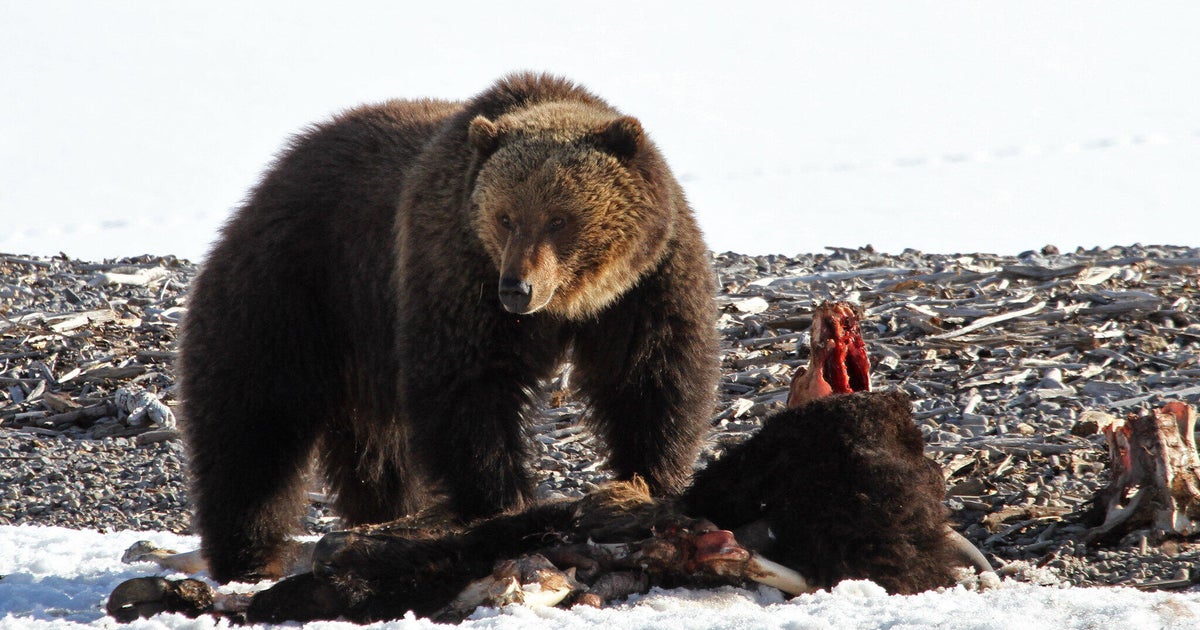
Spring has officially arrived at Yellowstone National Park, and we know this not just because of melting snow or blooming wildflowers, but because of something far more impressive—the first grizzly bear of the year has emerged from hibernation. Earlier this week, biologists working in the northern reaches of America’s first national park spotted a grizzly making its way through the backcountry, signaling that these magnificent creatures are beginning to wake from their long winter’s rest. The sighting took place on Monday in northwestern Wyoming’s iconic wilderness, home to somewhere between 150 and 200 grizzly bears within the park’s boundaries. But Yellowstone’s grizzly population is just part of a much larger success story—across the greater Yellowstone ecosystem, which sprawls across portions of Montana, Idaho, and Wyoming beyond the park itself, more than 1,000 grizzlies now roam free. This first bear wasn’t just wandering aimlessly after months of sleep; it was doing exactly what hungry grizzlies do best—scavenging. Park officials found the bear feeding on the carcass of a bull bison near Yellowstone Lake, taking advantage of an animal that didn’t survive the harsh Wyoming winter. The image captured by National Park Service photographer Jim Peaco shows the powerful predator standing over its meal, a scene that perfectly captures the raw beauty and unforgiving nature of life in Yellowstone.
A Predictable Pattern of Emergence
What’s fascinating about this year’s sighting is how remarkably consistent it is with previous years, demonstrating that grizzly bears follow a fairly predictable schedule when it comes to ending their hibernation. This year’s first grizzly appeared right on schedule compared to recent seasons—the inaugural sighting happened on March 14 in 2025, March 3 in 2024, and March 7 in both 2023 and 2022. This consistency tells us a lot about how these animals are attuned to seasonal changes and environmental cues that signal when it’s time to leave the safety and warmth of their winter dens. There’s also a distinct pattern in which bears emerge based on gender and family status. Male grizzlies, being the bachelors of the bear world, are typically the first to venture out, often showing up in early March when there’s still plenty of snow on the ground. They’re driven by hunger and the need to establish territories before the mating season begins. Female grizzlies, especially those with cubs, are more cautious and tend to wait until April or May when conditions are milder and food sources are more abundant. This makes perfect sense from a survival standpoint—mothers with young cubs need to ensure there’s enough food available and that conditions are safe enough for their vulnerable offspring to navigate the world outside the den for the first time.
Post-Hibernation Behavior and Safety Concerns
When grizzly bears first emerge from hibernation, they’re not the well-fed, robust creatures they were when they entered their dens months earlier. Hibernation takes a serious toll on their bodies, and they wake up hungry—extremely hungry. According to the National Park Service, these bears immediately begin searching for food, and their first meals often consist of elk and bison that didn’t survive the brutal winter months. These carcasses provide essential protein and fat that help the bears regain their strength after months without eating. However, this natural feeding behavior creates a potentially dangerous situation for park visitors. The park service has issued clear warnings that bears feeding on carcasses can be especially aggressive and protective of their food sources. When a hungry grizzly has found a substantial meal like a bison carcass, it considers that food its property and will defend it vigorously against any perceived threat—including curious or unsuspecting humans. This is why park officials strongly advise visitors to maintain safe distances from bears at all times, to never approach wildlife, and to be especially vigilant in areas where carcasses might be present. The combination of hunger, protective instincts, and the sheer power of these animals makes springtime in grizzly country a period requiring extra caution and awareness from everyone visiting Yellowstone.
A Remarkable Conservation Success Story
The presence of over 1,000 grizzly bears in the greater Yellowstone ecosystem is nothing short of a conservation miracle, representing one of the most successful wildlife recovery efforts in American history. To truly appreciate this achievement, we need to look back at where things stood just fifty years ago. In 1975, Yellowstone officials estimated that the grizzly bear population in the region had plummeted to a desperately low 136 individuals. This catastrophic decline had brought grizzlies to the very brink of extinction in the contiguous United States, the result of decades of hunting, habitat loss, and conflicts with humans as westward expansion pushed into traditional bear territories. The situation was so dire that grizzly bears were listed as threatened under the Endangered Species Act, a designation that brought federal protection and launched intensive conservation efforts. What followed was a remarkable turnaround that involved habitat protection, strict regulations on human activities in bear country, public education campaigns, and careful monitoring of bear populations. Today’s thriving grizzly population occupies more than 27,000 square miles of wilderness and continues to expand into new habitats, reclaiming territory that bears haven’t inhabited in generations. Scientists now consider the Yellowstone grizzly population to be doing exceptionally well, a testament to what’s possible when conservation is taken seriously and adequate resources are committed to protecting endangered species.
The Broader Yellowstone Ecosystem
Understanding grizzly recovery requires understanding that Yellowstone National Park, while iconic, is just one piece of a much larger ecological puzzle. The “greater Yellowstone ecosystem” is a vast network of protected and unprotected lands that provides the space these wide-ranging animals need to truly thrive. This ecosystem extends far beyond the park’s official boundaries, encompassing national forests, wilderness areas, and private lands across Wyoming, Montana, and Idaho. This broader landscape approach to conservation recognizes that grizzlies don’t respect human-drawn boundaries and need room to roam, find mates, establish territories, and access seasonal food sources. A single grizzly bear’s home range can span hundreds of square miles, which means that effective conservation requires cooperation across jurisdictional lines and among various stakeholders, including federal agencies, state wildlife departments, Native American tribes, ranchers, and local communities. The expansion of grizzly habitat beyond traditional strongholds shows that the ecosystem can still support these apex predators when given the chance, but it also creates new challenges as bears increasingly encounter humans in areas where people haven’t had to think about living alongside grizzlies for decades or even centuries. Managing this expanding population while minimizing conflicts with humans represents the next chapter in grizzly conservation.
Looking Forward: Coexistence and Continued Protection
As we celebrate the first grizzly sighting of 2026 and the broader success of bear conservation in Yellowstone, we’re also reminded of the ongoing responsibilities that come with sharing the landscape with these powerful predators. The fact that grizzlies remain listed as threatened under the Endangered Species Act, despite their recovery, reflects the reality that their long-term survival is not yet guaranteed and requires continued vigilance and protection. There have been debates and legal battles in recent years about whether Yellowstone’s grizzlies have recovered sufficiently to be removed from the threatened species list, with some arguing that the population has met recovery goals while others contend that continued federal protection is essential to prevent backsliding. What’s not debatable is that the recovery we’ve seen represents an enormous investment of time, money, and effort by countless individuals and organizations committed to ensuring that future generations will know a world with wild grizzly bears. As visitors begin planning their spring and summer trips to Yellowstone, the emergence of that first grizzly serves as both an invitation and a warning—an invitation to witness one of nature’s most magnificent creatures in one of the world’s most spectacular settings, and a warning to approach that experience with the respect, caution, and awareness that these wild animals deserve. The grizzly standing over that bison carcass near Yellowstone Lake isn’t just a photo opportunity; it’s a living symbol of wilderness, a reminder of what we can accomplish when we commit to conservation, and a testament to the enduring power of wild places and wild things in an increasingly developed world.