
Your Rights When Flights Are Delayed or Cancelled: A Complete Guide
Understanding Flight Disruptions in Today’s Travel Landscape
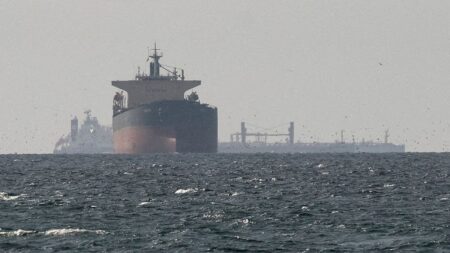
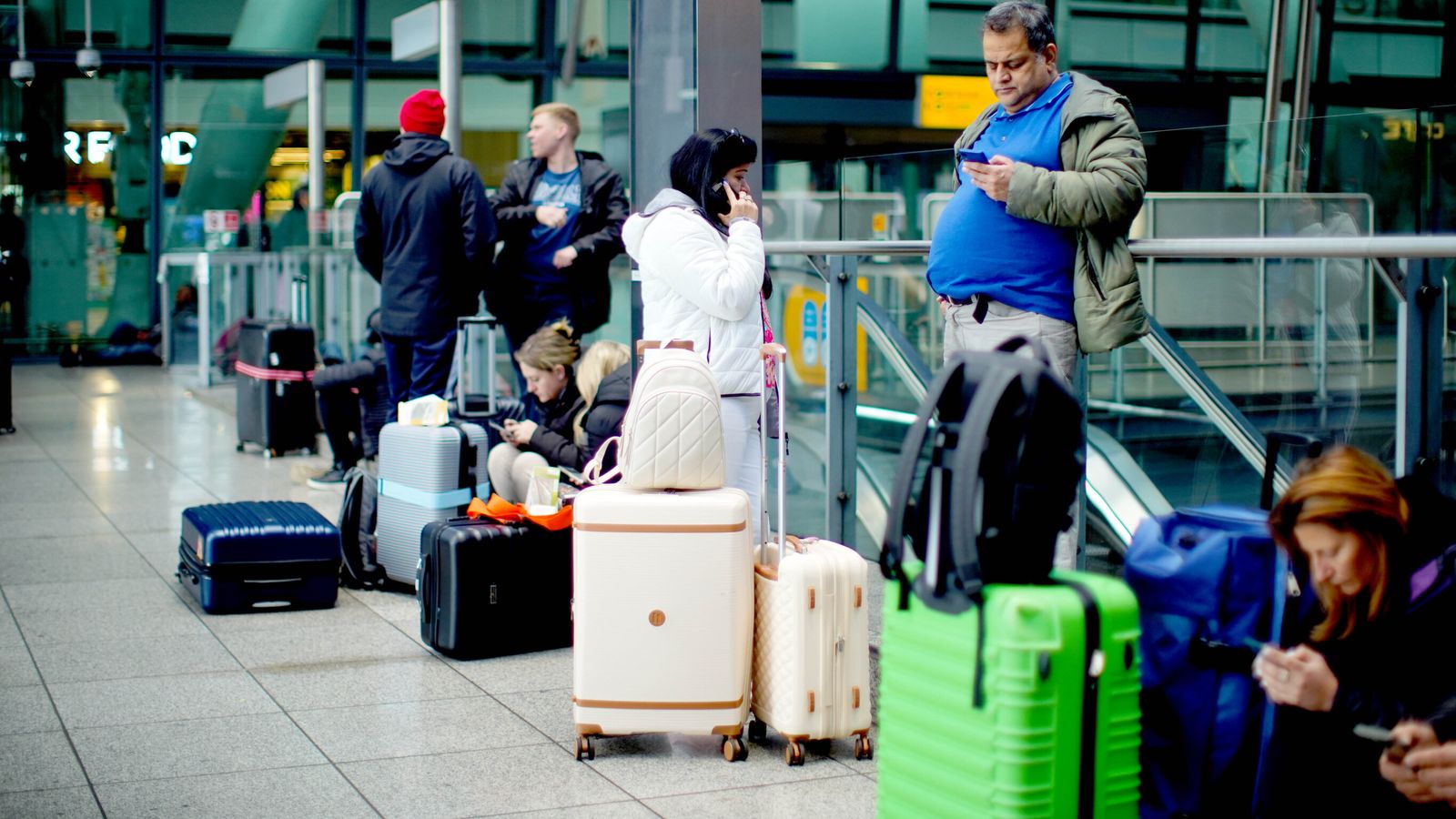
Air travel has become increasingly unpredictable, with passengers facing disruptions from various sources ranging from geopolitical tensions to weather events. Recent joint US-Israel military strikes on Iran and subsequent retaliation from Tehran have highlighted just how vulnerable international air routes can be to sudden changes. Whether it’s conflicts in volatile regions, unexpected weather patterns, or technical issues, modern travelers need to understand their rights when things don’t go according to plan. Statistics from 2024 show that flights from major UK airports experienced an average delay of 18 minutes and 24 seconds, with London Gatwick earning the unfortunate distinction of being the worst performer for delays among British airports. These numbers represent real people with missed connections, disrupted business meetings, and ruined holiday plans. Understanding what airlines owe you during these frustrating situations can make the difference between being stranded without support and receiving the care you’re entitled to by law.
When UK Law Protects You: Coverage and Eligibility
Not all flights and passengers receive the same legal protections, so it’s crucial to know when you’re covered under UK law. Your flight falls under UK consumer protection regulations if it meets certain specific criteria: it must either depart from or arrive at a UK airport while operating on a UK or EU airline, or arrive at an EU airport on a UK airline. This coverage is more comprehensive than many travelers realize, extending protection to British holidaymakers and business travelers across Europe and beyond. However, there’s a significant gap in protection that catches many people off guard. According to travel expert Simon Calder, passengers flying to the UK from outside Europe on non-UK or non-EU airlines represent “the people to be concerned about.” These airlines operate under different rules and have no legal obligation to provide assistance when flying to Britain from their home countries. While some may choose to help passengers as a matter of good customer service, they’re equally entitled to tell you it’s not their responsibility and leave you to sort things out yourself, potentially forcing you to rely on travel insurance rather than airline support.
Your Rights During Significant Flight Delays
UK law doesn’t just acknowledge that delays happen—it requires airlines to actively care for you when they do. The definition of “significant delays” varies based on how far you’re traveling, recognizing that a two-hour delay on a short hop feels different than the same delay on an intercontinental journey. For short-haul flights covering less than 1,500 kilometers (about 932 miles), delays exceeding two hours trigger your rights to assistance. Medium-haul flights between 1,500 and 3,500 kilometers (932 to 2,175 miles) cross the threshold at three hours, while long-haul flights over 3,500 kilometers must delay more than four hours before these obligations kick in. Once your delay reaches these timeframes, airlines must provide several essential services until they can get you to your destination. You’re entitled to a reasonable amount of food and drink—keeping you fed and hydrated while you wait. They must also give you the means to communicate, typically by covering the cost of phone calls, which in our digitally connected world often means providing Wi-Fi access or refunding communication expenses. If the delay extends overnight and you’re rerouted the following day, the airline must arrange accommodation and provide transportation both to and from that accommodation or to your home if returning there is feasible.
What makes these protections particularly strong is that they apply regardless of what caused the delay. Whether it’s the airline’s mechanical problems, air traffic control issues, weather complications, or geopolitical disruptions like recent strikes involving Iran, the airline’s obligation to care for you remains the same. During major disruptions affecting hundreds or thousands of passengers, airlines might struggle to arrange these services directly for everyone. The UK Civil Aviation Authority (CAA) recognizes this reality and allows you to organize necessary food, accommodation, and communication yourself, keeping every receipt to claim reimbursement from your airline later. However, this flexibility comes with important limitations. You must remain reasonable in your spending—this isn’t an opportunity to stay in luxury hotels, order premium meals, or charge expensive drinks to your airline. The emphasis is on reasonable expenses that genuinely address your needs during the delay, not upgrading your experience at the airline’s expense.
What Happens When Your Flight Gets Cancelled
Flight cancellations, while more disruptive than delays, actually trigger clearer rights and options. When an airline cancels your flight, they must offer you a straightforward choice: either receive a refund or be booked on an alternative flight. The refund option is more comprehensive than many travelers realize. You can get your money back for any unused portions of your ticket, which matters particularly on multi-leg journeys. If you’ve booked a return flight and the outbound journey gets cancelled, you’re entitled to receive the full cost of the entire return ticket, not just the cancelled portion. Similarly, if you’re a transfer passenger who has already completed part of your journey when a connecting flight gets cancelled, you have the right not only to a refund but also to a flight returning you to your original departure point if you decide to abandon your journey rather than continue with delays.
If you still want to reach your destination despite the cancellation, your airline must find you another way to get there. This might mean booking you on their next available flight, or it could involve arranging travel on an alternative, later date that suits your schedule better. In some situations, when another airline has seats available significantly sooner than your original carrier can offer, you may have the right to be transferred to that competitor’s flight, though this typically requires negotiation with your airline rather than being automatically granted. Travel industry expert Naveen Dittakavi, founder and CEO of Next Vacay, offers practical advice for handling last-minute cancellations at the airport: “The best thing you can do is stay calm—you are protected against many things that might go wrong.” Rather than joining potentially long queues at airport service desks, he suggests calling the airline’s helpline, where representatives often have more flexibility to provide e-credits, vouchers, or quickly change your travel dates.
The Complex Question of Financial Compensation
Beyond immediate care during delays and rebooking after cancellations, passengers may also qualify for financial compensation—but this area is considerably more complicated and limited. Airlines may be required to pay compensation if your flight arrives at its final destination more than three hours late, but this obligation only applies when the delay is considered the airline’s fault. The critical limitation here involves what the CAA defines as “extraordinary circumstances,” which covers situations beyond the airline’s control. Unfortunately for passengers, this category encompasses many of the most common causes of flight disruptions, including adverse weather conditions, air traffic control strikes, baggage handler strikes, security threats, and political instability or military actions like the recent Iran strikes. When delays result from these extraordinary circumstances, airlines have no legal obligation to provide financial compensation, even if you arrive many hours late or miss important events. This means that while you’re entitled to food, drink, accommodation, and rebooking regardless of the cause, actual monetary compensation only applies to delays stemming from issues within the airline’s control—such as mechanical problems they should have prevented, staffing shortages they should have planned for, or operational decisions they made. The distinction can feel frustratingly arbitrary to stranded passengers, but it reflects a legal framework that tries to balance passenger rights against the reality that airlines cannot control weather, global conflicts, or labor actions by third-party organizations.