
Florida Makes History with Groundbreaking Stablecoin Legislation
A Bold Step Forward in Digital Currency Regulation
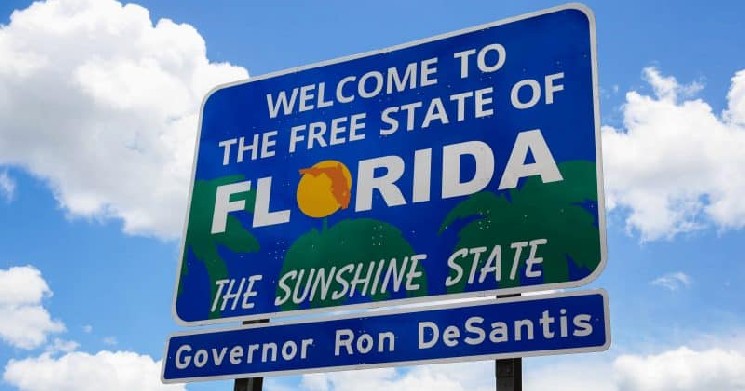
Florida has once again demonstrated its commitment to becoming America’s cryptocurrency capital by passing landmark legislation that establishes the nation’s first comprehensive regulatory framework for payment stablecoins. This historic move positions the Sunshine State at the forefront of digital asset innovation and regulation, setting a precedent that could influence how other states approach cryptocurrency oversight. The bill, which now sits on Governor Ron DeSantis’s desk awaiting his signature, represents years of careful planning and reflects Florida’s broader strategy to attract blockchain businesses and establish itself as a technology-forward state. Given DeSantis’s well-documented support for crypto-friendly policies and his administration’s efforts to position Florida as a blockchain innovation hub, the governor’s approval appears likely. This legislation doesn’t just represent a regulatory milestone—it signals Florida’s intention to lead the conversation on how states can responsibly integrate digital currencies into their financial systems while protecting consumers and maintaining oversight.
Understanding the Framework: Licensing and Federal Alignment
The newly passed legislation creates a structured licensing system for companies that issue stablecoins, which are cryptocurrencies designed to maintain a stable value by being pegged to traditional assets like the US dollar. What makes Florida’s approach particularly noteworthy is how it aligns with federal standards, specifically the GENIUS Act that President Trump signed into law in July 2025. This strategic alignment means that stablecoin issuers can operate under Florida’s state supervision while simultaneously meeting nationally recognized standards, creating a seamless regulatory environment that reduces confusion and compliance burdens for businesses. The framework establishes clear rules about who can issue stablecoins in Florida and what requirements they must meet, bringing much-needed clarity to an industry that has often operated in regulatory gray areas. By creating this dual-compliance pathway, Florida has essentially built a bridge between state-level innovation and federal oversight, demonstrating that states don’t need to wait for Washington to act on digital currency regulation. This proactive approach could serve as a model for other states considering similar legislation, potentially creating a patchwork of state regulations that collectively shape the national cryptocurrency landscape.
Registration Requirements and Oversight Structure
The legislation establishes important guardrails for how stablecoin issuers can operate within Florida’s borders. Companies that issue qualified stablecoins but are based outside of Florida will need to provide written notification to the state’s Office of Financial Regulation before they can offer their services to Florida residents. This requirement ensures that state regulators maintain awareness of who is operating in their jurisdiction and can monitor these activities appropriately. The oversight structure itself is particularly interesting because it creates a tiered system of supervision. Some payment stablecoins will fall exclusively under the watch of Florida’s Office of Financial Regulation, giving the state complete oversight authority. However, other stablecoins will be subject to joint supervision, with both Florida’s financial regulators and the federal Office of the Comptroller of the Currency sharing oversight responsibilities. This dual-supervision model acknowledges the reality that cryptocurrency operates across state lines and sometimes requires coordinated federal-state oversight to be effective. It also provides flexibility, recognizing that different types of stablecoins may pose different levels of risk and therefore require different regulatory approaches. This nuanced structure demonstrates that Florida’s lawmakers have thought carefully about how to balance state authority with the need for federal coordination in regulating a technology that doesn’t respect geographic boundaries.
The Government Payment Pilot Program: A Real-World Test
Perhaps one of the most innovative aspects of Florida’s new legislation is the pilot program it establishes, which would allow the state’s Department of Financial Services to accept stablecoin payments for government services. This provision transforms Florida from merely a regulator of digital currencies into an actual user of the technology, putting state government operations where its legislative mouth is, so to speak. Imagine being able to pay for your vehicle registration, state park fees, or business licensing costs using stablecoins instead of traditional payment methods. This pilot program could make that scenario a reality, offering Florida residents more flexibility in how they interact with state services while simultaneously testing how well stablecoins function in real-world government payment situations. The pilot program serves multiple purposes: it demonstrates the state’s confidence in the technology it’s regulating, provides valuable data about how stablecoins perform in high-volume payment scenarios, and positions Florida as a living laboratory for digital currency integration into government services. If successful, this experiment could encourage other states to follow suit, potentially revolutionizing how Americans pay for government services nationwide. It also sends a powerful signal to the blockchain industry that Florida isn’t just talking about innovation—it’s actively implementing it in practical, meaningful ways.
Interest Payment Restrictions: Protecting Consumers and Ensuring Stability
The legislation includes an important consumer protection provision that restricts when stablecoin issuers can offer yield or interest to people who hold their digital currencies. Specifically, qualified payment stablecoin issuers will be prohibited from paying interest to holders if such payments are restricted under federal law. This provision might seem technical, but it addresses a crucial concern in the cryptocurrency world: ensuring that stablecoins remain true to their purpose as payment instruments rather than becoming investment vehicles or unregulated securities. When stablecoins start offering yields or interest payments, they begin to look more like investment products, which triggers different regulatory considerations and potentially exposes holders to different types of risks. By limiting interest payments, Florida’s legislation helps maintain a clear distinction between payment stablecoins and other types of digital assets. This approach also prevents a scenario where stablecoin issuers might promise unsustainable returns to attract users, only to face financial difficulties later that could harm consumers. The restriction aligns Florida’s framework with broader regulatory thinking about how to categorize different types of cryptocurrencies and ensures that payment stablecoins remain focused on their core function: facilitating transactions efficiently and reliably while maintaining stable value.
The Road Ahead: Florida’s Digital Asset Leadership
Florida’s passage of this comprehensive stablecoin framework represents more than just a single piece of legislation—it’s the latest move in the state’s broader strategy to become America’s undisputed leader in digital asset policy and blockchain innovation. Under Governor DeSantis’s leadership, Florida has consistently positioned itself as a welcoming home for cryptocurrency businesses, blockchain startups, and digital asset innovation. This latest legislation builds on previous initiatives and sends a clear message to the industry: Florida understands blockchain technology, believes in its potential, and is willing to create the regulatory certainty that businesses need to invest and grow. The timing is particularly significant as the cryptocurrency industry continues to mature and seek legitimacy through appropriate regulation. By being first to establish a comprehensive stablecoin framework, Florida gains first-mover advantages in attracting businesses and talent to the state. The legislation could trigger a competitive dynamic where other states rush to pass their own frameworks, potentially creating a “race to the top” in digital asset regulation that benefits both industry and consumers. As Governor DeSantis considers signing this bill into law, the entire cryptocurrency world is watching Florida, recognizing that this moment could mark a turning point in how American states approach digital currency regulation and innovation. Whether other states follow Florida’s lead or chart different courses, the Sunshine State has undeniably claimed its position at the forefront of America’s digital asset future.