


Florida Airport Gets Presidential Makeover: The Renaming of Palm Beach International
A Bold Move in Trump’s Home State
In a ceremony that blended state politics with presidential legacy-building, Florida Governor Ron DeSantis put pen to paper Monday to officially rename one of the state’s busiest airports. The Palm Beach International Airport, a bustling hub that has served countless travelers over the decades, will soon bear a new identity: President Donald J. Trump International Airport. This change, set to become official on July 1, represents one of the most significant renamings of a major U.S. airport in recent memory. The decision comes as no surprise given Trump’s deep connections to Palm Beach, where his Mar-a-Lago resort has served as both a personal residence and what many have called the “Winter White House.” The move has sparked conversations nationwide about how we honor political figures and the intersection of politics, commerce, and public infrastructure.
The renaming of public facilities after presidents isn’t unprecedented in American history. We’ve seen this before with Washington Dulles International Airport, John F. Kennedy International Airport in New York, and George Bush Intercontinental Airport in Houston. However, what makes this particular renaming unique is the speed at which it’s happening and the involvement of various stakeholders, including the Trump family business itself. The Federal Aviation Administration has clarified that while they don’t actually approve or disapprove of airport name changes—considering them primarily local matters—they do have important administrative responsibilities to fulfill. According to their statement released Monday, the FAA must undertake the practical work of updating navigational charts and databases to reflect the new name, ensuring that pilots, air traffic controllers, and航空 systems worldwide recognize the facility by its new designation.
The Business Side of Presidential Branding
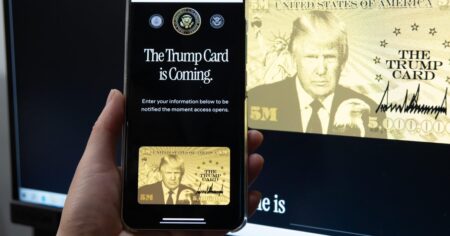
What’s particularly interesting about this airport renaming is the commercial dimension that has emerged alongside the political gesture. According to records from the United States Patent and Trademark Office, the Trump family business filed a trademark application for the airport’s new name back in February. This wasn’t just a simple name filing—the application covered an extensive range of travel-related products and merchandise that most travelers would recognize from their own airport experiences. The list included practical items like luggage and flight suits, as well as more mundane but necessary products like plastic shoe protectors used during the airport security screening process. For anyone who’s traveled through a major airport, it’s easy to imagine how branded merchandise could appear everywhere from gift shops to travel accessory stores.
The trademark filing raised eyebrows and prompted questions about whether the Trump family might profit from a public facility bearing the president’s name. After all, airports are highly commercial environments where branding can translate directly into revenue through licensing agreements, merchandise sales, and promotional partnerships. Sensing potential controversy, the Trump Organization moved quickly to address these concerns. In a statement issued back in February, when the trademark application first became public knowledge, the company insisted that the application was merely a response to the Florida bill proposing the name change. More importantly, they categorically stated that neither President Trump nor his family members would receive “any royalty, licensing fee, or financial consideration whatsoever from the proposed airport renaming.” This disclaimer was clearly intended to separate the political honor of having an airport bear Trump’s name from any commercial benefit that might flow from it, addressing critics who might accuse the family of monetizing public infrastructure.
Family Pride and Political Celebration
Despite the Trump Organization’s assurances about not profiting from the name change, there’s no hiding the family’s enthusiasm about the honor. Eric Trump, one of the president’s sons who has been actively involved in both the family business and his father’s political activities, took to social media platform X (formerly known as Twitter) to express his feelings about the airport renaming. In his post on Monday, he wrote that he was “proud to have played a small role in making this happen.” This statement suggests that behind the scenes, members of the Trump family may have been involved in discussions with Florida officials about the renaming, though the exact nature of their involvement remains somewhat unclear. What is clear is that for the Trump family, having a major international airport bearing the president’s name represents a significant legacy achievement—a permanent fixture in the landscape that will outlast any single political term or administration.
The involvement of Governor Ron DeSantis in this ceremony is also noteworthy from a political perspective. DeSantis, who mounted his own presidential campaign before eventually withdrawing and endorsing Trump, has maintained a complex political relationship with the president. By signing this bill, DeSantis demonstrates his alignment with Trump and his continued importance in Florida politics, where Trump remains extremely popular among many voters. The governor’s participation in the renaming ceremony sends a clear message about political priorities in Florida and the enduring influence of Trump’s brand within the state’s Republican establishment. For travelers who will pass through this airport in the coming years, the name will serve as a constant reminder of this political alliance and the specific moment in American history that produced it.
The Practical Implications for Travelers
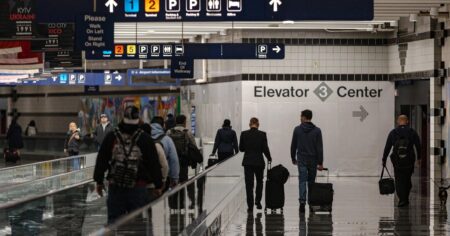
While the political and symbolic dimensions of the renaming have captured most of the attention, there are real practical considerations for the millions of people who use this airport annually. Palm Beach International serves as a gateway to one of Florida’s most famous destinations, handling both domestic and international flights. When the name officially changes on July 1, there will be an adjustment period as travelers, airlines, travel booking systems, and navigation technologies all update their information. The Federal Aviation Administration’s statement about updating “navigational charts and databases” might sound like bureaucratic jargon, but it represents essential work that ensures flight safety and operational efficiency. Pilots rely on precise airport identifications, and air traffic control systems need accurate data to coordinate the thousands of flights that crisscross American airspace every day.
For ordinary travelers booking flights, the change will gradually become apparent as airlines update their websites, booking systems switch over to the new name, and travel apps reflect the new designation. There might be some initial confusion during the transition period—someone might search for “Palm Beach International” and need to be redirected to results for “President Donald J. Trump International Airport.” GPS systems and mapping applications will need updates. Airport signage will be replaced, from the enormous letters visible from highways to the detailed directional signs inside the terminal. All of these changes come with costs, both in terms of money and logistical coordination. Local authorities will need to manage this transition smoothly to avoid disrupting the travel experience for passengers who might already be dealing with the usual stresses of air travel—security lines, flight delays, baggage concerns, and tight connections.
A Reflection on Legacy and Public Memory
The renaming of Palm Beach International Airport ultimately raises broader questions about how we commemorate political figures and what criteria should guide such decisions. Historically, airports and other major public facilities have typically been renamed after presidents years or even decades after their time in office, allowing for historical perspective and broad consensus about their legacy. The speed of this particular renaming—occurring during Trump’s presidency—marks a departure from that tradition and reflects the highly polarized nature of contemporary American politics. For Trump’s supporters, the airport renaming represents a well-deserved recognition of a president they believe has transformed American politics and delivered on his promises. For his critics, the move might seem premature or inappropriate, honoring a controversial figure whose presidency remains the subject of intense debate and whose legal challenges continue to make headlines.
Regardless of one’s political perspective, the President Donald J. Trump International Airport will become a lasting part of South Florida’s landscape and American aviation infrastructure. Future generations of travelers—whether they’re heading to Palm Beach for vacation, conducting business in the area, or simply connecting to other flights—will pass through a facility bearing this name, and many will likely wonder about the circumstances that led to it. Perhaps some will research the history and learn about this moment in 2025 when a governor signed a bill and an airport changed its identity. The renaming serves as a reminder that our public spaces are never politically neutral—they reflect the values, priorities, and power dynamics of the moments in which naming decisions are made. As July 1 approaches and the new signs go up, a new chapter begins for this airport, one that intertwines local infrastructure with national politics, presidential legacy with everyday travel, and public honor with private enterprise in ways that will continue to provoke discussion for years to come.