
Remembering Captain Cody Khork: A Life of Service and Devotion
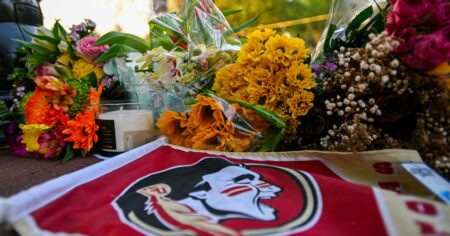
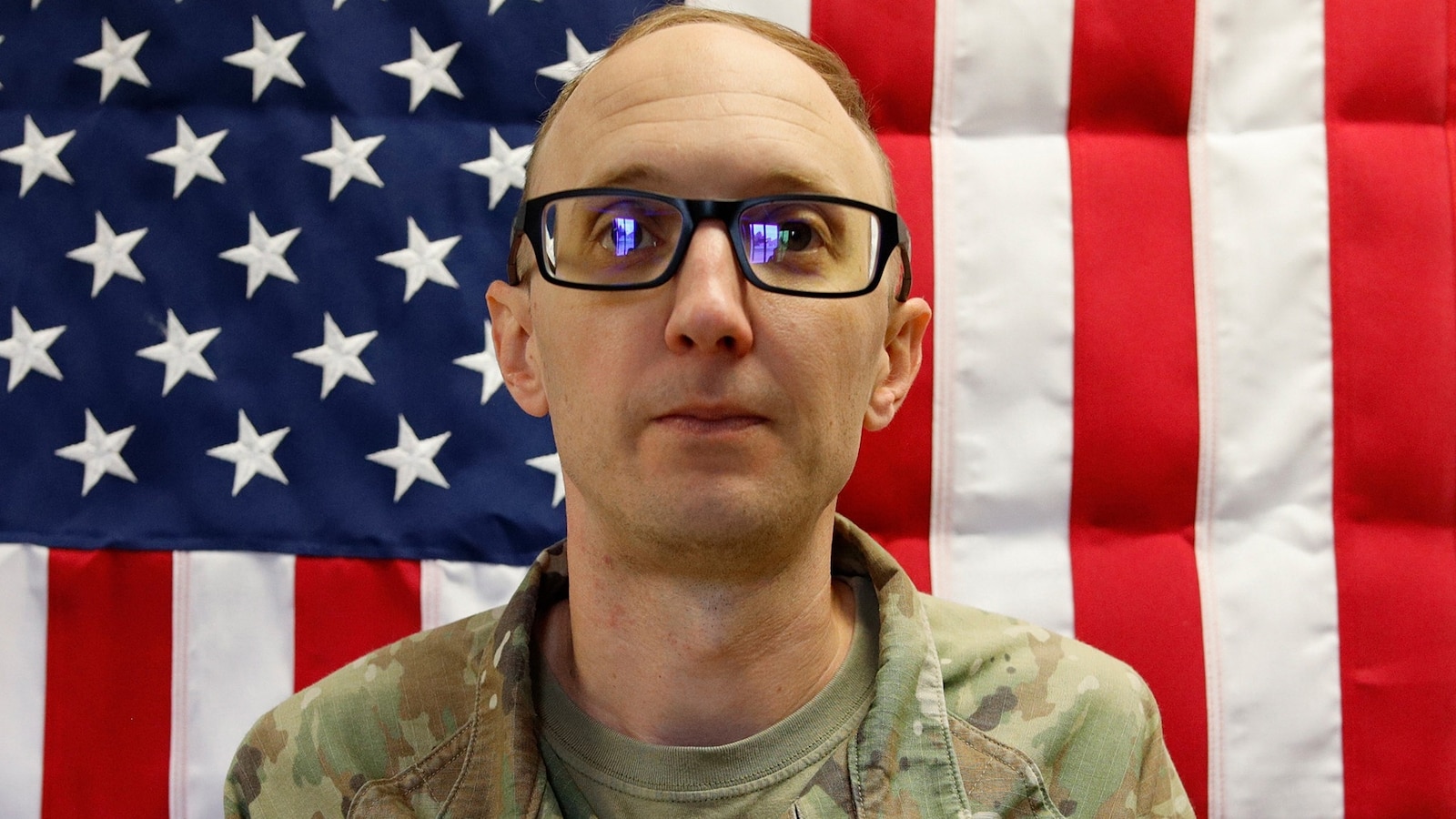
The opening hours of conflict with Iran brought devastating news to American families across the nation, as six U.S. service members lost their lives in a drone strike at Shuaiba port in Kuwait. Among those fallen heroes was Captain Cody A. Khork, a 35-year-old officer from Winter Haven, Florida, whose family remembers him as someone who embodied the very best of what it means to serve one’s country. The attack, which also wounded 18 additional service members, targeted a commercial harbor that serves a dual purpose as a crucial logistics hub where the U.S. military channels tactical vehicles and essential supplies throughout the region. As families grieve and the nation mourns, the stories of these brave individuals remind us of the profound sacrifice that military service demands and the personal toll of conflict on communities far from the battlefield.
A Young Man’s Calling to Serve
Captain Khork’s journey to military service began long before he wore the uniform. According to his family, he felt a deep calling to serve his country from a young age, a sense of purpose that would come to define his adult life. This wasn’t a decision made lightly or on impulse; it was a conviction that grew from his core values and shaped the path he would follow. In 2009, Khork took his first formal step toward fulfilling this calling when he enlisted in the National Guard, beginning what would become a distinguished military career spanning more than a decade. His dedication and performance led him to be commissioned as a Military Police Officer in the Army Reserve in 2014, a role that would take him to some of the world’s most strategically important and challenging locations. At the time of his death, Captain Khork was assigned to the 103rd Sustainment Command, an Army Reserve unit based in Des Moines, Iowa, far from his Florida home but serving a mission he believed in deeply.
A Scholar, Patriot, and Leader
Beyond his military credentials, Captain Khork was a man of intellectual curiosity and academic achievement. His family described him as having a “great love for history,” a passion that naturally led him to study political science at Florida Southern College. There, he didn’t just attend classes—he fully engaged with his education while simultaneously preparing for military service through the Reserve Officers’ Training Corps (ROTC) program. This combination of academic study and military training reflects the depth of his commitment to understanding not just how to serve, but why service matters. His study of political science and history gave him context for the missions he would later undertake, grounding his service in a broader understanding of America’s role in the world. His family emphasized that “he was deeply patriotic and took great pride in serving something greater than himself,” a sentiment that captures the selflessness that characterized both his military career and his personal life. This wasn’t blind patriotism but an informed, thoughtful dedication to principles and values he had studied and internalized.
The Life of the Party
Those who knew Captain Khork remember him not just as a dedicated soldier and scholar, but as someone who brought joy and energy to every room he entered. His family fondly described him as “truly the life of the party, known for his infectious spirit, generous heart, and deep care for those who served alongside him and for everyone blessed to know him.” This characterization paints a picture of a man who understood that leadership isn’t just about giving orders or following protocols—it’s about connecting with people, lifting their spirits, and creating bonds of trust and camaraderie. His “infectious spirit” suggests someone who could find light even in difficult circumstances, a quality that must have been invaluable during his various deployments. His “generous heart” speaks to his willingness to give of himself, whether that meant his time, his attention, or his support to those around him. In military contexts, where stress and hardship are constant companions, having someone like Captain Khork in the unit would have made an immeasurable difference to morale and cohesion.
A Legacy of Love and Service
Perhaps the most touching aspect of Captain Khork’s story is how he balanced his military commitments with his personal life. His family shared that “above all, Cody found the love of his life and carried that same devotion into both his personal life and his service to this country.” This statement reveals a man who approached both love and duty with equal seriousness and commitment, understanding that devotion in one sphere of life enriches rather than diminishes devotion in others. The parallel his family draws between his personal relationships and his service suggests that for Captain Khork, these weren’t competing priorities but complementary expressions of his character. He didn’t compartmentalize his life into separate boxes; instead, the same qualities that made him a loving partner made him an excellent officer—dedication, reliability, thoughtfulness, and the ability to put others’ needs alongside his own. His family’s statement that “he lived with purpose, loved deeply, and served honorably” encapsulates a life well-lived, one that achieved that difficult balance between personal fulfillment and public service.
Remembering All the Fallen
Captain Khork was not alone in making the ultimate sacrifice. The Pentagon has identified three other service members killed in the Iranian attack: Sergeant 1st Class Noah L. Tietjens, 42, of Bellevue, Nebraska; Sergeant 1st Class Nicole M. Amor, 39, of White Bear Lake, Minnesota; and Sergeant Declan J. Coady, 20, of West Des Moines, Iowa. Two additional names are being withheld until their next of kin can be properly notified, a protocol that reflects the military’s commitment to ensuring families receive such devastating news through appropriate channels before it becomes public. Each of these individuals had their own stories, their own families, their own dreams and accomplishments. Sergeant Coady, at just 20 years old, was barely beginning his adult life. The more senior sergeants had decades of experience between them, years of service and sacrifice. Together with Captain Khork, they represent a cross-section of American military service—different ages, different backgrounds, different ranks, but united in their willingness to serve. The 18 wounded service members continue to deal with the physical and emotional aftermath of the attack, carrying their own burdens from that terrible day. As Captain Khork’s family noted, his “legacy will endure in the lives he touched, the example he set, and the love of country and family that defined him”—words that could apply to all who serve and sacrifice. In remembering Captain Khork and his fallen comrades, we’re reminded that behind every uniform is a full human being with relationships, passions, dreams, and the courage to serve something larger than themselves.