
Rising Food Prices: How the Iran Conflict Could Hit Your Shopping Bill
Immediate Supply Chain Disruptions Threatening Price Stability
British consumers could face higher food prices in just a matter of weeks if the ongoing conflict in Iran continues, according to warnings from leading trade experts. James Mills, head of trade policy for Logistics UK, has highlighted a perfect storm of rising costs affecting the entire supply chain – from shipping and insurance to fuel and energy – all of which threaten to push up prices at supermarket checkouts. The situation is further complicated by widespread flight cancellations that are reducing the overall capacity for transporting fresh produce and perishable goods. While the UK has historically maintained resilient supply chains, the current crisis has forced suppliers to completely rethink their distribution strategies, leading to significant delays and mounting expenses that will inevitably be passed on to consumers.
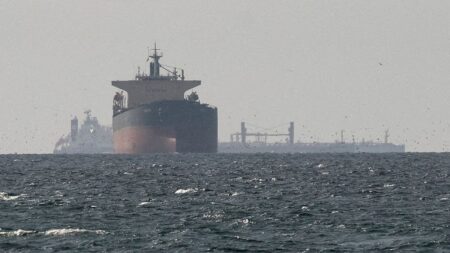
The most visible impact of the conflict has been on shipping routes, with suppliers forced to abandon traditional channels through volatile regions. Instead, many are now rerouting cargo ships on a massive 6,000-kilometer detour around Africa’s Cape of Good Hope. This alternative route adds approximately two weeks to delivery times and substantially increases transportation costs. The British Retail Consortium, which represents major UK retailers, has warned that these longer routes will likely have knock-on effects not just on prices but also on product availability in stores. Meanwhile, energy markets are showing signs of strain, with Brent crude oil prices recently spiking above $100 per barrel before retreating slightly. These interconnected challenges are creating a complex web of cost pressures that threaten to undermine recent progress in controlling inflation.
The Timeline: When Consumers Will Feel the Impact
According to Mills, shoppers shouldn’t expect to see immediate price changes at the checkout, but the impact will gradually become apparent over the coming weeks and months. This delay exists because most supermarket suppliers operate with forward planning, purchasing goods well in advance and often bulk-buying fuel to hedge against sudden price spikes. However, this buffer won’t last indefinitely. Fresh produce and perishable items will likely be affected first, as these goods are particularly sensitive to disruptions in air cargo capacity. The cancellation of approximately 10,000 passenger flights has significantly reduced available cargo space, since commercial airlines typically transport food and supplies in the belly of their aircraft alongside passengers.
Energy-intensive products will face their own challenges as elevated fuel costs work their way through production processes. Mills draws parallels to the aftermath of Russia’s invasion of Ukraine, when sustained high energy prices drove up manufacturing costs across multiple sectors. Andrew Opie, director of food and sustainability at the British Retail Consortium, emphasizes that energy represents a significant component of production costs, meaning sustained increases directly affect the final prices consumers pay. The concern isn’t just about temporary spikes but about whether these elevated prices will establish a “new normal” – a baseline level that doesn’t retreat even when the immediate crisis passes.
Insurance and Hidden Costs Adding to Price Pressures
Beyond the visible costs of fuel and transportation, hidden expenses are mounting rapidly, particularly in the insurance sector. War risk insurance premiums have skyrocketed dramatically, with Mills citing the example of a $100 million oil tanker whose insurance costs have jumped from $250,000 to $3 million per trip. These enormous increases reflect the genuine dangers faced by vessels navigating conflict zones or even regions adjacent to hostilities. Such dramatic cost escalations cannot simply be absorbed by shipping companies or suppliers – they must be passed along the supply chain, ultimately reaching consumers in the form of higher retail prices.
The reduction in air freight capacity represents another significant concern that often goes unnoticed by the general public. With thousands of commercial flights cancelled due to the conflict, the overall capacity for transporting goods by air has been substantially reduced. This particularly affects time-sensitive items like fresh flowers, certain fruits and vegetables, and specialized food products that rely on rapid transportation. Mills notes that while retailers and suppliers are experienced in managing various types of disruption, the combination of multiple simultaneous pressures – shipping delays, insurance costs, fuel prices, and reduced air capacity – creates an unusually challenging environment that tests even the most robust supply chain strategies.
The “Feather and Stone” Problem: Prices That Don’t Come Down
Perhaps the most worrying aspect of the current situation, according to trade experts, is not just that prices will rise but that they may never fully return to previous levels. Mills uses a vivid analogy that has become all too familiar to consumers since the COVID-19 pandemic: “They go up like a stone and come down like a feather.” This pattern, where prices spike rapidly during crises but decline slowly if at all during recovery periods, has been observed repeatedly in recent years. Consumers understandably ask whether temporary disruptions create permanent price increases that establish higher baseline costs for everyday goods.
This phenomenon is particularly concerning for household budgets already stretched by several years of above-target inflation. Even if the Iran conflict resolves relatively quickly, there’s no guarantee that the supply chain costs will immediately reverse. Companies may cite ongoing uncertainty, the need to rebuild reserves, or simple market conditions to justify maintaining elevated prices. The British Retail Consortium acknowledges these concerns while emphasizing that retailers are working to minimize customer impact. However, they also call for government intervention to keep other inflationary pressures under control, recognizing that retail businesses can only do so much to shield consumers from genuine cost increases driven by global events beyond anyone’s direct control.
British Farmers Caught in the Crossfire
The impact of the Iran conflict extends far beyond imported goods, directly affecting British farmers at one of the most critical times in the agricultural calendar. Spring planting season is typically when farmers are at their busiest, but many are now facing impossible decisions about whether to proceed with normal operations given the volatility in fertilizer and fuel costs. Tom Bradshaw, president of the National Farmers Union, describes the situation as reminiscent of the disruption caused by Russia’s invasion of Ukraine, when energy market volatility created massive inflationary pressure on farming inputs. The current crisis has actually led some suppliers to completely withdraw fertilizer and fuel prices from the market, leaving farmers unable to even obtain quotes, let alone make informed purchasing decisions.
The statistics are sobering: approximately 35% of key fertilizers, including urea and ammonia nitrate, normally transit through the Strait of Hormuz, which has been effectively closed by the conflict. Bradshaw describes the economics of crop production as “incredibly difficult” under current conditions, noting that farmers operate as “price takers” rather than price setters. Unlike retailers or manufacturers who might pass costs to customers, farmers selling commodities often cannot simply increase their prices. They depend on the entire supply chain working cooperatively to mitigate impacts. Livestock farmers face additional challenges following last year’s dry summer, which created fodder shortages. These farmers typically purchase fertilizers more frequently in smaller quantities, making them even more exposed to sudden market spikes. The National Farmers Union is now assessing whether conditions warrant government intervention to protect farmers from unsustainable cost increases that threaten their ability to continue producing food for the nation during this period of exceptional volatility.