
Howard Schultz’s Move to Florida: A Tale of Taxes, Transition, and New Beginnings
Leaving Seattle After Four Decades of Coffee and Community
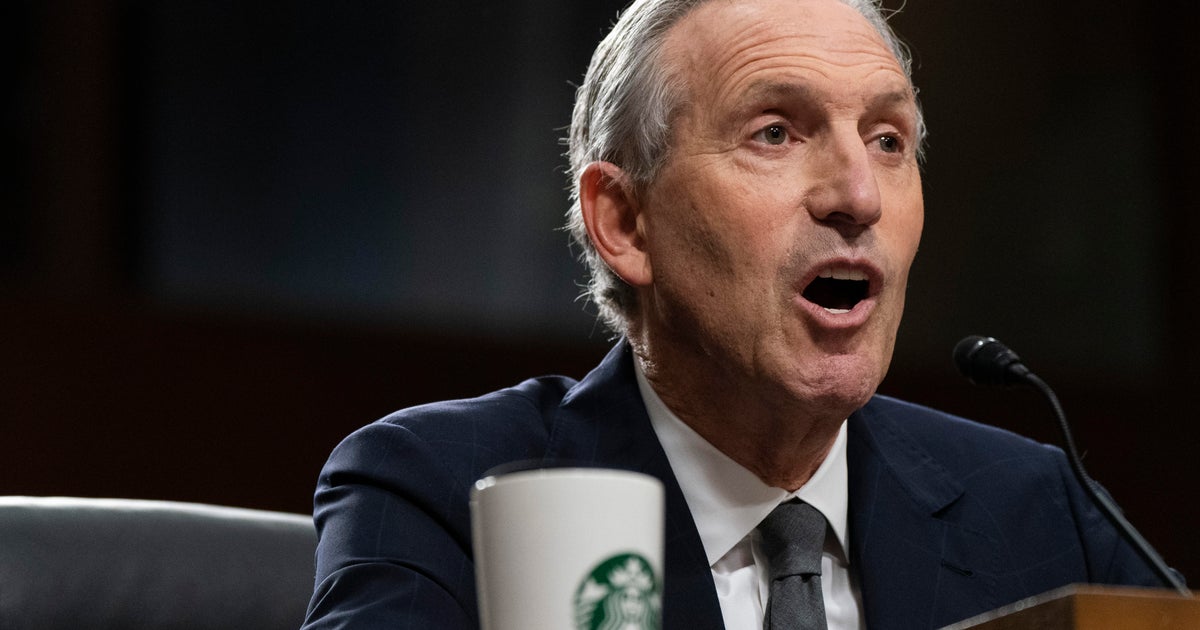
After spending more than forty years building one of the world’s most recognizable coffee empires in Seattle, Howard Schultz, the legendary former CEO of Starbucks, has announced a significant life change. In a heartfelt LinkedIn post published late on a Tuesday evening, Schultz shared that he and his wife are relocating to Miami, Florida, marking the end of an era that saw him transform a small Seattle coffee shop into a global phenomenon. The billionaire entrepreneur, whose personal fortune stands at approximately $6.6 billion according to the Bloomberg Billionaires Index, expressed gratitude for the decades spent in the Pacific Northwest city that became synonymous with his coffee brand. While he cited retirement and family considerations as primary reasons for the move, the timing has sparked considerable discussion, as it coincides with Washington state’s advancement of a controversial wealth tax that would significantly impact high earners like himself. Schultz’s departure from Seattle represents more than just a personal relocation—it symbolizes a broader conversation happening across America about taxation, wealth distribution, and whether affluent residents will stay put when faced with increasing tax burdens.
The Millionaire Tax That’s Stirring the Pot
Washington state lawmakers are currently pushing forward with what critics have dubbed a “millionaire tax”—a proposed measure that would impose nearly a 10% annual tax on personal earnings exceeding $1 million. This legislative initiative is making its way through the state’s political machinery, having recently been adopted by House lawmakers after an exhausting all-night session where representatives debated various amendments to the proposal. The measure has now returned to the state Senate, which had previously passed an earlier version, setting the stage for potential final approval. Governor Bob Ferguson, a Democrat who publicly endorsed the wealth tax back in December, has signaled his intention to sign the legislation into law if it reaches his desk before the legislative session concludes on Thursday. The governor argues that this tax would create a fairer taxation system in Washington state, addressing what many progressives see as an imbalanced tax structure that disproportionately affects middle and lower-income residents. The proposed revenue from this tax is earmarked for bridging the state’s budget shortfall while funding essential public services, including providing free meals to students in kindergarten through 12th grade. Interestingly, Washington is one of the few Democratic-controlled states that currently doesn’t tax wages or salaries, though it does impose levies on certain investment income—a unique position that this new legislation would significantly alter.
A Retirement Move to the Sunshine State
In his announcement, Schultz emphasized that his relocation to Florida represents the beginning of a new chapter as he and his wife enter retirement. The couple has chosen Miami as their destination, drawn by what Schultz described as “the sunshine of South Florida and its allure to our kids on the East Coast as they raise families of their own.” This family-oriented explanation presents the move as a natural progression for empty-nesters wanting to be closer to their children and grandchildren while enjoying warmer weather and a different lifestyle. Florida, notably, is one of just a handful of U.S. states that imposes no personal income tax—a fact that Schultz didn’t explicitly mention in his announcement but that certainly sweetens the deal for wealthy retirees. The businessman has reportedly purchased a luxurious penthouse at the Surf Club, Four Seasons Private Residences in Surfside, Florida, for approximately $44 million, according to the Wall Street Journal. This impressive property features five bedrooms, a central courtyard, and a rooftop terrace spread across 5,500 square feet of ocean-view living space—a far cry from the rainy Seattle climate Schultz has called home for decades. While maintaining that the Schultz Family Foundation will continue operating from Seattle, he noted that his private family office, the investment firm managing his family’s considerable wealth, is also located in Miami, suggesting the move has been in planning for some time.
The Great Wealth Migration Debate
Schultz’s departure from Seattle feeds into a larger national conversation about whether wealth taxes prompt high-net-worth individuals to relocate to more tax-friendly jurisdictions. This phenomenon, sometimes called “tax migration,” has become a hot-button issue as states grapple with budget challenges and growing calls for wealthy residents to contribute more to public coffers. California provides perhaps the most dramatic example of this debate, where a proposed ballot initiative would institute a one-time 5% tax specifically targeting the state’s estimated 255 billionaires. This proposal has generated fierce opposition, including from Governor Gavin Newsom himself, who has warned that such aggressive taxation could trigger an exodus of ultra-wealthy residents, ultimately reducing tax revenue rather than increasing it. The concern is that while taxing the rich sounds appealing politically and potentially lucrative fiscally, the mobility of wealthy individuals means they can simply pack up and move to states like Florida, Texas, Nevada, or Tennessee—all of which have no state income tax. This creates a competitive dynamic between states, where those with high taxes risk losing their wealthiest residents to jurisdictions offering more favorable financial environments. Policy experts remain divided on whether these fears are overblown or legitimate, with some pointing to research suggesting that most people don’t make relocation decisions based solely on tax considerations, while others argue that for the ultra-wealthy, tax savings running into millions of dollars annually provide compelling motivation to move.
What Schultz Didn’t Say—And Why It Matters
In his LinkedIn announcement, Schultz carefully avoided explicitly connecting his move to Washington state’s proposed millionaire tax, instead focusing on positive aspects like family, retirement, and new adventures. However, he did include a telling statement expressing hope that Washington “will remain a place for business and entrepreneurship to thrive, creating essential opportunity for those in Seattle and the surrounding areas.” This diplomatic phrasing can be read as a veiled critique of the tax policy, suggesting concern that such measures might discourage business creation and economic vitality in the state that helped make his fortune. Whether intentional or not, the timing of his announcement—coming as the wealth tax advances through the legislature—sends a powerful message to other wealthy Washington residents and business leaders contemplating their own futures in the state. For someone of Schultz’s stature and visibility, the decision to leave Seattle carries symbolic weight beyond his personal circumstances. It raises questions about whether Washington state and Seattle specifically, can maintain their appeal to entrepreneurs and wealthy individuals if taxation becomes significantly more burdensome. The fact that Schultz chose to express gratitude for his Seattle years while making this transition suggests a complex mixture of genuine affection for his former home and pragmatic considerations about his financial future.
The Legacy Left Behind and the Road Ahead
Despite his physical relocation, Schultz made clear that his connection to Seattle won’t be entirely severed. The Schultz Family Foundation, which focuses on various philanthropic initiatives, will continue to operate from Seattle, maintaining a presence and presumably continuing to contribute to the community where he built his empire. This arrangement allows Schultz to preserve some ties to the Pacific Northwest while establishing his primary residence in a more tax-advantageous location—a compromise that many wealthy individuals make when confronting similar decisions. As Washington state moves forward with its millionaire tax, Schultz’s departure may serve as either a cautionary tale or an isolated incident, depending on whether other high-net-worth individuals follow suit. The coming months and years will reveal whether the state can successfully implement this progressive tax policy without triggering the kind of wealthy exodus that opponents fear, or whether the revenue goals can be met even if some millionaires and billionaires choose to relocate. For Schultz himself, the move represents a transition from the city that became inseparable from his brand identity to a new environment where he can enjoy retirement surrounded by family. Whether future generations will remember this as a simple retirement move or as a statement about taxation and economic policy may depend largely on what happens next in Washington state and beyond.