
Fuel Retailers Face Financial Squeeze Amid Middle East Crisis
Industry Claims Losses as Wholesale Diesel Prices Surge
The fuel retail industry is facing unprecedented challenges following the recent escalation of conflict in the Middle East, with some operators reportedly losing money on every liter of diesel they sell. According to the Petrol Retailers’ Association (PRA), which represents the majority of fuel sellers across the country, the dramatic spike in wholesale prices has created a financial perfect storm. The problem stems largely from the way fuel purchasing contracts work in the industry. Many retailers operate under agreements that involve time lags of several days between when market prices change and when their own costs adjust. This means that when global oil prices suddenly skyrocketed last week, these retailers found themselves selling fuel they had already committed to buying at the old, lower prices, while simultaneously having to purchase new supplies at dramatically higher costs. The situation has been particularly acute for diesel, leaving many smaller independent operators in an especially vulnerable position as they struggle to balance keeping prices competitive for customers while avoiding unsustainable losses.
Government Criticism Meets Industry Pushback
The situation became more complicated when Chancellor Rachel Reeves issued a stark warning to the fuel sector on Tuesday, cautioning that retailers would not be allowed to get away with “price gouging” during the crisis. This comment sparked immediate pushback from industry representatives, who argue that the reality on the ground is far more complex than simple profiteering. Gordon Balmer, the executive director of the PRA, expressed surprise that the first he heard about an upcoming meeting involving the Chancellor, fuel retailers, and the Competition and Markets Authority (CMA) was through media reports. Balmer has been a consistent voice defending the industry against accusations of excessive profit-taking, maintaining that the UK fuel market operates fairly and that retailers are simply responding to genuine cost pressures. This tension between government oversight and industry operations highlights the delicate balance regulators face when trying to protect consumers without unfairly penalizing businesses dealing with legitimate supply chain challenges. The CMA has maintained its position since 2021 that the fuel industry has been delivering a poor deal to motorists at the pumps, creating an ongoing atmosphere of suspicion and scrutiny that has only intensified during the current crisis.
The Diesel Dilemma: UK’s Import Dependency Exposed
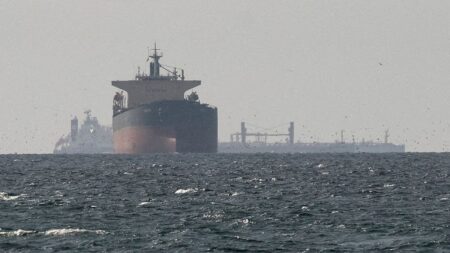
The current crisis has particularly highlighted the UK’s vulnerability when it comes to diesel supply. Unlike petrol, where domestic refining plays a more significant role, the vast majority of the country’s diesel is imported from international sources. This makes diesel prices in the UK especially sensitive to global market disruptions and geopolitical events. The scale of the wholesale price movement has been staggering, with prices rising by as much as 25 pence per liter at certain points during the peak of last week’s volatility. To put this in perspective, Balmer explained that approximately 20% of Europe’s diesel supply currently travels through the Strait of Hormuz, the crucial shipping lane that has been effectively closed to most tanker traffic due to the ongoing military conflict. This bottleneck has created immediate and severe supply constraints across the European market, pushing prices upward as buyers compete for limited available supplies from alternative sources. The situation demonstrates just how interconnected and fragile global energy supply chains have become, and how quickly regional conflicts can translate into price pressures thousands of miles away at local filling stations across Britain.
Hope for Relief Through Reserve Releases and Market Adjustments
Industry leaders are looking toward potential relief measures, particularly the expected announcement from the International Energy Agency regarding the release of strategic petroleum reserves. Balmer expressed cautious optimism that such a move could help fill some of the supply gap created by the closure of the Strait of Hormuz to normal shipping traffic. The release of reserves from member countries could provide a temporary cushion against the worst of the supply shortage, potentially taking some pressure off wholesale prices in the short term. However, Balmer was realistic about the limitations of such measures, acknowledging that only a full return to normal shipping flows through the Strait would allow fuel prices to return to their pre-conflict levels. Even in the best-case scenario, he admitted this process could take weeks to fully materialize. The complexity of restarting oil production facilities that may have been temporarily shut down, combined with the long delivery times required for tankers traveling from the Middle East to European markets, means that even if peace were to break out tomorrow, the supply chain effects would linger for some time. This timeline creates ongoing uncertainty for both retailers trying to plan their purchasing strategies and consumers wondering when they might see relief at the pumps.
Market Dynamics and Consumer Response
The current state of the fuel market has been characterized by intense activity and tight supply conditions across the country. Forecourts have remained busy as drivers respond to the rapidly changing price environment, with many rushing to fill up their tanks in an attempt to beat further price increases. This consumer behavior, while understandable, has actually contributed to the supply tightness by creating temporary demand spikes that strain an already stressed distribution system. The latest data from the RAC automotive services organization showed that average unleaded petrol prices had increased by another penny on Tuesday to reach 139 pence per liter, while diesel saw an even steeper rise of two pence to 155.1 pence per liter. Balmer noted that while wholesale costs for diesel had retreated somewhat from the extreme peaks witnessed earlier in the crisis, they remained approximately 18% higher than pre-conflict levels. He emphasized that it would take time for all forecourts to reflect any downward movements in wholesale prices, as the same contract lag issues that hurt retailers on the way up would now delay the pass-through of any cost reductions to consumers. The Competition and Markets Authority announced it was maintaining close surveillance of the fuel market and would publicly call out any operators suspected of exploiting the crisis through excessive pricing, though confirmation of any specific enforcement actions remained unavailable.
Economic Implications and Government Response
The broader economic implications of the fuel price crisis extend far beyond what individual motorists pay at the pump. Diesel serves as the workhorse fuel for the UK’s entire haulage and logistics industry, meaning that sustained high prices feed through into transportation costs across the economy, potentially driving up prices for all manner of goods and services. Chancellor Rachel Reeves, appearing before the Treasury select committee of MPs on Wednesday, acknowledged the serious economic challenges posed by the conflict, stating that disrupted trade flows are certainly not good for the British economy, especially given the region’s crucial role in global oil and gas supplies. However, she emphasized that the government’s primary focus must be on diplomatic efforts to de-escalate the conflict itself, rather than attempting to micromanage domestic fuel markets. In the meantime, the government has been promoting online fuel finder services as a tool for consumers to shop around for the best available prices in their local area, with Reeves highlighting such tools as a means of driving healthy competition among retailers. This approach reflects the government’s attempt to balance market-based solutions with regulatory oversight, though questions remain about whether such measures are sufficient during a genuine supply crisis. As the situation continues to evolve, the fuel retail industry, government regulators, and millions of British consumers all find themselves navigating uncertain waters, hoping for diplomatic breakthroughs while preparing for the possibility of extended disruption.