


Gas Prices Soar Above $4 as Iran Conflict Takes Its Toll on American Drivers
A Troubling Milestone for Motorists Across America
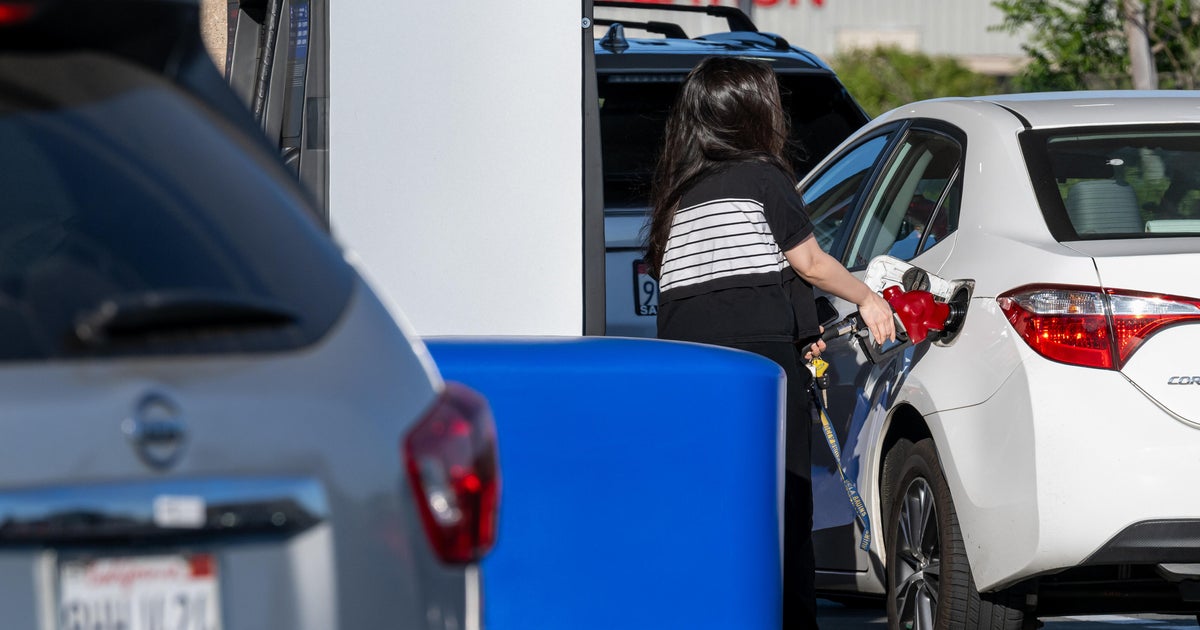
For the first time in over three years, American drivers are facing a painful reality at the pump: gasoline prices have climbed back above the dreaded $4 per gallon mark. According to AAA, the national average hit $4.018 per gallon on Tuesday, crossing a threshold that brings back uncomfortable memories for millions of motorists who remember the last time fuel costs reached these heights. This isn’t just a number on a sign—it represents real money coming out of the pockets of everyday Americans who depend on their vehicles to get to work, take their kids to school, and manage the daily responsibilities of life. The increase from Monday’s $3.990 might seem small, but it signals a troubling trend that has consumers, economists, and policymakers all watching nervously to see where prices will land in the coming weeks.
The last time Americans regularly saw prices above $4 was back in the summer of 2022, when Russia’s invasion of Ukraine sent shockwaves through global energy markets. During that crisis, prices briefly spiked above $5 per gallon in June 2022 before gradually declining. Since 2009, gasoline has only remained above the $4 threshold for 157 days total—all of them occurring in 2022. This historical context helps explain why the current situation feels so alarming to many Americans. Patrick De Haan, a petroleum expert at GasBuddy, captured the mood perfectly when he told CBS News, “It’s not the shock of $5, but motorists are really going to start to see those digits go up on the dollar price on the pump relatively quickly.” His words reflect what many are feeling: we’re not at the worst-case scenario yet, but we’re watching helplessly as prices climb steadily upward with no clear end in sight.
The Iran War’s Direct Impact on Your Wallet
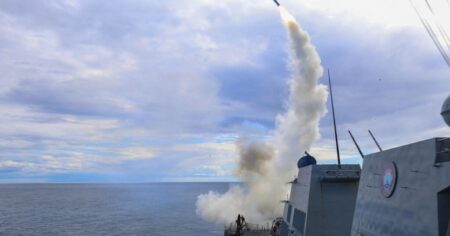
The driving force behind this surge in gas prices is unmistakably tied to escalating tensions in the Middle East. Since the United States and Israel launched attacks on Iran on February 28, gasoline prices have skyrocketed by more than a dollar per gallon in just one month’s time. This dramatic increase demonstrates how quickly global conflicts can translate into local economic pain for ordinary Americans. The Middle East remains a critical region for global oil production, and any instability there sends ripples through energy markets worldwide. When military action disrupts or threatens to disrupt oil supplies, traders react by bidding up prices, anticipating potential shortages or supply chain disruptions. These market reactions happen almost instantaneously, but the effects at your local gas station take a bit longer to materialize—and they’re certainly being felt now.
The uncertainty surrounding the conflict makes predicting future prices extremely difficult. President Trump has suggested that the war could end soon, and there are some potentially positive signs on the horizon. Pakistan has indicated it would be willing to host talks between the United States and Iran in the “coming days,” which could represent a diplomatic pathway toward de-escalation. However, these hopeful signals are complicated by simultaneous military preparations. The United States has expanded its special operations forces in the Middle East, and President Trump has renewed threats to strike Iranian power plants and other civilian infrastructure if a peace deal cannot be reached. The Trump administration reported presenting a 15-point peace proposal to Iran last week, but it remains unclear how Iran will respond or whether negotiations will gain meaningful traction. This backdrop of uncertainty—with peace talks on one hand and military threats on the other—keeps energy markets on edge and prices elevated.
Beyond Gasoline: The Ripple Effects Throughout the Economy
While drivers are understandably focused on gasoline prices, the economic consequences extend far beyond what we pay at the pump. Diesel fuel prices have also climbed significantly, reaching $5.454 per gallon on Tuesday, up from $5.416 the previous day. While many American households don’t directly purchase diesel, this fuel powers the backbone of our economy. Diesel engines run the trucks that deliver goods to stores, the trains that transport materials across the country, the boats that move cargo through waterways, and the heavy equipment used in farming and construction. When diesel prices rise, the cost of doing business increases for countless industries, and those increased costs don’t simply disappear—they eventually find their way to consumers through higher prices for goods and services.
Diane Swonk, chief economist at KPMG, recently explained to CBS News that as transportation costs increase due to higher energy prices, companies will eventually shift part of that burden onto customers. This process might not happen immediately, but it’s virtually inevitable. A trucking company paying more for diesel will eventually need to charge more for deliveries. A farm spending more on fuel for tractors and equipment will need higher prices for crops to maintain profitability. A construction company facing elevated diesel costs will build those expenses into project bids. The interconnected nature of our economy means that energy price increases in one sector gradually spread throughout the system, contributing to broader inflationary pressures that affect everything from groceries to home repairs to manufactured goods.
Americans Are Worried, and the Data Proves It
The psychological and economic impact of rising gas prices shouldn’t be underestimated. A CBS News poll released on March 22 revealed just how concerned Americans have become about these developments. The poll, which surveyed 3,335 U.S. adults between March 17 and 20, found that an overwhelming 90% of respondents expect the Iran war to drive up oil and gas prices in the short term. Perhaps even more troubling, 58% believe fuel costs are likely to increase over the long term, suggesting that many Americans don’t see this as a temporary spike but rather as a sustained shift in energy costs. This perception matters because it influences consumer behavior, business planning, and overall economic confidence.
The poll also revealed that Americans aren’t just reading about price increases in the news—they’re experiencing them directly in their daily lives. An striking 85% of respondents reported noticing higher gas prices in their local area. This near-universal experience of rising costs is driving heightened concerns about the broader economy. When people spend more on gasoline, they have less money available for other expenses, which can lead to reduced spending in other areas, potentially slowing economic growth. For families already stretched thin by years of inflation affecting groceries, housing, and other essentials, the additional burden of higher gas prices can feel overwhelming. The poll results paint a picture of an American public that is not only aware of current price increases but also anxious about what the future might hold.
Government Responses and Their Limitations
The Trump administration has recognized the political and economic urgency of addressing high energy prices and has taken several steps attempting to provide relief to American consumers. Among the measures implemented are releases of oil from the Strategic Petroleum Reserve, a stockpile specifically maintained for emergency situations that threaten energy supplies. The administration has also moved to relax certain government regulations that can increase the cost of petroleum products. These regulations, while often designed to protect the environment or ensure fuel quality, can add to production costs, and temporarily easing them represents an attempt to lower prices at the margin.
However, energy analysts speaking to CBS News have been clear-eyed about the limitations of these interventions. While releasing strategic reserves and adjusting regulations can have some effect on prices, these measures alone simply aren’t sufficient to fill the supply gap created by the Middle East conflict or to dramatically ease prices for American consumers. The fundamental problem is that global oil markets are vast and complex, influenced by production decisions made by major oil-producing nations, geopolitical events across multiple continents, and the investment decisions of energy companies. A U.S. president has only limited tools to influence these global dynamics in the short term. The releases from strategic reserves are finite and can’t continue indefinitely without depleting emergency supplies. Regulatory changes, while helpful at the margins, don’t address the core issue of supply disruptions or the risk premium that traders add to oil prices during periods of geopolitical instability.
Looking Ahead: Uncertainty at the Pump and Beyond
As Americans navigate this period of elevated gas prices, the path forward remains unclear. The interplay between diplomatic efforts and military posturing in the Middle East will likely determine whether prices stabilize, continue climbing, or eventually decline. If peace talks between the United States and Iran make genuine progress, markets could respond positively, potentially easing some of the upward pressure on oil and gasoline prices. However, if negotiations fail and military actions escalate, prices could climb even higher, potentially approaching or exceeding the $5 per gallon mark seen briefly in 2022.
For the average American, this uncertainty translates into difficult decisions about household budgets and daily life. Some may choose to drive less, consolidating trips or exploring carpooling options. Others might need to cut back on discretionary spending in other areas to accommodate higher fuel costs. Businesses, too, are making calculations about how to absorb increased energy costs without passing too much onto customers who are already feeling financial pressure. What’s clear is that the situation at the gas pump has become more than just an inconvenience—it’s a significant economic concern that touches nearly every aspect of American life, from family budgets to business planning to national economic policy. As we move forward, the hope is that diplomatic solutions can be found that not only end the conflict but also help restore stability to energy markets and provide relief to the millions of Americans watching those numbers climb every time they fill up their tanks.