
Understanding the Recent Surge in Gas Prices: What It Means for American Families
The Dramatic Overnight Price Jump
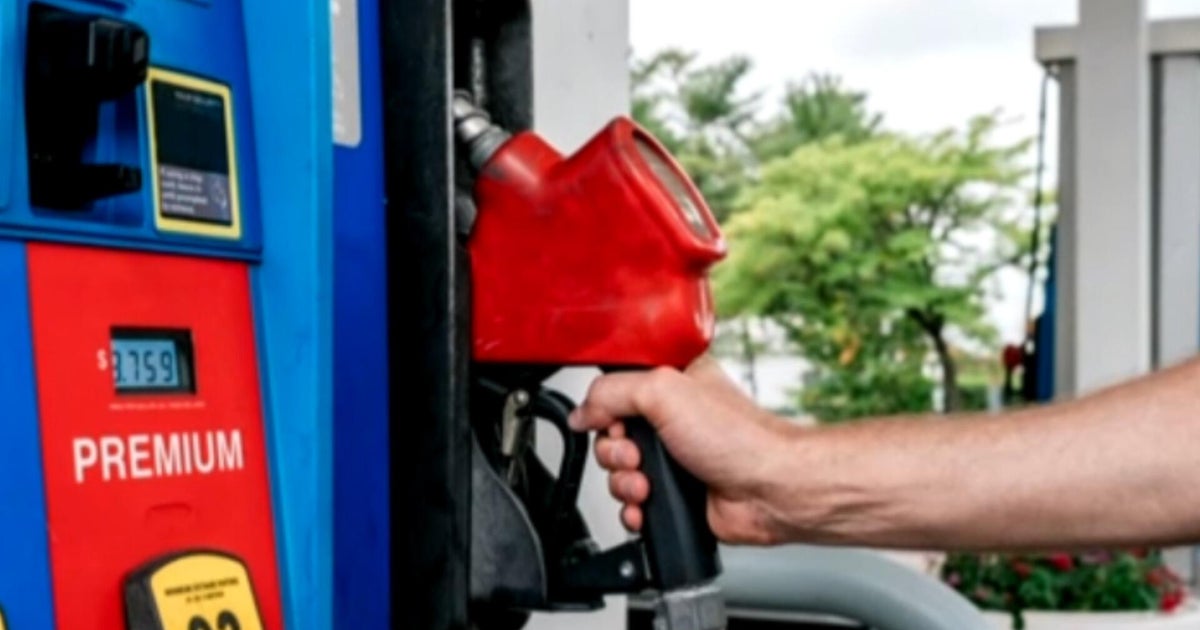
Americans woke up to an unwelcome surprise at the pump this week as gas prices skyrocketed by 11 cents overnight, bringing the national average to $3.11 per gallon according to AAA’s latest data. This sudden increase didn’t happen in isolation—it’s directly connected to the escalating military conflict involving Iran and its impact on global oil markets. For context, the last time we saw prices at this level was back on December 1st of last year, making this a three-month high that has caught many households off guard. What makes this situation particularly concerning for everyday Americans is that experts are warning this might just be the beginning. Patrick De Haan, a petroleum analyst with Gasbuddy, has issued a sobering prediction: we could see prices jump by as much as 30 cents per gallon before the week is over. That would push the average well above $3.40 per gallon in many areas, a significant hit to family budgets that are already stretched thin by other rising costs. The culprit behind these price spikes is the disruption to oil shipments through the Strait of Hormuz, a narrow waterway that serves as a critical chokepoint for global energy markets. This strategic passage, which connects to the Persian Gulf, handles an astounding 20% of the world’s oil supply, making it one of the most important shipping lanes on the planet.
The Ripple Effect Through Energy Markets
The impact of the geopolitical tensions isn’t limited to just gasoline—it’s sending shockwaves throughout the entire energy sector. International oil benchmarks are climbing at rates that have analysts and traders on high alert. Brent crude, which serves as the international pricing standard, jumped by $4.72 (a 6.2% increase) to reach $80.83 per barrel on Tuesday alone. The situation is even more dramatic for the U.S. benchmark crude oil, which surged by $6.22—an 8.8% single-day increase—to hit $77.45 a barrel according to data from FactSet. These aren’t just abstract numbers on a trading screen; they directly translate to what you’ll pay at the pump within days. The energy market volatility didn’t stop with oil either. Natural gas prices are also experiencing significant upward pressure, which means the pain could extend beyond just filling up your car. European natural gas futures (measured by the Dutch TFF benchmark) exploded by 39% on Monday, while the Henry Hub Natural Gas Futures, which sets the standard for U.S. natural gas pricing, climbed 5.4% on Tuesday. For American households, this could mean higher bills for heating homes and electricity costs in the coming weeks and months, adding another layer of financial stress to already tight budgets.
Why This Matters for Your Household Budget
Economists at Capital Economics have described the rising gas prices as a direct “blow to households’ real purchasing power,” and it’s not hard to understand why. When you’re spending more money at the pump, that’s money that can’t go toward groceries, savings, entertainment, or paying down debt. The average American driver uses about 500 gallons of gas per year, so even a 30-cent increase represents an additional $150 annually—and that’s if prices stabilize at that level. However, there’s a silver lining in the analysis from Capital Economics. They note that much depends on how long these elevated prices persist. If oil prices hover around $80 per barrel for only a brief period, the overall economic impact would be relatively contained, contributing about 0.4 percentage points to headline inflation during that time. In other words, if this situation resolves relatively quickly, we might see prices return to more normal levels without causing lasting damage to the broader economy. The problem is that nobody can predict with certainty how the geopolitical situation will unfold or how long these disruptions will continue. To put the recent increases in perspective, gas prices had already been climbing this year even before this week’s dramatic jump. At the start of January, the national average was roughly 20 cents lower than Monday’s price of about $3 per gallon. That means in just a few weeks, drivers have seen a cumulative increase of more than 30 cents per gallon, representing a roughly 10% increase in what it costs to fuel up.
The Strategic Vulnerability of Global Energy Supply
The current crisis highlights just how vulnerable global energy markets are to disruptions in key geographic locations. The Strait of Hormuz has long been recognized as one of the world’s most critical energy chokepoints, but the theoretical risks have now become very real. When a single waterway handles one-fifth of the world’s oil supply, any threat to the free flow of shipping through that area immediately affects prices at gas stations from California to Maine. The situation became even more complicated when Qatar shut down liquefied natural gas (LNG) production at its massive Ras Laffan plant following drone attacks, according to reports from Bloomberg News. This facility alone produces approximately 20% of the world’s LNG supply, making its closure a significant event in global energy markets. Gregory Daco, chief economist at EY-Parthenon, explained the particular vulnerability: “On the gas side, the vast majority of LNG transiting Hormuz originates from Qatar, with smaller volumes from the UAE. Any attack on liquefaction or export infrastructure would therefore have a materially larger impact than a shipping disruption alone, as it would directly remove supply from the global LNG market.” This infrastructure is incredibly difficult to replace or work around in the short term, making the supply disruptions particularly impactful.
Why Natural Gas Markets Are Even More Fragile
What many Americans might not realize is that natural gas markets are actually more vulnerable to disruptions than oil markets, even though we hear less about them in daily news coverage. As Daco points out, “LNG markets are structurally less resilient than oil markets: they lack strategic reserves, operate with limited spare liquefaction capacity, and rely on regional and seasonal storage buffers.” In plain English, this means that when natural gas supplies are disrupted, there are fewer backup options available compared to oil. With oil, countries maintain strategic petroleum reserves—massive underground storage facilities filled with millions of barrels of crude oil that can be released during emergencies to stabilize markets. The United States has such a reserve, as do many other nations. But no such equivalent exists for natural gas on the same scale. Additionally, you can’t just quickly ramp up natural gas production the way you might increase oil pumping—the liquefaction infrastructure (the facilities that cool natural gas into liquid form for shipping) operates near capacity under normal circumstances, with very little spare capacity to compensate for lost production elsewhere. This structural vulnerability means that if the Qatar facility remains offline for an extended period, or if other LNG infrastructure in the region is targeted, we could see even more dramatic price increases for natural gas. For American consumers, this would most directly affect those who heat their homes with natural gas and everyone who relies on natural gas-fired power plants for electricity—which is a substantial portion of the country.
What Comes Next and How to Prepare
Looking ahead, the big question on everyone’s mind is how long these elevated prices will persist and whether they’ll continue climbing. Unfortunately, the answer depends largely on factors beyond anyone’s control—namely, how the military situation develops and whether shipping through the Strait of Hormuz can return to normal operations. In the meantime, there are some practical steps households can take to minimize the impact. If possible, consolidating trips and reducing unnecessary driving can help limit your exposure to high gas prices. Carpooling, using public transportation when available, or even temporarily adjusting your schedule to reduce commuting frequency can all make a meaningful difference. For those with flexibility in their budgets, this might be a good time to review your energy usage at home as well, since natural gas and electricity costs may also be heading higher. On the broader economic front, analysts will be watching closely to see whether these price increases start affecting consumer spending in other areas. When households have to allocate more money to essential expenses like fuel and heating, they typically cut back on discretionary spending—eating out less, postponing major purchases, or reducing entertainment expenses. If sustained over several months, this behavioral shift can slow economic growth and potentially affect employment in sectors sensitive to consumer spending. The Federal Reserve will also be paying close attention to how long these energy price increases last, as they factor into inflation calculations and could influence decisions about interest rates. For now, the situation remains fluid and somewhat unpredictable. What we know for certain is that American households are facing higher costs at the pump and potentially higher home energy bills in the near term, with the ultimate duration and severity depending on how quickly stability returns to one of the world’s most strategically important regions.