
American Drivers Face Potential Gas Price Surge Following U.S.-Israel Attacks on Iran
Sharp Increases Expected at the Pump This Week
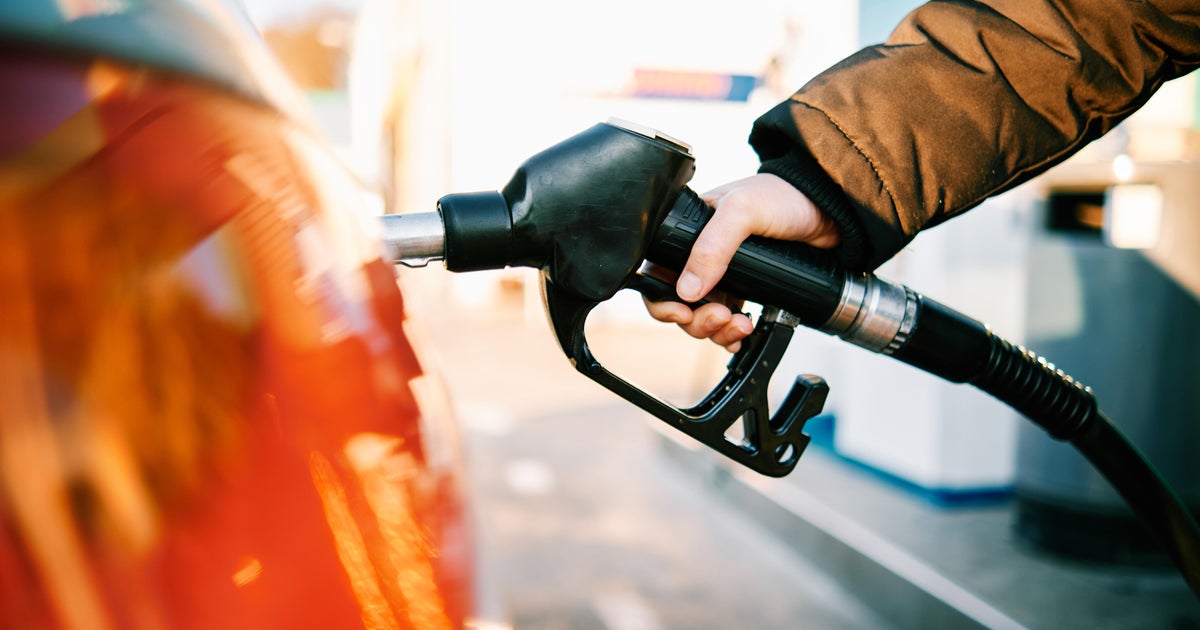
American families may need to tighten their budgets even further as gas prices are predicted to climb sharply in the coming days. The recent military strikes by U.S. and Israeli forces against Iran have sent shockwaves through global oil markets, triggering significant price jumps that analysts warn will soon hit consumers at gas stations across the country. On Monday, West Texas Intermediate crude—the primary type of oil produced domestically—saw prices leap by 6.2%, reaching $71.19 per barrel. Meanwhile, the international standard, Brent crude, experienced an even more dramatic surge of nearly 9%, hitting $79.31 per barrel, marking its highest price point in over a year. According to Patrick De Haan, a petroleum analyst with GasBuddy, the impact on everyday drivers could be immediate and substantial. He predicts that by week’s end, some gas stations may be charging up to 30 cents more per gallon than they were at the start of the week. This rapid increase represents a significant jump that will affect millions of Americans who depend on their vehicles for work, school runs, and daily errands.
Gradual but Widespread Price Increases Already Underway
The price hikes aren’t just theoretical projections for the future—they’re already happening in real-time across various parts of the United States. As of Monday, gas prices were averaging around $3 per gallon nationwide, which already represents an increase of about 20 cents compared to early January prices, according to data compiled by AAA. De Haan has advised motorists to “prepare for gradual increases this week,” noting that the changes won’t happen all at once but will roll out progressively across different regions and stations. He specifically pointed out that “low-priced stations will likely move first and more visibly,” meaning those budget-friendly gas stations that many drivers seek out might be among the first to raise their prices to reflect the increased cost of crude oil. By Monday, states including Illinois, Indiana, Michigan, Ohio, and Texas were already reporting noticeable price increases at their pumps. This geographic spread suggests that the price surge isn’t confined to any single region but represents a nationwide trend that will affect Americans from coast to coast. The timing of these increases couldn’t be worse for many households who are already struggling with the broader affordability crisis that has characterized the past few years.
Adding Pressure to Already Stretched Household Budgets
For millions of American families, the prospect of paying significantly more for gasoline adds yet another financial burden to budgets that are already strained to the breaking point. The affordability crisis has touched nearly every aspect of daily life, with consumers expressing growing concerns about rising costs for essentials like food, healthcare, and housing. While gas prices had been one of the few bright spots for household budgets—offering some relief even as other costs climbed—that silver lining now appears to be tarnishing. Although current fuel prices remain more than 7% lower than they were a year ago according to recent inflation data, that advantage is quickly eroding. The projected 30-cent increase per gallon represents a significant percentage jump that will be felt acutely by working families, especially those who commute long distances for work or live in areas without robust public transportation options. For a typical family that fills up a 15-gallon tank once a week, a 30-cent increase translates to an additional $4.50 per fill-up, or roughly $234 more per year. While that might not sound overwhelming to higher-income households, for families living paycheck to paycheck or those already cutting back on necessities to make ends meet, every dollar counts. The psychological impact of watching gas prices climb can also affect consumer confidence and spending patterns across the economy.
Venezuelan Oil Imports May Provide Some Relief
Amid the concerning news about rising prices, there is at least one potential source of relief on the horizon: increased oil imports from Venezuela. Energy Secretary Chris Wright told CBS News that tankers loaded with Venezuelan crude are now arriving at U.S. shores, which could help ease some of the pressure on domestic fuel prices. This development follows the January capture of former Venezuelan president Nicolás Maduro by U.S. forces, after which President Trump announced plans for the United States to export between 30 million and 50 million barrels of Venezuelan oil in partnership with American energy companies. According to Wright, the impact of these imports won’t be immediate but should become more noticeable as March progresses. “Oil is just starting to come now because these refiners buy their oil a month or so ahead, so as it gets into March, you’ll see a lot of Venezuelan crude arriving from what’s called the March runs,” Wright explained. He was optimistic about the potential impact, stating unequivocally that “more Venezuelan crude coming into the United States and flowing out of Venezuela helps keep gasoline and diesel prices down.” This influx of additional supply could help offset some of the price pressures created by geopolitical tensions in the Middle East, though the extent of the relief will depend on how much Venezuelan oil actually reaches the market and how sustained the flow becomes over time. For now, however, the Venezuelan supply represents more of a medium-term hope than an immediate solution to the price spike drivers are experiencing this week.
Broader Economic Implications Beyond the Gas Pump
The surge in oil prices carries implications that extend far beyond what drivers pay at the pump, potentially affecting the broader economy and the cost of virtually everything Americans buy. Oil prices serve as a foundational element of the modern economy, underpinning costs across multiple sectors including transportation, manufacturing, and logistics. When crude oil prices spike, those increases ripple outward through the entire economic system. Nigel Green, CEO of the investment advisory firm De Vere Group, explained this dynamic clearly: “Even if core measures exclude food and fuel, sustained oil increases tend to bleed into transportation, logistics, manufacturing input costs and, ultimately, consumer prices.” He emphasized that “oil does not operate in isolation,” noting that higher oil prices translate directly into higher freight costs for trucking companies, increased fuel bills for airlines, and elevated distribution expenses for retailers. Companies facing these higher costs must then make difficult decisions—either absorb the costs and accept thinner profit margins, or pass the costs along to consumers through higher prices. In most cases, Green notes, “often both” happens to some degree. This means that even consumers who drive very little or not at all may still feel the impact of rising oil prices through increases in the cost of groceries, online purchases, airline tickets, and virtually any product that needs to be transported from manufacturer to consumer.
Potential Impact on Inflation and Federal Reserve Policy
Perhaps most significantly from a macroeconomic perspective, the spike in oil prices could derail the encouraging progress that has been made recently in bringing inflation under control. After months of stubbornly high inflation, the Consumer Price Index in January finally fell to its lowest level in nine months, offering hope that the worst of the inflation crisis might be behind us. However, a sustained increase in oil prices could quickly reverse that progress, potentially forcing the Federal Reserve to reconsider its plans for interest rate policy. Adam Hetts, global head of multi-asset at Janus Henderson, suggested in a recent email that an uptick in inflation driven by higher oil prices could lead the Fed to delay any moves to lower interest rates. Currently, the Federal Reserve is expected to maintain its benchmark interest rate at its next meeting scheduled for March 18, but economists had been predicting that the central bank might implement a fresh rate cut by mid-year, possibly at its June meeting, according to data from FactSet. If oil prices remain elevated and begin feeding into broader inflation measures, however, those rate cut predictions may need to be revised. Higher interest rates for a longer period would mean continued elevated costs for mortgages, car loans, credit cards, and business borrowing, further straining household budgets and potentially slowing economic growth. The interconnected nature of these economic factors means that the geopolitical tensions that sparked the initial oil price surge could end up affecting American households in multiple ways—not just through higher gas prices, but through a broader economic environment that remains challenging for consumers and policymakers alike.