
Rising Gas Prices: How the Iran Conflict Is Hitting American Wallets
A Sharp Increase at the Pump
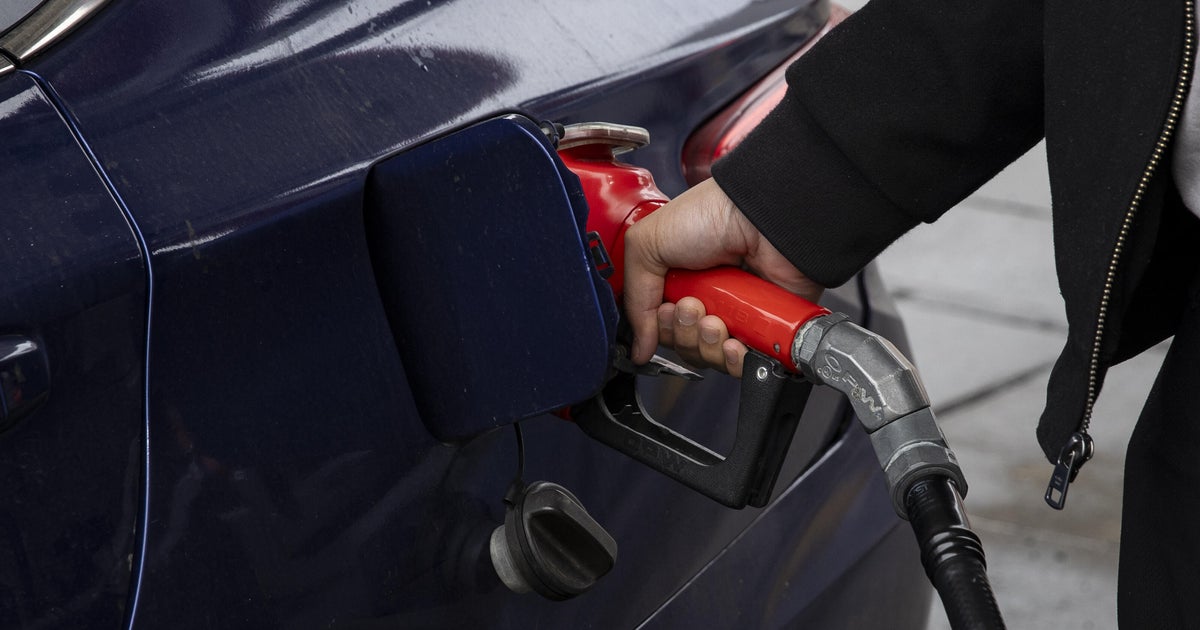
American drivers are feeling the pinch at gas stations across the country as fuel prices climb to levels not seen in nearly a year. According to recent data from GasBuddy, consumers are now paying approximately 26 cents more per gallon compared to just a week ago. As of Thursday morning, the average price for a gallon of gasoline reached $3.246, marking the highest point since April of last year. Patrick De Haan, a petroleum analyst at GasBuddy, described this increase as an “unusually strong weekly climb,” indicating that the speed of this price surge is outside normal fluctuations. The American Automobile Association (AAA) has corroborated these findings, with their data showing similar price levels across the nation. The impact extends beyond regular gasoline, as diesel fuel users are facing even steeper increases, with prices jumping 40 cents over the same seven-day period. This rapid escalation is causing concern among consumers and industry watchers alike, as it threatens to impact household budgets and potentially slow economic activity.
The Rollercoaster of Recent Gas Price Trends
The current spike in fuel costs comes after a period of relative relief for American consumers. Throughout the latter months of last year, gas prices had been steadily declining, eventually dipping below the psychologically important $3 per gallon threshold in December. This downward trend provided some breathing room for families and businesses dealing with transportation costs. However, this respite proved short-lived as geopolitical tensions began to escalate in early 2025. The intensifying conflict between the United States and Iran has reversed the favorable pricing trend, sending costs climbing once again. De Haan explained to CBS News that oil prices have been gradually increasing based on the mere possibility of military attacks in the region, but the actual attacks themselves represent a significant escalation that has accelerated the upward price movement. Looking ahead, De Haan anticipates that gasoline prices will continue their upward trajectory, potentially adding another 10 to 15 cents per gallon over the coming week before the rate of increase begins to moderate. For diesel users, the outlook is even more challenging, as tighter inventory levels mean these prices may take longer to stabilize. In fact, diesel prices have reached $4.124 per gallon this week, the highest level recorded since December 2023, placing additional strain on trucking companies and anyone who relies on diesel-powered vehicles.
Understanding the Supply Chain Disruption
The fundamental cause of these price increases lies in the disruption to global oil supply chains resulting from the ongoing Iran conflict. The situation has created a perfect storm of supply constraints that are reverberating through international energy markets. Most significantly, shipments through the Strait of Hormuz, one of the world’s most critical oil transit chokepoints, have effectively stalled. This narrow waterway normally serves as a vital artery for global oil transportation, and its disruption has immediate and far-reaching consequences. Additionally, retaliatory attacks throughout the Middle East region have damaged oil production facilities, further reducing the amount of crude oil available to global markets. According to De Haan’s analysis, the United States is currently losing access to approximately 20 million barrels of oil supply per day as shipping through the Strait of Hormuz slows to a trickle. To put this in perspective, this represents a massive portion of global oil movement, and De Haan bluntly stated that “nothing can replace that” volume of oil. The scale of this disruption is unprecedented in recent years, and no alternative shipping routes or production sources can quickly compensate for such a significant loss. In response to this crisis, President Trump has taken action by directing the U.S. International Development Finance Corporation to provide insurance for ships willing to sail through the Persian Gulf, hoping to minimize further disruption to oil shipments and encourage continued transportation despite the dangerous conditions.
Global Oil Markets React to Instability
The international oil markets have responded predictably to these supply constraints, with prices climbing across all major benchmarks. Brent crude oil, which serves as the international pricing standard and is used to price two-thirds of the world’s oil supplies, increased by $3.03 per barrel, representing a 3.7% jump to reach $84.42 per barrel on Thursday morning. Meanwhile, the benchmark U.S. crude oil price saw an even more dramatic increase, rising $4.03 per barrel or 5.4%, to settle at $78.70 per barrel according to data from FactSet. These increases in crude oil prices directly translate to higher costs at the pump for consumers, as refiners pay more for their raw materials and pass those costs along through the supply chain. The volatility in oil markets reflects traders’ concerns about the continuation and potential escalation of the conflict, as well as uncertainty about when normal shipping patterns might resume through affected regions.
Diesel Prices Face Additional Pressures
While gasoline prices are certainly climbing, diesel fuel consumers are facing an even more challenging situation due to several compounding factors. Beyond the general supply disruptions affecting all petroleum products, diesel is experiencing unique pressures that are driving prices higher and keeping them elevated. De Haan specifically pointed to drone attacks on a Saudi refinery earlier this week as one factor affecting diesel production capacity. These attacks damaged refining infrastructure that processes crude oil into finished products like diesel, reducing the available supply. Additionally, Qatar’s decision to shut down its natural gas production has had ripple effects on diesel markets. QatarEnergy, the country’s state-owned oil company, halted its liquefied natural gas (LNG) production on Monday, a move that immediately caused gas prices to spike in both European and Asian markets. While LNG is different from diesel, the two energy markets are interconnected, and disruptions in one can affect the other. The combination of reduced refining capacity, tighter diesel inventories, and broader energy market instability means that diesel prices are likely to remain elevated even as gasoline prices potentially begin to stabilize in the coming weeks. This is particularly concerning for the transportation and logistics industries, which rely heavily on diesel fuel and may need to pass increased costs on to consumers through higher prices for goods and services.
Seasonal Factors Compound the Problem
While the Iran conflict is undoubtedly the primary driver of current fuel price increases, it’s not the only factor at play. De Haan noted that seasonal patterns are contributing an additional 10% to 15% to the overall price increases Americans are experiencing. This seasonal effect is a normal part of the annual fuel price cycle that occurs every spring. As De Haan explained, “We see gas prices go up every spring” due to increasing demand as warmer weather arrives. During spring months, more Americans begin taking road trips, outdoor activities increase, and overall driving patterns shift in ways that boost fuel consumption. Additionally, refineries typically switch from producing winter-blend gasoline to summer-blend formulations during this time of year, a process that can temporarily reduce supply and increase costs. The summer-blend gasoline required by environmental regulations to reduce smog during warmer months is more expensive to produce, and this cost is reflected in pump prices. In a typical year, these seasonal factors cause modest price increases that consumers have come to expect. However, when combined with the extraordinary supply disruptions caused by the Iran conflict, the seasonal factors are amplifying an already challenging situation. This confluence of geopolitical crisis and normal seasonal patterns means that consumers are experiencing price increases that are both larger and happening more rapidly than would occur from either factor alone. For families planning summer vacations or businesses budgeting for transportation costs, these combined pressures represent a significant financial challenge that may require adjusting plans or finding ways to reduce fuel consumption.