

The Trump Memecoin Controversy: How Presidential Crypto Could Derail Industry Reform
The Launch That Shocked the Crypto World
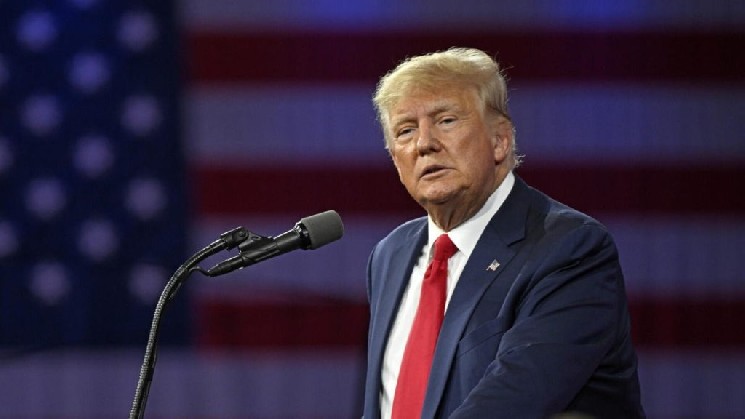
In an unprecedented move that caught both supporters and critics off guard, former President Donald Trump launched his own cryptocurrency just days before officially returning to the White House. The digital asset, officially branded as Official Trump ($TRUMP), experienced an explosive debut that saw its value skyrocket to over $60 per token shortly after release. What might have been celebrated as a bold entrepreneurial venture quickly became one of the most contentious topics in the cryptocurrency space, sparking heated debates about ethics, conflicts of interest, and the future of digital currency regulation in America. The timing of the launch, positioned strategically at the threshold of Trump’s return to presidential power, raised immediate red flags among industry observers, regulators, and political commentators who questioned whether a sitting president should be promoting a financial product that could directly benefit him personally. This wasn’t just another celebrity memecoin trying to capitalize on fame—this was a cryptocurrency bearing the name and brand of the person who would soon hold the highest office in the United States, making the ethical implications far more serious than any previous celebrity crypto venture.
Simon Dedic’s Scathing Assessment
Among the chorus of critics, one voice has emerged with particularly sharp analysis: Simon Dedic, the founder of Moonrock Capital, a prominent cryptocurrency and blockchain venture capital firm. Dedic didn’t mince words when he characterized the Trump memecoin as “the biggest obstacle to cryptocurrency regulation” in America today. Speaking through his social media platform X (formerly Twitter), Dedic laid out a compelling argument that the presidential cryptocurrency isn’t just ethically questionable—it’s actively sabotaging the legislative progress that the entire cryptocurrency industry desperately needs. According to Dedic’s assessment, the Trump memecoin has become a political lightning rod that is directly interfering with the passage of crucial cryptocurrency legislation, specifically the Clarity Act that many in the industry have been eagerly awaiting. His critique goes beyond mere disapproval; Dedic presents a concrete case that Trump’s personal financial venture is creating tangible legislative roadblocks that could set back the maturation of the cryptocurrency industry by months or even years, potentially causing the United States to fall behind other nations in establishing a functional regulatory framework for digital assets.
The Legislative Logjam and Political Weaponization
The heart of Dedic’s concern centers on how the Trump memecoin has become a political weapon that opponents are using to delay or derail important cryptocurrency legislation. The Clarity Act, which has been championed by industry advocates as essential legislation to provide clear regulatory guidelines for cryptocurrencies, has reportedly been stalled in Congress partly due to controversies surrounding Trump’s personal token. According to Dedic’s analysis, Democratic lawmakers have seized upon the Trump memecoin as justification for demanding additional ethical clauses and provisions be added to cryptocurrency legislation. These demands for enhanced ethical safeguards, while perhaps reasonable in principle, threaten to bog down the legislative process in partisan conflict and procedural complications. The danger, as Dedic sees it, is that these ethical concerns could be used not just to improve legislation but to completely halt or even repeal laws that would benefit the broader cryptocurrency ecosystem. What was supposed to be bipartisan legislation aimed at providing regulatory clarity has now become entangled in the political controversies surrounding a sitting president’s personal financial interests, transforming a technical regulatory matter into a partisan battleground that serves no one’s interests except perhaps those who oppose cryptocurrency regulation altogether.
A President Too Focused on Personal Profit?
Perhaps the most damning aspect of Dedic’s critique is his assertion that President Trump, who has publicly positioned himself as “crypto-friendly” and a champion of the digital asset industry, is actually undermining the sector through his focus on personal enrichment. The accusation that Trump is “too focused on lining his own pockets” strikes at the heart of the credibility problem facing cryptocurrency regulation under his administration. If the president is perceived as using his office to promote a financial product from which he personally profits, it becomes nearly impossible to establish cryptocurrency regulations that will be seen as fair, impartial, and designed to serve the public interest rather than private gain. This creates a fundamental contradiction: Trump’s supporters in the cryptocurrency world backed him partly because of his promises to create a favorable regulatory environment for digital assets, yet his personal involvement in a memecoin may be the very thing preventing that regulatory clarity from materializing. The irony is profound—the president who was supposed to usher in a golden age of cryptocurrency acceptance and regulation may instead be remembered as the person who set the industry back through self-interested actions that poisoned the well of regulatory reform.
The Industry’s Complicity and Silence
Beyond criticizing Trump himself, Dedic reserves considerable disappointment for the cryptocurrency industry’s response—or rather, its lack of meaningful response—to this ethical crisis. Instead of distancing themselves from the controversial presidential memecoin or speaking out against the obvious conflicts of interest it represents, many influential figures in the crypto sector have done the opposite. Dedic specifically points to the troubling image of cryptocurrency industry leaders attending exclusive dinners organized for Trump coin holders, events that appear designed to curry favor with the president rather than to advance the interests of the broader digital asset ecosystem. This behavior, in Dedic’s view, represents a failure of moral courage and strategic thinking within an industry that should be fighting for its long-term legitimacy rather than seeking short-term access to political power. The cryptocurrency sector has long struggled with reputation problems, facing criticism for scams, fraud, and a Wild West mentality that prioritizes quick profits over sustainable development. By failing to call out the Trump memecoin controversy, industry leaders are reinforcing these negative stereotypes rather than demonstrating that the sector has matured into a responsible financial ecosystem deserving of thoughtful regulation. Dedic’s critique suggests that the industry’s silence isn’t merely disappointing—it’s actively harmful, allowing a problematic situation to fester when clear, principled voices could potentially make a difference.
The Path Forward and Industry Accountability
Dedic’s final observation—that “nothing would change unless someone spoke up”—serves as both a warning and a call to action for the cryptocurrency industry. The implication is clear: if respected voices within the sector don’t start demanding better ethical standards and calling out conflicts of interest regardless of who is involved, the industry will remain stuck in a state of regulatory limbo that serves no one’s long-term interests. The cryptocurrency sector stands at a critical juncture where it could either mature into a legitimate, well-regulated component of the global financial system or remain relegated to the margins as a speculative playground prone to manipulation and ethical compromises. The Trump memecoin controversy represents a test case for whether the industry has the institutional integrity to police itself and demand high standards from everyone, including powerful political figures who claim to be allies. While Dedic’s criticism has been directed primarily at the Trump situation, the underlying message applies more broadly: the cryptocurrency industry needs to develop stronger ethical frameworks, more vocal advocacy for principled regulation, and a willingness to speak uncomfortable truths even when doing so might jeopardize short-term political access. The alternative—continued silence in the face of obvious conflicts of interest—risks confirming the worst suspicions of cryptocurrency skeptics and ensuring that meaningful regulatory clarity remains perpetually out of reach. As the industry continues to evolve and seek mainstream acceptance, moments like these will define whether cryptocurrencies become a respected part of the financial landscape or remain associated with ethical shortcuts and self-dealing. The Trump memecoin may eventually fade from headlines, but the questions it raises about integrity, regulation, and industry accountability will continue to shape cryptocurrency’s future for years to come.
This analysis represents informed commentary on current cryptocurrency industry dynamics and should not be construed as investment advice. Readers should conduct their own research and consult financial professionals before making any investment decisions related to cryptocurrencies or any other financial instruments.