

Justice Department Defends Indictment of Former FBI Director James Comey Over Social Media Post
Acting AG Denies Presidential Interference in Comey Case
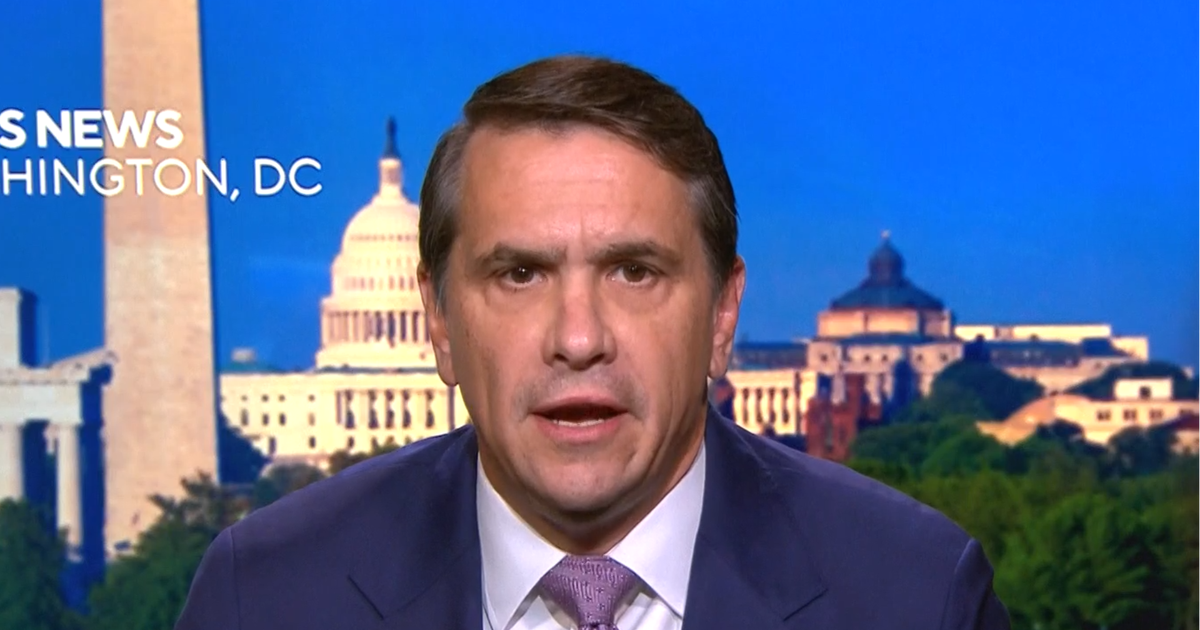
In a highly controversial move that has sparked nationwide debate about free speech and political prosecution, Acting Attorney General Todd Blanche appeared on CBS Mornings Wednesday to vigorously defend the Justice Department’s recent indictment of former FBI Director James Comey. The charges stem from an Instagram post that authorities claim constituted a threat against President Trump. When directly questioned whether the President had any hand in directing the prosecution, Blanche was emphatic in his denial: “Of course not, absolutely, positively not.” He emphasized that this case resulted from an independent investigation spanning nearly a year, culminating in a grand jury’s decision to return an indictment. According to Blanche, this prosecution represents the proper functioning of the justice system rather than any form of political retribution, despite widespread skepticism from legal experts and civil liberties advocates who see troubling parallels to authoritarian tactics of using law enforcement against political opponents.
The Seashells That Sparked a Federal Case
The incident at the heart of this legal firestorm involves a seemingly innocuous photograph that Comey posted to his Instagram account in May 2025. The image depicted seashells arranged to spell out “86 47” on a beach. To many observers, this appeared to be a cryptic political statement, with “47” referring to Trump as the 47th president and “86” being restaurant slang for getting rid of something. However, prosecutors have interpreted the post through a much darker lens, arguing that individuals familiar with certain online communities would recognize “86” as a coded threat of violence or assassination. The backlash was swift and intense, prompting Comey to delete the post quickly and issue a clarification. In his explanation, the former FBI Director stated he believed it was simply a political message and that he “didn’t realize some folks associate those numbers with violence.” Despite this immediate response and apparent lack of understanding about the potential violent interpretation, a grand jury in the Eastern District of North Carolina found sufficient cause to indict Comey on charges of threatening the President of the United States.
Legal Arguments and the Standard of Interpretation
The indictment itself presents a specific legal framework for interpreting Comey’s post, stating that a “reasonable recipient who is familiar with the circumstances” would interpret the depiction of the shells as “a serious expression of an intent to do harm to President Trump.” This standard raises complex questions about how communication, particularly on social media, should be evaluated in threat cases. The prosecution’s position requires accepting that the average person with knowledge of certain internet subcultures would immediately recognize this as a violent threat rather than political commentary. Legal scholars have pointed out the potential dangers of this approach, noting that it could criminalize a wide range of political speech if similar standards were applied consistently. The case has been assigned to Judge Louise Wood Flanagan in the Eastern District of North Carolina, with Assistant U.S. Attorney Matthew Petracca signing the indictment. An arrest warrant has been issued for Comey, though as of the latest reports, he remains free and has posted a video statement proclaiming his innocence and suggesting this prosecution represents an abuse of the justice system for political purposes.
Broader Context: A Pattern of Prosecution
This indictment marks the second attempt by the Justice Department to prosecute the former FBI Director, adding weight to arguments that Comey is being targeted for political reasons related to his history with President Trump. The first indictment came in September and involved charges of making false statements and obstruction of justice related to Senate testimony Comey gave nearly five years ago. That case never proceeded to trial because a federal judge dismissed the charges in November, ruling that Lindsey Halligan, the top prosecutor in eastern Virginia who had secured the indictment, had been unlawfully appointed to her position. This earlier failed prosecution attempt has colored public perception of the current case, with critics arguing it demonstrates a pattern of the Justice Department searching for any possible avenue to criminally charge someone who has been a longtime adversary of the President. The quick succession of these two indictments, both ultimately connected to Comey’s past conflicts with Trump during and after his presidency, has raised alarm bells among former prosecutors and legal ethics experts who worry about the politicization of federal law enforcement.
Questions About Selective Prosecution
When CBS News’ Major Garrett pressed Acting Attorney General Blanche about conservative figures who had posted similar images or messages about former President Joe Biden, the response revealed potential inconsistencies in how such cases are pursued. Blanche acknowledged that “every investigation is different” and noted that “everyday there’s comments made about President Trump, threats made against President Trump, every one of those are not indicted.” He explained that prosecution decisions “depend on the facts of the case.” However, this explanation has not satisfied critics who point to numerous examples of inflammatory rhetoric and imagery directed at Biden and other Democratic officials that never resulted in criminal charges. This perceived double standard has fueled arguments that the Comey prosecution is indeed politically motivated, despite official denials. The selective nature of this prosecution raises fundamental questions about equal justice under law and whether the criminal justice system is being weaponized against the President’s perceived enemies while giving a pass to his supporters who engage in similar or even more explicit threatening behavior.
Implications for Free Speech and Political Discourse
Beyond the immediate legal questions surrounding James Comey’s fate, this case carries profound implications for the future of political speech in America. Blanche’s statement that “anybody who tries to put forward some narrative that this is just about seashells or something to the contrary is missing the point” and his assertion that “you cannot threaten the president of the United States” might seem straightforward on the surface. However, the application of these principles to ambiguous social media posts creates a chilling effect on political expression. If cryptic messages and symbolic imagery can form the basis for federal prosecution, the space for creative political protest and criticism narrows considerably. Civil liberties organizations have expressed concern that this prosecution, regardless of its outcome, sends a message that critics of the President must carefully self-censor or risk criminal investigation. The case also highlights the challenges of interpreting communication in the digital age, where context, audience, and intent become increasingly complex to determine. As this prosecution moves forward, it will test the boundaries between protected political speech and genuine threats, with potentially lasting consequences for how Americans can express dissent against their leaders. The outcome may well define the limits of acceptable political discourse for years to come, making this far more than just a case about an Instagram post—it’s fundamentally about the kind of democracy America will be.