
Tragic Death of German Tourist After Snake Bite During Egyptian Vacation
A Fatal Entertainment Incident in Hurghada
A family vacation to Egypt’s picturesque Red Sea coast turned into an unimaginable tragedy when a 57-year-old German tourist died following a snake bite during what was supposed to be an entertaining performance. The incident occurred in early April at a hotel in Hurghada, one of Egypt’s most popular beach destinations that attracts thousands of European tourists each year seeking sun, sand, and cultural experiences. The victim, whose name has been withheld by authorities, was from the Unterallgaeu district in Bavaria, southern Germany, and had traveled to Egypt with two family members for what should have been a relaxing holiday. The fatal encounter happened during a snake-charming show, a type of traditional entertainment that remains popular in tourist areas throughout Egypt, despite the inherent dangers involved with handling venomous reptiles in close proximity to unsuspecting audience members.
The Deadly Performance Gone Wrong
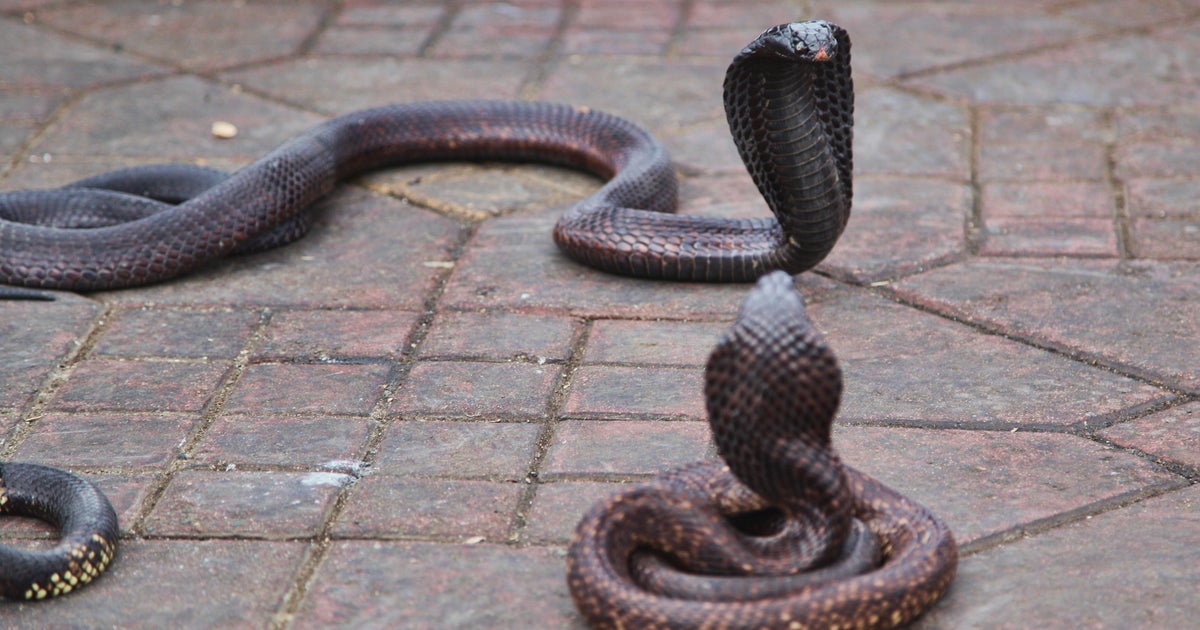
According to statements released by Bavarian police, the tragic incident unfolded during what started as a typical snake-charming performance at the hotel where the German family was staying. The entertainment involved two reptiles, reported to be cobras, which are among the most venomous snakes in the world and carry enough poison to kill a human within hours if left untreated. During the show, the snake charmer followed a common practice of draping the serpents over the shoulders and necks of willing audience members, creating photo opportunities and thrilling moments for tourists. However, the performance took a horrifying turn when the entertainer allowed one of the cobras to crawl into the trousers of the German tourist. Whether this was part of the planned act or an improvisation gone terribly wrong remains unclear. What is certain is that once inside the man’s pants, the snake bit him in the leg, delivering what would prove to be a fatal dose of venom.
Emergency Response and Medical Crisis
The aftermath of the snake bite revealed the swift and devastating effects that cobra venom can have on the human body. Witnesses and medical responders noted that the victim quickly displayed “clear signs of poisoning,” which typically include symptoms such as difficulty breathing, paralysis, excessive salivation, blurred vision, and cardiovascular collapse. The venom from cobra snakes contains powerful neurotoxins that attack the nervous system, potentially causing respiratory failure and cardiac arrest. Emergency medical personnel at the scene were forced to resuscitate the tourist before transporting him to a nearby hospital facility. Despite the efforts of medical professionals who attempted to save his life, the German man succumbed to the effects of the snake bite and died while under medical care. The exact timeline between the bite, the emergency response, and his death has not been publicly disclosed, but the rapid deterioration of his condition suggests that either the venom dose was substantial or that appropriate antivenom treatment was not immediately available or effective.
Investigation and Unanswered Questions
German police and prosecutors have launched a formal investigation into the circumstances surrounding the tourist’s death, with authorities awaiting crucial results from a toxicology examination that will provide definitive information about the type and amount of venom that entered the victim’s system. This investigation raises numerous questions about safety protocols, liability, and the regulation of entertainment activities involving dangerous animals at tourist destinations. Interestingly, when contacted by international media, Egyptian authorities stated they were not aware of the incident, which has raised concerns about communication between local officials, hotel management, and international law enforcement agencies. This apparent lack of awareness or coordination could indicate gaps in reporting requirements for tourist deaths or injuries in Egypt’s hospitality sector. The investigation will likely examine whether proper safety measures were in place during the performance, whether the snake charmer had appropriate licenses and training, and whether hotel management exercised due diligence in vetting the entertainment provider.
The Global Reality of Snake Bite Deaths
This tragic incident in Egypt is far from an isolated case in the broader context of snake bite fatalities worldwide. According to data from the World Health Organization, approximately 5.4 million people are bitten by snakes each year across the globe, with these encounters resulting in up to 138,000 deaths annually. These staggering numbers reveal that snake bites represent a significant public health challenge, particularly in rural and agricultural regions where human populations frequently come into contact with venomous reptiles. The vast majority of fatal snake bites occur in India, where access to immediate medical care and antivenom can be limited in remote areas. However, wealthy nations are not immune to snake bite fatalities, as evidenced by recent incidents in the United States. In Southern California alone, at least three people died from snake bites in just a two-month period, demonstrating that even in areas with advanced medical infrastructure, encounters with venomous snakes can prove deadly. One victim died after being bitten by a rattlesnake while picking flowers in Palos Verdes Estates, another 25-year-old man died following a rattlesnake bite while biking in Irvine, and a 46-year-old woman succumbed to a bite while hiking in Thousand Oaks.
Safety Considerations and Lessons for Travelers
The death of the German tourist serves as a sobering reminder of the potential dangers that can lurk behind seemingly harmless tourist entertainment, particularly in destinations where regulatory oversight may be less stringent than in Western countries. Travelers seeking authentic cultural experiences should exercise caution when participating in activities involving wild or dangerous animals, including snake-charming performances, elephant rides, tiger petting facilities, or crocodile shows. Before engaging with such entertainment, tourists should research the reputation of providers, look for evidence of proper safety protocols, and trust their instincts if something feels unsafe or unprofessional. The incident also highlights the importance of comprehensive travel insurance that covers medical emergencies and evacuation, as well as the value of researching the availability of specialized medical care, such as antivenom supplies, in remote or developing tourist destinations. For entertainment providers and hotel management in tourist areas, this tragedy underscores the critical need for rigorous safety standards, proper training for performers working with dangerous animals, emergency response preparedness, and clear communication with guests about potential risks. As the investigation into this case continues, it may prompt both German and Egyptian authorities to review and strengthen regulations governing tourist entertainment involving venomous reptiles, potentially preventing similar tragedies in the future and ensuring that family vacations remain the joyful experiences they are meant to be.