
German Media Giant Axel Springer to Acquire The Telegraph in £575 Million Deal
A New Chapter for Britain’s Historic Conservative Voice
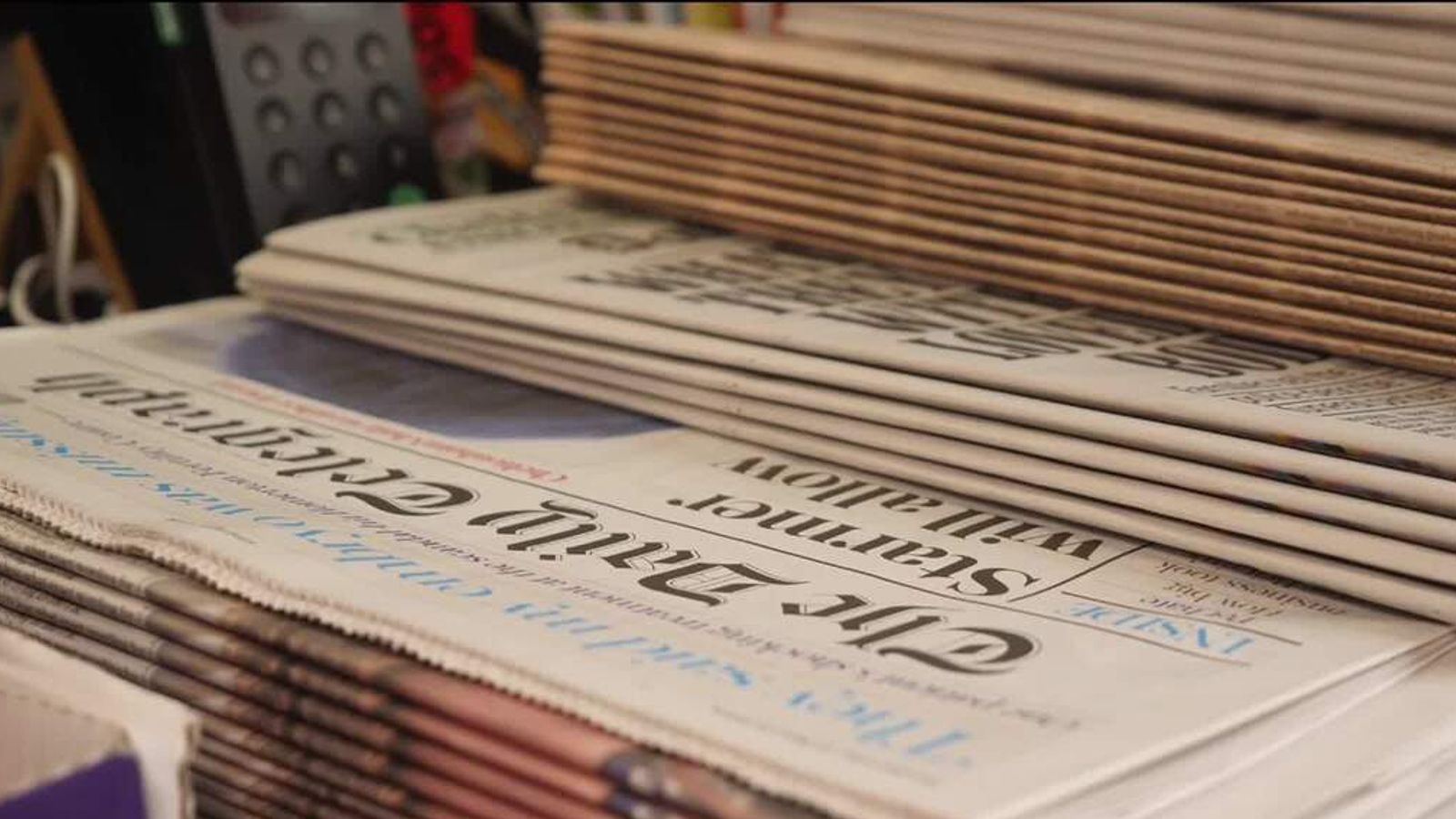
In a significant shake-up of the British media landscape, German publishing powerhouse Axel Springer has agreed to purchase Telegraph Media Group for £575 million, marking a historic moment as the venerable Daily Telegraph and Sunday Telegraph newspapers prepare to come under foreign ownership for the first time. This deal, which awaits regulatory approval, will bring these iconic British publications – long associated with the Conservative Party and the British establishment – into the same media family as Germany’s Bild and Die Welt newspapers, alongside digital properties like Politico and Business Insider. The announcement has sent ripples through Westminster and Fleet Street alike, raising questions about what this means for one of Britain’s most influential conservative voices and how a German-owned Telegraph might navigate the complex political waters of post-Brexit Britain.
The End of a Long and Uncertain Journey
If regulators give their blessing, this acquisition will finally bring closure to nearly three years of uncertainty and turmoil that have plagued the Telegraph titles. The saga began when Lloyds Banking Group seized control of the newspaper group after the former owners, the reclusive Barclay brothers, failed to repay substantial debts. What followed was a complicated series of attempted takeovers and political interventions that left staff in limbo and the future of these historic publications hanging in the balance. The most controversial chapter came in 2023 when Redbird IMI, a partnership between an American investment firm and Abu Dhabi’s sovereign wealth fund, attempted to acquire the titles by purchasing the debt directly from Lloyds, effectively short-circuiting a planned auction process. This move sparked immediate backlash from Telegraph journalists, politicians across the political spectrum, and media freedom advocates who objected to what they saw as effective state ownership of a major British news outlet by a foreign government. The Conservative government, responding to intense pressure and a vigorous campaign led by The Telegraph itself and its parliamentary allies, took the extraordinary step of changing the law to prevent any state entity from owning more than 15% of a British media organization, thereby blocking Redbird IMI from converting their debt into ownership.
A Failed Romance with the Daily Mail
In recent months, there had been growing expectation that the Daily Mail’s parent company would swoop in to rescue The Telegraph, a move that would have consolidated several of Britain’s largest right-leaning publications under a single owner. For many Telegraph employees, this seemed like an ideal solution – a marriage of similar editorial outlooks that would bring stability and keep the titles in familiar British hands. After all, Daily Telegraph editor Chris Evans previously worked at the Mail, and both publications share comparable political perspectives and readerships. Talks between the two parties continued for several months, with an exclusivity period granted to negotiate the finer details. However, as that exclusivity window closed without an agreement, industry insiders grew increasingly skeptical that a deal would materialize. The stumbling block appeared to be concerns about regulatory scrutiny from the Labour government, which had recently come to power and would likely take a dim view of such a significant concentration of right-of-centre media ownership. The prospect of the Daily Mail, Daily Express, and Telegraph titles all under one roof would have created a media empire with considerable political influence, something that competition regulators and media plurality watchdogs would almost certainly challenge vigorously.
The Axel Springer Solution
As the Daily Mail negotiations stalled, discussions with Axel Springer intensified rapidly in recent weeks, culminating in this morning’s announcement to staff at The Telegraph’s London offices. For Axel Springer CEO Mathias Döpfner, this represents a major expansion of the company’s English-language media presence and ambitions. The German media giant already owns Politico, the influential political news outlet covering Washington and Brussels, as well as Business Insider, giving it a strong foothold in digital journalism. Adding The Telegraph to this portfolio represents a significant prize – a brand with centuries of history, a loyal readership, and considerable influence in British political and business circles. In his statement announcing the deal, Döpfner struck a respectful and reassuring tone, describing ownership of The Telegraph as both “a privilege and a duty” and pledging to preserve the newspaper’s “distinctive character and legacy.” He outlined an ambitious vision to transform The Telegraph into “the most read and intellectually inspiring centre-right media outlet in the English-speaking world,” suggesting plans for growth and investment rather than cost-cutting and consolidation. Importantly, he also acknowledged the extended period of uncertainty that Telegraph journalists and employees have endured, promising to bring that unsettling chapter to a close as quickly as possible.
Questions About Editorial Independence and European Commitment
Despite these reassurances, the prospect of the proudly Eurosceptic Telegraph coming under German ownership has not gone unnoticed, particularly in Westminster and among the newspaper’s competitors. The irony is almost too delicious for some to resist – one of Brexit’s most vocal cheerleaders now owned by a continental European media company. More substantively, there are questions about how this might affect The Telegraph’s editorial stance, particularly regarding European affairs. Axel Springer was founded on a set of core principles that include a commitment to “a united Europe,” which sits somewhat awkwardly with The Telegraph’s decades-long skepticism toward European integration and its enthusiastic support for Brexit. While Döpfner has promised to respect The Telegraph’s editorial independence – a standard pledge in such acquisitions – media watchers will be monitoring closely for any subtle shifts in tone or coverage, particularly on European Union matters, transatlantic relations, and Britain’s place in the world. The new owners will need to navigate a delicate balance: maintaining the authentic voice and perspective that Telegraph readers expect and value, while potentially bringing a slightly different worldview shaped by their European base and international outlook.
What Happens Next?
The deal now faces regulatory scrutiny from British authorities, with the Department for Culture, Media and Sport confirming that the secretary of state will “follow the established regulatory process and assess the new deal proposed.” This review will examine issues including media plurality, foreign ownership of strategic national assets, and whether the transaction serves the public interest. Given the political sensitivity surrounding these iconic titles and the recent legislative changes specifically designed to prevent certain types of foreign ownership, the approval process could be thorough and potentially lengthy. However, the fact that Axel Springer is a private company rather than a state entity should smooth the path considerably compared to the Redbird IMI situation. For Telegraph staff, who have endured nearly three years of uncertainty about their employer’s future, there is cautious optimism that this deal might finally bring stability, investment, and clarity about the path forward. For readers, the question remains whether their beloved newspaper will retain its essential character under new ownership, or whether this represents the beginning of a gradual transformation. And for the broader British media landscape, this transaction raises important questions about the future of newspaper ownership in an era of globalization, digital disruption, and the increasing challenge of maintaining profitable and independent journalism. One thing is certain: the venerable Telegraph is entering a new chapter in its long and storied history, and the media world will be watching closely to see how this next phase unfolds.