
The Telegraph-Axel Springer Deal: A Comprehensive Analysis
The Background and Significance of the Transaction
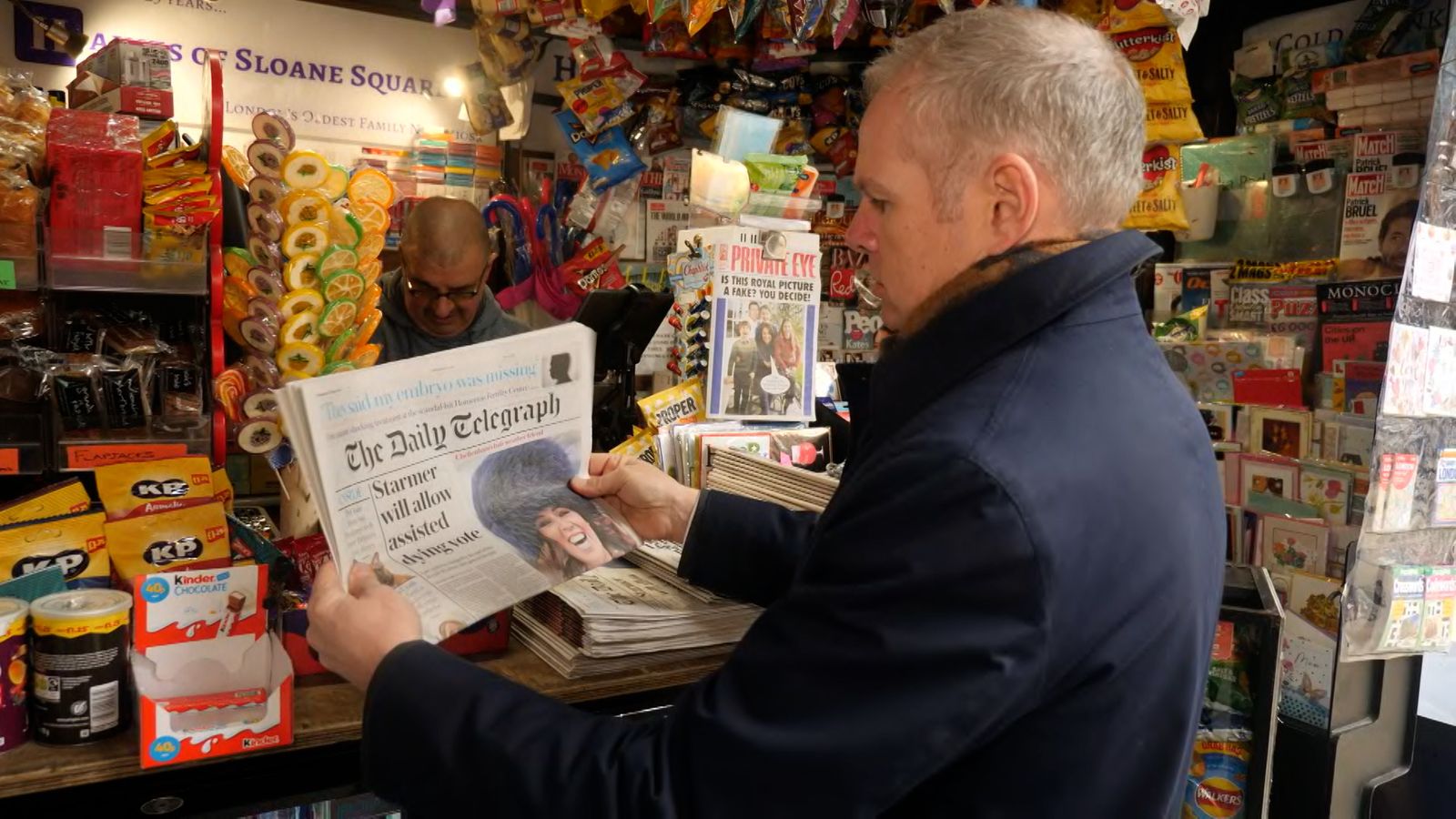
The proposed acquisition of The Telegraph newspaper group by German media conglomerate Axel Springer represents one of the most significant developments in British journalism in recent years. This deal has captured the attention of media observers, politicians, and the general public alike, as it involves the potential foreign ownership of one of Britain’s most influential and historically important news organizations. The Telegraph, founded in 1855, has long been considered a cornerstone of British conservative journalism and maintains considerable influence over political discourse in the United Kingdom. The newspaper group, which includes both The Daily Telegraph and The Sunday Telegraph, reaches millions of readers and has traditionally been viewed as essential reading within Westminster and the corridors of power. The potential sale to Axel Springer, a major European media player known for publications such as Germany’s Bild and significant stakes in digital ventures like Business Insider and Politico, has raised important questions about media ownership, editorial independence, and the future direction of British journalism. Business and economics correspondent Paul Kelso has been closely following this complex transaction, which involves not just a simple sale but a web of financial arrangements, regulatory hurdles, and political considerations that make it one of the most complicated media deals in recent memory.
The Financial Mechanics and Stakeholders Involved
The path to this potential acquisition has been anything but straightforward, involving multiple parties with competing interests and a complicated financial structure that has evolved over time. The Telegraph Media Group found itself in a precarious position following financial difficulties experienced by its previous owners, the Barclay family, who had controlled the newspapers since 2004. When the Barclay family businesses faced mounting debts, Lloyds Banking Group, which held significant loans against the Telegraph titles, moved to recover its position. This led to a controversial arrangement involving RedBird IMI, a joint venture between American investment firm RedBird Capital and International Media Investments (IMI), which has links to the United Arab Emirates government. However, this arrangement faced immediate and substantial political opposition in the United Kingdom, with concerns raised about potential influence from a foreign state over British media. The government subsequently introduced legislation specifically designed to prevent this takeover, effectively blocking the RedBird IMI deal. This created a complex situation where the Telegraph needed new ownership, but the pool of potential buyers capable of affording the significant purchase price—estimated at around £600 million to £700 million—was limited. Enter Axel Springer, a company with deep pockets, media expertise, and, crucially, no direct state connections that might trigger the same regulatory concerns that derailed the previous bid.
Axel Springer’s Profile and Strategic Interests
Understanding Axel Springer’s motivation for pursuing The Telegraph requires examining the company’s broader strategic vision and its evolution as a media organization. Founded in Hamburg, Germany, in 1946, Axel Springer has transformed itself from a traditional print publisher into a diversified digital media powerhouse with significant international operations. The company’s portfolio spans tabloid journalism, classified advertising platforms, and digital media ventures across Europe and North America. Under the leadership of CEO Mathias Döpfner, Axel Springer has pursued an aggressive digital transformation strategy, investing heavily in online journalism, digital subscriptions, and new media formats. The company’s acquisition of stakes in Politico, the influential American political news organization, and Business Insider demonstrated its appetite for expanding into English-language markets and premium journalism. The Telegraph would represent a natural extension of this strategy, offering Axel Springer a prestigious British brand with an established subscription model and significant digital growth potential. The newspaper’s strong performance in converting readers to digital subscriptions aligns perfectly with Axel Springer’s business model, which emphasizes paid content over advertising-dependent journalism. Additionally, The Telegraph’s conservative editorial positioning and quality journalism would complement rather than compete with Axel Springer’s existing properties, providing diversification in both geographic and audience terms.
Regulatory Challenges and Political Considerations
Despite Axel Springer’s stronger position compared to the blocked RedBird IMI bid, the deal still faces substantial regulatory scrutiny and political headwinds that could ultimately determine its fate. In the United Kingdom, media mergers, particularly those involving major news organizations, are subject to review on public interest grounds, including considerations of media plurality, accuracy in news reporting, and freedom of expression. Culture Secretary Lisa Nandy and other government officials have indicated they will examine the deal carefully, recognizing the special status that major news organizations hold in democratic societies. The fact that Axel Springer is a foreign company, even from a friendly European nation, adds an additional layer of complexity to the political considerations. Some British politicians and media commentators have expressed concerns about whether a German-owned Telegraph might alter the newspaper’s traditional editorial stance, particularly on matters relating to Brexit, European Union relations, and British national interests. However, Axel Springer has moved to address these concerns by emphasizing its commitment to editorial independence and its track record of maintaining distinct editorial voices across its various properties. The company has also highlighted that its co-CEO is American and that it already owns significant English-language media properties without interfering in their editorial direction. Nevertheless, the regulatory process will likely involve detailed questioning about governance structures, editorial safeguards, and the implications for media plurality in the United Kingdom, where newspaper ownership is already concentrated among a relatively small number of major players.
The Future of The Telegraph Under Potential New Ownership
If the acquisition proceeds successfully, the question of what The Telegraph might look like under Axel Springer ownership becomes paramount for readers, journalists, and observers of British media. Axel Springer has publicly committed to maintaining The Telegraph’s editorial independence and preserving its distinctive voice in British journalism, statements that are both reassuring and necessary given the political sensitivity surrounding the deal. The company’s track record with other acquisitions suggests a hands-off approach to editorial content, focusing instead on business strategy, digital innovation, and commercial development. Under Axel Springer ownership, The Telegraph would likely see increased investment in digital infrastructure, potentially benefiting from the parent company’s expertise in subscription models, digital marketing, and audience engagement strategies. The newspaper could also potentially benefit from content-sharing arrangements with other Axel Springer properties, accessing international journalism resources and expanding its global reach. However, some observers worry that commercial pressures to maximize profitability might lead to cost-cutting measures that could affect journalistic quality or reduce investment in expensive investigative journalism and foreign correspondents. The cultural fit between a German media company and a quintessentially British institution also raises questions, though Axel Springer’s international experience and its successful management of culturally distinct properties like Politico in the United States suggest it understands the importance of preserving brand identity and editorial character.
Broader Implications for British Media and Journalism
The Telegraph-Axel Springer deal represents more than just a change of ownership for one newspaper group; it reflects broader trends and challenges facing the entire British media landscape and journalism as a whole. The concentration of media ownership, the decline of local journalism, the digital disruption of traditional business models, and the increasing internationalization of media companies all converge in this single transaction. For the British press, already characterized by ownership concentrated in the hands of a few wealthy individuals and companies, this deal raises important questions about diversity of ownership and whether the current regulatory framework adequately protects media plurality and independence. The fact that foreign ownership of British media assets is becoming more common—with proprietors like Evgeny Lebedev at The Independent and the various international holdings of Rupert Murdoch’s News Corporation—suggests that the Telegraph deal is part of a longer-term trend rather than an isolated event. This internationalization brings both opportunities and risks: foreign investment can provide capital for innovation and expansion, but it may also lead to decisions being made with less understanding of or commitment to British democratic traditions and public interest journalism. As the deal proceeds through regulatory review, it will likely prompt broader discussions about what safeguards should be in place for major news organizations, how to balance commercial sustainability with journalistic independence, and whether special protections should apply to news media that wouldn’t apply to other industries. The outcome of the Telegraph-Axel Springer transaction may well establish precedents that influence British media ownership rules and practices for years to come, making it a pivotal moment in the ongoing evolution of journalism in the United Kingdom.