
The Upset in Texas: How Steve Toth Defeated Dan Crenshaw in the Republican Primary
A Stunning Political Defeat for a Sitting Congressman
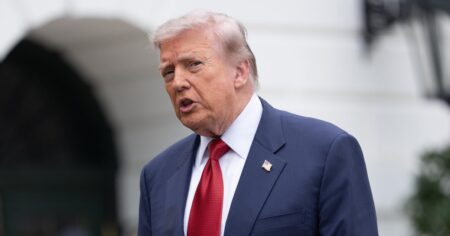
In what many political observers are calling a significant upset in Texas politics, Republican Representative Dan Crenshaw has lost his seat in the GOP primary for Texas’ 2nd Congressional District to state Representative Steve Toth, according to projections from CBS News. This defeat marks a notable moment in the ongoing transformation of the Republican Party, as Crenshaw becomes a casualty of the intense loyalty tests now facing GOP lawmakers. The former Navy SEAL, who has represented the district since winning his seat in 2019, found himself in an increasingly difficult position as the only sitting House Republican from Texas who failed to secure an endorsement from President Trump. This lack of presidential backing proved to be a critical vulnerability in a political landscape where Trump’s influence over the Republican base remains formidable. The loss sends a clear message about the current state of Republican politics: deviation from the party’s most conservative voices and the Trump agenda can carry serious consequences, even for well-known incumbents with compelling personal stories and significant name recognition.
The Winner: Steve Toth’s Conservative Credentials and Campaign Strategy
Steve Toth, 65, brought to the race a profile that resonated strongly with the Republican base in this Houston-area district. As a small business owner with extensive experience in construction and business consulting, Toth positioned himself as an outsider with real-world business acumen and an unwavering commitment to conservative principles. Throughout the campaign, he presented himself as a passionate supporter of President Trump and the broader “Make America Great Again” movement, framing the race as a choice between authentic conservatism and what he portrayed as Crenshaw’s insufficiently loyal approach to the Republican agenda. Toth’s central argument to voters was straightforward but effective: Dan Crenshaw, despite his Republican credentials, simply wasn’t conservative enough or sufficiently aligned with the MAGA coalition to truly represent the district’s values. This messaging clearly struck a chord with primary voters who prioritize ideological purity and unwavering support for Trump’s policy positions. Toth’s campaign received a significant boost when Texas Senator Ted Cruz endorsed him just days before the election, a decision that came on the heels of Crenshaw’s vote against a bipartisan aviation safety bill that Cruz had championed in the Senate. Additionally, Toth benefited from President Trump’s previous endorsements during his earlier campaigns for the state house, giving him credibility with the most engaged Republican primary voters.
Crenshaw’s Challenges: When Independence Becomes a Liability
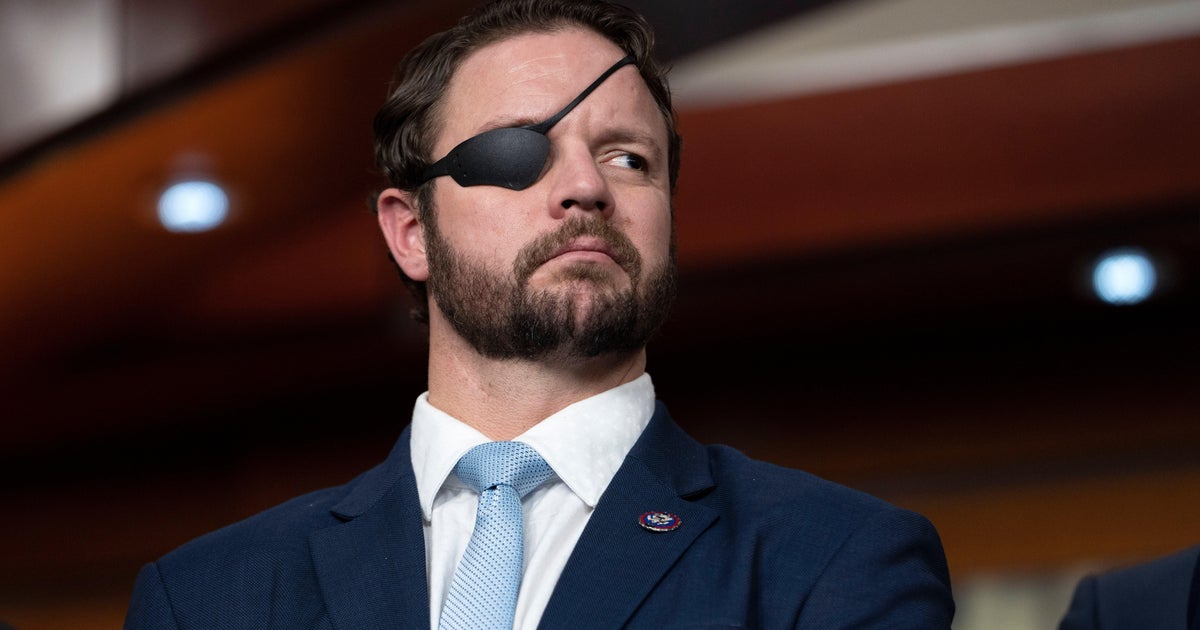
Dan Crenshaw’s defeat can be attributed to several factors that made him vulnerable in today’s Republican primary environment. The congressman, a former Navy SEAL who lost his eye in an IED blast in Afghanistan, built his political brand on military service and a no-nonsense conservative approach to governance. However, his willingness to occasionally break with party orthodoxy ultimately became a significant liability. Perhaps most notably, Crenshaw has been a vocal and consistent advocate for providing military aid to Ukraine as it defends itself against Russian invasion—a position that has increasingly put him at odds with a growing faction within the Republican Party that questions American involvement in the conflict. This foreign policy stance drew sharp criticism from isolationist-leaning conservatives who view such support as unnecessary interventionism. Additionally, Crenshaw earned the ire of some Republicans by criticizing fellow party members who continue to deny the results of the 2020 presidential election, positioning himself as someone willing to acknowledge uncomfortable truths even when they contradict the narrative preferred by the party’s base. While such positions might appeal to general election voters and demonstrate intellectual independence, they proved toxic in a Republican primary where loyalty to Trump and adherence to the prevailing party line on key issues are increasingly treated as litmus tests. The fact that Crenshaw was the only sitting Texas Republican congressman to fail to secure Trump’s endorsement hung over his campaign like a dark cloud, signaling to primary voters that he wasn’t fully aligned with the direction the party’s most influential figure wanted to take.
The District and What This Means for November
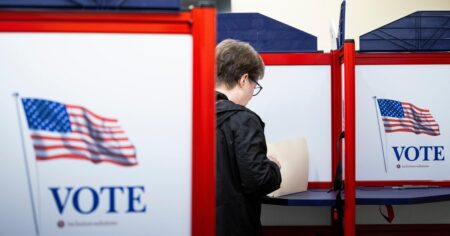
Texas’ 2nd Congressional District, located in the suburbs of Houston, is heavily Republican territory, which means that Toth’s victory in the primary virtually guarantees him a seat in Congress come November. In districts with such strong partisan leanings, the real election happens in the primary rather than the general election, making Tuesday’s result the decisive moment in determining who will represent these voters in Washington. Texas operates with open primaries, meaning voters don’t have to be registered Republicans to participate in the GOP primary, though the conservative nature of the district suggests that the electorate is genuinely representative of Republican sentiment in the area. For Democrats, there’s little realistic hope of flipping this seat in the general election given the district’s political composition. This means that the defeat of Crenshaw represents not just a loss for one congressman but a shift in the type of Republican who will represent this district—from someone occasionally willing to buck party trends to someone who has explicitly positioned himself as unwavering in his support for the most conservative elements of the GOP agenda. The result will likely send ripples through Republican politics more broadly, reinforcing the lesson that independence from party orthodoxy, even on select issues, can be politically fatal in primary contests.
The Austin Shooting and Immigration Politics
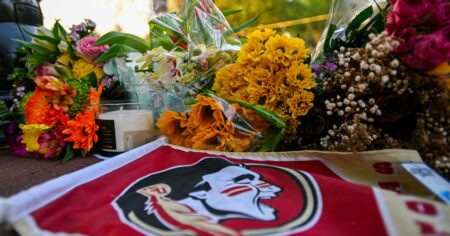
The primary race unfolded against the backdrop of a tragic shooting in Austin over the weekend that left two people dead and fourteen wounded. The incident, which authorities said was carried out by a naturalized U.S. citizen originally from Senegal who was wearing a hoodie with the words “Property of Allah,” immediately became politicized as both candidates sought to connect the violence to immigration policy. Steve Toth responded to the shooting on social media by emphasizing what he sees as the proper priorities for American governance: “America’s primary role is keeping Americans safe in our homeland. It’s not mass immigration in the name of diversity.” This statement encapsulated a broader conservative critique of immigration policy that prioritizes security concerns over diversity and humanitarian considerations. Crenshaw, for his part, also addressed the shooting but took a somewhat different approach, writing on X that the incident was “possibly a terrorist attack” and connecting it to concerns about border security and vetting procedures. He wrote: “Years of open borders and allowing immigrants from countries where we were not always able to fully vet them created the potential for Iranian and Islamists sleeper cells.” Both candidates’ responses demonstrate how quickly tragedies can be incorporated into campaign narratives and how immigration remains one of the most potent issues in Republican politics.
The Broader Implications for the Republican Party
Dan Crenshaw’s defeat in the Texas primary represents more than just one congressman losing his seat—it’s a data point in the ongoing story of the Republican Party’s evolution and the political price of deviation from Trump-endorsed positions. The loss of a relatively young, media-savvy congressman with a compelling military background and significant name recognition demonstrates just how powerful the demand for ideological conformity has become within the GOP. Crenshaw’s occasional willingness to criticize fellow Republicans, his support for Ukraine, and his failure to fully embrace election denialism—positions that might have been considered mainstream conservative stances not long ago—became disqualifying liabilities in the current political environment. This creates a challenging dynamic for the Republican Party going forward, as it suggests that independent thinking and willingness to acknowledge complex realities can be politically fatal in primary contests, even for candidates with otherwise strong conservative credentials. The result may be a Congress increasingly populated by members who prioritize loyalty and ideological purity over pragmatism or nuanced policy positions. As the Republican Party continues to reshape itself in Trump’s image, figures like Crenshaw who occupy a space between traditional conservatism and full MAGA alignment may find themselves with no political home, pushed out by primary challengers who can credibly claim to be more authentically committed to the movement. For observers of American politics, this primary result offers important insights into which direction the Republican Party is heading and suggests that the Trump era’s influence on GOP politics remains as powerful as ever.