
Labour’s Bold Plan to Slash Energy Bills: Breaking the Gas-Electricity Price Link
A Fresh Approach to Tackling Rising Energy Costs
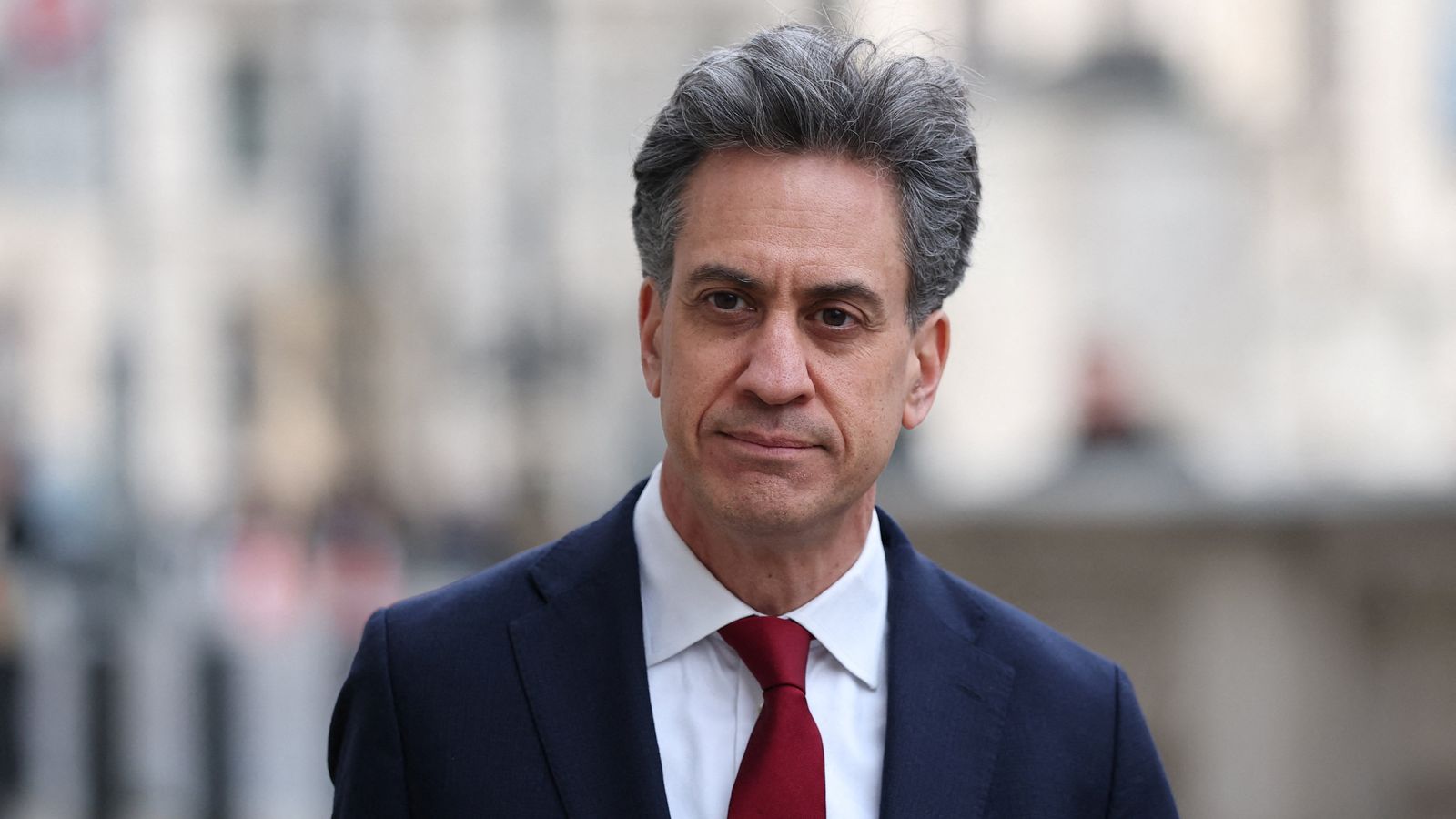
Energy Secretary Ed Miliband has signaled a significant shift in how Britain might approach its energy pricing crisis, telling Labour MPs that the government is seriously exploring ways to separate electricity prices from gas costs. Speaking at a Parliamentary Labour Party meeting on Monday evening, Miliband acknowledged that while the task would be “complicated,” it is indeed “possible” to achieve. This announcement comes at a critical time when British households are bracing for energy bills to reach a three-year peak by the end of June. The proposal centers on reforming the UK’s wholesale energy market, which currently operates on a marginal cost pricing model—a system where the most expensive energy source (typically gas) effectively sets the price for all electricity, regardless of how it’s actually generated. This means that even when your electricity comes from cheaper renewable sources like wind or solar, you’re still paying prices determined by expensive gas-fired power stations.
Understanding the Current Problem and the Proposed Solution
The crux of the issue lies in how Britain’s energy market currently functions. Under the existing system, electricity prices are determined by the cost of the most expensive unit of energy needed to meet demand at any given moment. Since gas-fired power stations are often the most costly to run, they end up setting the wholesale price for all electricity generation—even the cheaper renewable energy. It’s a bit like going to a buffet where you pay the price of the most expensive dish, regardless of what you actually eat. Dale Vince, an eco-entrepreneur and Labour donor, has put forward a detailed proposal called “Breaking the Link” that suggests a new bidding system to change this arrangement. His report estimates that this gas-electricity price connection added a staggering £43 billion to UK energy bills in 2023 alone—working out to about £367 per household. Under Vince’s proposed system, each electricity generator would receive payment based on their actual bid price rather than the highest market price, which would better reflect the genuinely lower costs of renewable energy production.
Political Support and the Wider Cost of Living Context
The proposal is gaining traction across the political spectrum, with Labour MP Simon Opher from Stroud urging ministers to seize this opportunity, suggesting it could save households hundreds of pounds annually. Opher highlighted that the ongoing Middle East crisis presents “a real opportunity to radically rethink the way in which our energy market operates,” demonstrating that Labour is serious about addressing the cost of living crisis that continues to squeeze family budgets. Even the Green Party has thrown its weight behind the idea, with leader Zack Polanski calling for the decoupling of electricity and gas prices in a recent economic policy speech. When Chancellor Rachel Reeves faced questions about the measure in the Commons, she stopped short of making firm commitments but pointed to Labour’s Planning and Infrastructure Act as a step toward making it easier to build renewable energy projects. She also noted that gas is currently setting energy prices about a third less than it was four years ago due to reduced imports—though this offers little comfort to families facing climbing bills.
Internal Party Debates and Energy Security Concerns
While there appears to be broad support within Labour for exploring market reforms, the party isn’t entirely united on the best path forward for energy policy. MP Henry Tufnell broke ranks by calling for an end to the government’s ban on new North Sea oil and gas exploration in an article published in The Sun, arguing for a more balanced approach to energy security. The Conservatives have seized on this division, pushing their own agenda for increased oil and gas drilling in the North Sea and claiming that Labour’s net-zero commitments are undermining Britain’s energy security. However, at Monday’s PLP meeting, Tufnell reportedly found himself isolated, with most MPs rallying behind Miliband’s vision. The Energy Secretary used the gathering to reinforce his message that dependence on fossil fuel markets leaves Britain vulnerable as “price takers, not price makers,” exposed to the whims of global energy markets and geopolitical instability. This argument has gained particular resonance amid the Iran conflict, which has prompted the government to begin contingency planning for potential energy bill support measures.
The Clean Energy Vision and Its Challenges
Labour’s overarching strategy aims to transform Britain into a “clean energy superpower” by 2030, with promises that this transition will reduce household energy bills by £300 annually. Miliband has been emphatic that the ongoing war in the Middle East only strengthens the case for accelerating the shift to clean power, declaring that “we can only get energy sovereignty and national security with homegrown power we control.” However, Dale Vince’s research suggests that achieving renewable energy targets alone won’t be enough to deliver the promised savings unless the market structure changes fundamentally. His “Breaking the Link” report warns that even if 95% of Britain’s electricity comes from clean energy sources, households could still face high prices due to the remaining 5% of gas generation setting market rates under current rules. This insight reveals a crucial gap between the government’s renewable energy ambitions and the practical delivery of lower bills—a gap that market reform could potentially bridge.
Looking Ahead: The Path to Affordable, Secure Energy
Dale Vince, speaking to Sky News, emphasized the urgency of acting now rather than waiting for the next inevitable energy crisis. He pointed out that the Conservative government spent billions of pounds suppressing energy bills during the previous crisis through support schemes and subsidies—a reactive approach that treats symptoms rather than causes. “This won’t be the last energy crisis of this decade; we will have more,” Vince warned, arguing that fixing the market structure now would “insulate ourselves and make our bills more affordable and stable” for the long term. The government faces a delicate balancing act: pursuing ambitious decarbonization goals while ensuring energy security and affordability for households already stretched by years of high inflation and stagnant wage growth. While Miliband has made no guarantees about implementing market reforms, his acknowledgment that the government is actively seeking solutions represents a meaningful step forward. The coming months will prove critical as ministers work through the technical complexities of restructuring Britain’s energy market—a challenge that’s complicated but, according to Miliband, definitely possible. For millions of British households watching their energy bills climb again, the hope is that political will can translate into practical reform that delivers the affordable, secure, and clean energy future that politicians across the spectrum claim to support.