
Tragic Shooting at Old Dominion University: What We Know
Campus Violence Strikes Virginia University
A frightening scene unfolded Thursday morning at Old Dominion University in Norfolk, Virginia, when an armed shooter opened fire inside one of the campus buildings, leaving two people injured before being killed. The incident occurred in Constant Hall, a building that serves as part of the university’s College of Business, sending shockwaves through the campus community and prompting an immediate lockdown and suspension of classes. The shooting has once again brought the issue of campus safety and gun violence to the forefront of national conversation, as students, faculty, and parents grapple with the reality that no educational institution seems immune from such tragedies.
The university acted quickly to alert students and staff about the active threat, issuing warnings through its emergency notification system. According to official statements from Old Dominion, the shooter was “neutralized,” though specific details about how the situation was resolved have not been disclosed to the public. What remains uncertain is the exact timeline of events, how law enforcement responded, and most importantly, what motivated someone to bring violence to a place of learning. The two individuals who were injured during the shooting were taken from the scene, but their current medical condition has not been released to the public, leaving many in the campus community anxiously waiting for updates about their fellow students or colleagues.
Firsthand Accounts Paint a Picture of Chaos
The terror of those moments was captured in interviews with students who were present when the violence erupted. One junior at Old Dominion University, speaking with CBS affiliate WTKR-TV, described the confusion and panic that gripped his classroom as the situation developed. He recounted being in class when the first sounds of distress reached their ears. “We heard like faint screaming, and we just like looked back, we didn’t know what it was,” the student explained, his words conveying the initial uncertainty that often accompanies such unexpected events. Within seconds, however, the gravity of the situation became horrifyingly clear.
“And then we heard the screams getting louder, and then that’s when the alarm went off, and everyone just like ran out of the building,” the student continued. His account highlights how quickly a normal Thursday morning class transformed into a scene of chaos and fear. Students who had arrived expecting lectures and study sessions instead found themselves fleeing for their lives, following emergency protocols they likely hoped they would never need to use. The building alarm system, designed for such emergencies, alerted those who might not have otherwise realized the danger, potentially saving lives by giving people precious seconds to escape or shelter in place. For students like this junior, the experience will likely remain etched in their memories for years to come, a traumatic reminder of how fragile safety can be.
Swift Response from Law Enforcement
The response to the shooting involved multiple law enforcement agencies working in coordination to secure the scene and ensure no additional threats remained. The Bureau of Alcohol, Tobacco, Firearms and Explosives (ATF) confirmed through social media platform X (formerly Twitter) that they had deployed agents to the Old Dominion University campus to assist with the investigation. The ATF’s involvement indicates the seriousness with which federal authorities are treating this incident, as the agency typically becomes involved in cases involving firearms offenses and violent crimes that may have interstate implications or require specialized forensic analysis.
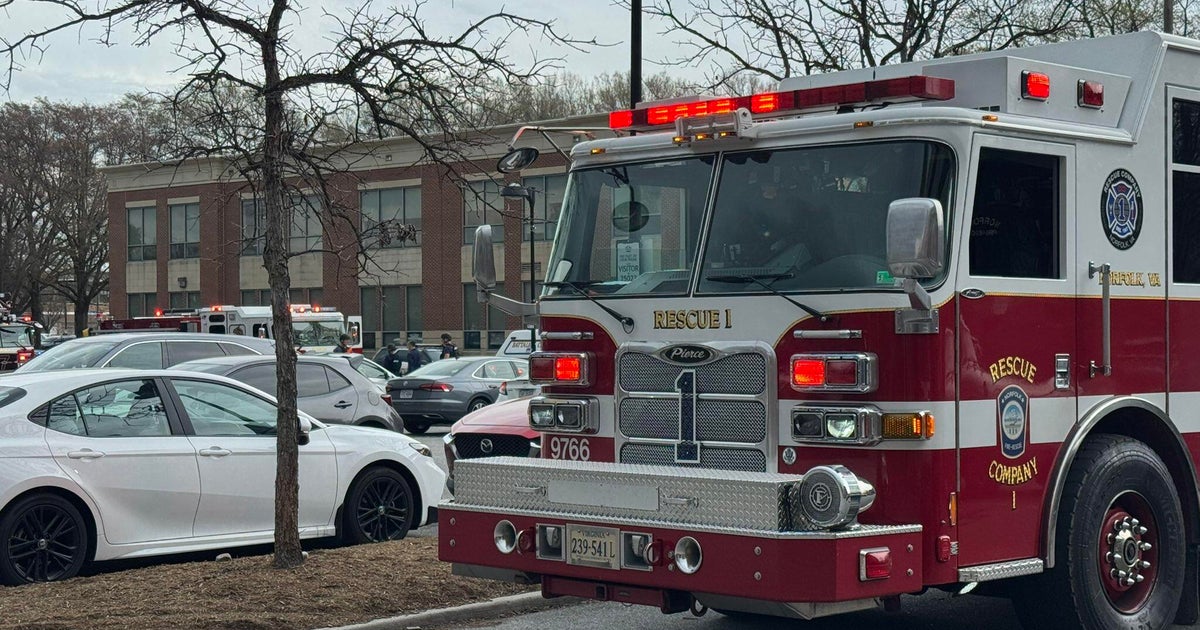
Local Norfolk police, campus security, and likely Virginia state law enforcement also descended on the scene, establishing a perimeter around Constant Hall and systematically clearing the building to ensure no additional suspects or victims remained inside. The coordination required for such a response is the result of years of active shooter training and preparation that has unfortunately become necessary at educational institutions across the country. Law enforcement officers now regularly train for campus shooting scenarios, understanding that their response time and tactics can mean the difference between life and death. In this case, the rapid neutralization of the shooter prevented what could have been an even more devastating tragedy, though every shooting that results in injuries or deaths represents a failure of our systems to prevent such violence in the first place.
University Takes Immediate Action
Old Dominion University’s administration made the decision to suspend all classes for the remainder of Thursday, a move that allows the campus community to process what happened while also facilitating the ongoing law enforcement investigation. The decision to cancel classes reflects an understanding that students and faculty cannot simply return to normal activities after such a traumatic event. People need time to check on loved ones, to decompress from the adrenaline and fear, and to begin processing the psychological impact of knowing that violence occurred in their educational space.
The university announced that more detailed information would be provided to the community at 12:15 p.m. Eastern Daylight Time, giving administrators time to gather accurate information rather than spreading unconfirmed details that might cause additional panic or confusion. This approach to crisis communication has become standard practice for institutions dealing with active threats, as the spread of misinformation during emergencies can be nearly as dangerous as the incident itself. Parents frantically trying to reach their children, students seeking information about friends, and faculty members wondering about colleagues all depend on the university to provide timely, accurate updates. The pressure on university officials to balance transparency with the need for accuracy while an investigation is ongoing is immense.
The Broader Context of Campus Shootings
This shooting at Old Dominion University joins a tragically long list of violent incidents that have occurred at American schools and universities over recent years. While the specifics of each case differ, they collectively point to deeper issues within society regarding mental health, access to firearms, security protocols, and the warning signs that often precede such violence. Campus shootings are particularly devastating because they occur in spaces that should represent opportunity, growth, and safety—places where young people come to build their futures, not to fear for their lives.
The impact of these events extends far beyond the immediate victims. Entire campus communities experience collective trauma, with students reporting increased anxiety, difficulty concentrating on studies, and a persistent sense of vulnerability. Faculty members must balance their own processing of the event with supporting students who look to them for guidance and stability. Parents who send their children to college with hopes for their bright futures are reminded of the risks that now seem to accompany higher education. And for prospective students and their families, each new campus shooting becomes part of the calculation when choosing where to pursue education, with safety concerns now rivaling considerations of academic programs and campus culture.
Moving Forward and Seeking Answers
As the investigation into this shooting continues, many questions remain unanswered. Authorities have not yet released information about the shooter’s identity, their connection to Old Dominion University, or what might have motivated them to commit this act of violence. Were there warning signs that were missed? Did the shooter have a history of concerning behavior? What type of weapon was used, and how did the shooter gain access to it? These questions are critical not only for understanding this specific incident but also for potentially preventing future tragedies.
The two injured victims remain in the thoughts of the entire campus community as updates about their condition are awaited. For these individuals and their families, the road to recovery—both physical and psychological—will likely be long. Beyond their personal healing, the entire Old Dominion community will need support services to process this trauma. Universities typically offer counseling services, support groups, and mental health resources following such incidents, recognizing that the impact is widespread. As this story continues to develop, the hope is that lessons can be learned that might prevent similar violence in the future, though many feel frustrated that despite numerous previous campus shootings, effective prevention strategies remain elusive. For now, the Old Dominion community must come together to support one another through this difficult time, demonstrating resilience while also demanding answers and accountability.