


Rare Hantavirus Outbreak on Cruise Ship Raises Alarm as Human-to-Human Transmission Suspected
WHO Confirms Unusual Disease Spread Among Passengers
A troubling health crisis unfolded aboard the cruise ship MV Hondius, leaving the international community concerned after the World Health Organization confirmed on Tuesday that an extremely rare form of human-to-human hantavirus transmission likely occurred among passengers. The outbreak has claimed three lives and left several others critically ill, marking an unusual and deeply concerning public health event. Maria Van Kerkhove, a leading epidemiologist with the WHO, addressed the media during a press conference, explaining that the organization has strong reason to believe the virus spread between people in close quarters aboard the vessel. “We do believe that there may be some human-to-human transmission that’s happening among the really close contacts [on board],” she stated, specifically noting transmission patterns between married couples and cabin-mates. This revelation is particularly alarming because hantavirus is typically contracted through contact with infected rodents or their waste, not through person-to-person contact, making this outbreak highly unusual in the medical community’s experience.
The Crisis Unfolds: A Ship Stranded at Sea
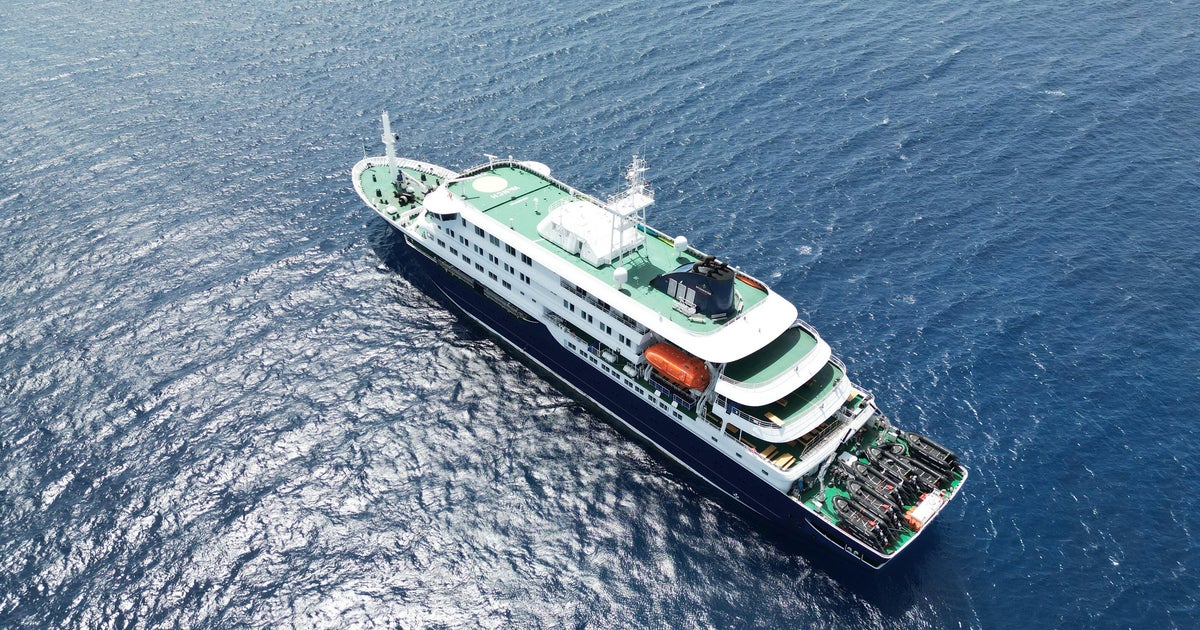
The MV Hondius found itself in a desperate situation, stranded off the coast of Cape Verde in the Atlantic Ocean with nearly 150 people aboard. The African island nation refused to allow the ship to dock due to legitimate public health concerns, leaving passengers and crew in a state of limbo as authorities worked to determine the best course of action. The ship had embarked on what was supposed to be an adventure of a lifetime—a weeks-long polar cruise from Argentina to Antarctica and several isolated islands in the South Atlantic. However, the journey turned into a nightmare when passengers began falling ill with symptoms that would eventually be identified as hantavirus. The vessel, operated by Netherlands-based Oceanwide Expeditions, became a floating quarantine zone as health officials from multiple countries coordinated their response. After days of uncertainty, the Spanish government offered a solution, announcing that the ship could sail to Spain’s Canary Islands where a “full investigation” and “full disinfection” could be conducted. This decision provided a much-needed path forward for the stranded passengers and crew who had been confined to their cabins as much as possible to prevent further spread of the illness.
The Human Toll: Lives Lost and Families Shattered
The outbreak has taken a devastating human toll, with three confirmed deaths that have left families grieving and the remaining passengers deeply shaken. The first fatality was a 70-year-old Dutch man who died aboard the ship on April 11. His wife, a 69-year-old Dutch woman, initially appeared to be suffering from gastrointestinal symptoms when she disembarked on April 24. Tragically, her condition deteriorated rapidly during a flight to Johannesburg, and she passed away just two days after leaving the ship. Her blood later tested positive for the hantavirus, confirming the nature of the outbreak. The body of a German national who also succumbed to the virus remains on the ship, according to statements from Oceanwide Expeditions. Beyond the fatalities, there are four other suspected or confirmed cases of the virus aboard the vessel. One British national was evacuated from the boat and is now fighting for his life in intensive care in South Africa after testing positive for the virus on April 27. The WHO has initiated contact tracing for passengers who shared a flight with the deceased Dutch woman, adding another layer of complexity to the public health response and raising concerns about potential spread beyond the ship itself.
Understanding the Threat: What Makes This Outbreak Unique
Hantavirus is a rodent-borne illness typically spread through contact with infected rodents or their urine, saliva, or droppings—not through human interaction. This makes the suspected human-to-human transmission aboard the MV Hondius particularly extraordinary and concerning to health officials worldwide. While the WHO acknowledged that the Andes strain of hantavirus can, in rare circumstances, spread between people, such occurrences are exceptionally uncommon. What makes this virus particularly dangerous is its shocking mortality rate: when humans contract hantavirus, the fatality rate can reach as high as 50%, making it one of the more deadly infectious diseases. The incubation period adds another challenge to containing the outbreak, as symptoms can appear anywhere from a few days to eight weeks after exposure. This extended window means that passengers could have been infected before boarding the ship in Argentina or at any point during their journey. Health officials remain puzzled about how the outbreak could have started in the first place, with investigations ongoing to determine the source of the initial infection and how the virus found its way onto what should have been a pristine cruise vessel.
International Response and Passenger Demographics
The crisis has prompted a coordinated international response involving health authorities from multiple countries, each concerned about their citizens aboard the stricken vessel. According to Oceanwide Expeditions, among the 87 remaining passengers, 17 are Americans, 19 are from the United Kingdom, and 13 from Spain, along with 61 crew members representing various nationalities. This international makeup has complicated coordination efforts but has also brought together resources from multiple health systems. Cape Verde’s Health Ministry, despite refusing to allow the ship to dock, sent a medical team consisting of two doctors, a nurse, and a laboratory specialist to the vessel over three separate trips to assess the situation and provide care. Dr. Ann Lindstrand, a WHO official in Cape Verde, acknowledged the difficult position Cape Verdean authorities found themselves in, explaining, “It’s been very tricky for Cape Verdean authorities. What they have to deal with is a public health event. And of course, they have been thinking about the protection of the population here.” The Spanish Ministry of Health announced that its epidemiologists would conduct a comprehensive review of the ship, with the intervention intended to assess the condition of everyone on board, determine if more individuals are showing symptoms, and identify both high-risk and low-risk contacts to inform decisions regarding repatriation and the ship’s ultimate destination.
Looking Forward: Lessons and Lingering Questions
As the MV Hondius prepares to sail to Spain’s Canary Islands for thorough investigation and disinfection, many questions remain unanswered about this unprecedented outbreak. The WHO’s current plan involves evacuating two sick passengers to the Netherlands before the ship continues to its Spanish destination, where authorities will conduct what Van Kerkhove described as “a full epidemiologic investigation” to understand exactly what happened aboard the vessel. Argentine health officials confirmed that no passengers exhibited hantavirus symptoms when the Hondius departed from Ushuaia in southern Argentina on April 1, though they acknowledged that passengers could have been incubating the disease if they acquired it within the country or elsewhere in the world prior to boarding. Juan Facundo Petrina, director of epidemiology for Tierra del Fuego province, noted that while the province hasn’t historically seen hantavirus cases, infections have broken out in other Argentine provinces, leading to 28 deaths nationwide the previous year according to the health ministry. The Oceanwide Expeditions vessel, which advertises 33-night or 43-night “Atlantic Odyssey” cruises, has 80 cabins and a capacity of 170 passengers, typically traveling with about 70 crew members including a doctor. This outbreak will undoubtedly prompt the cruise industry to review its health protocols and screening procedures, particularly for voyages to remote regions where medical assistance may be hours or days away and where unusual health threats might emerge from wildlife exposure during shore excursions.