


Federal Investigation Targets Smith College Over Transgender Admission Policy
A Historic Women’s College Faces Scrutiny
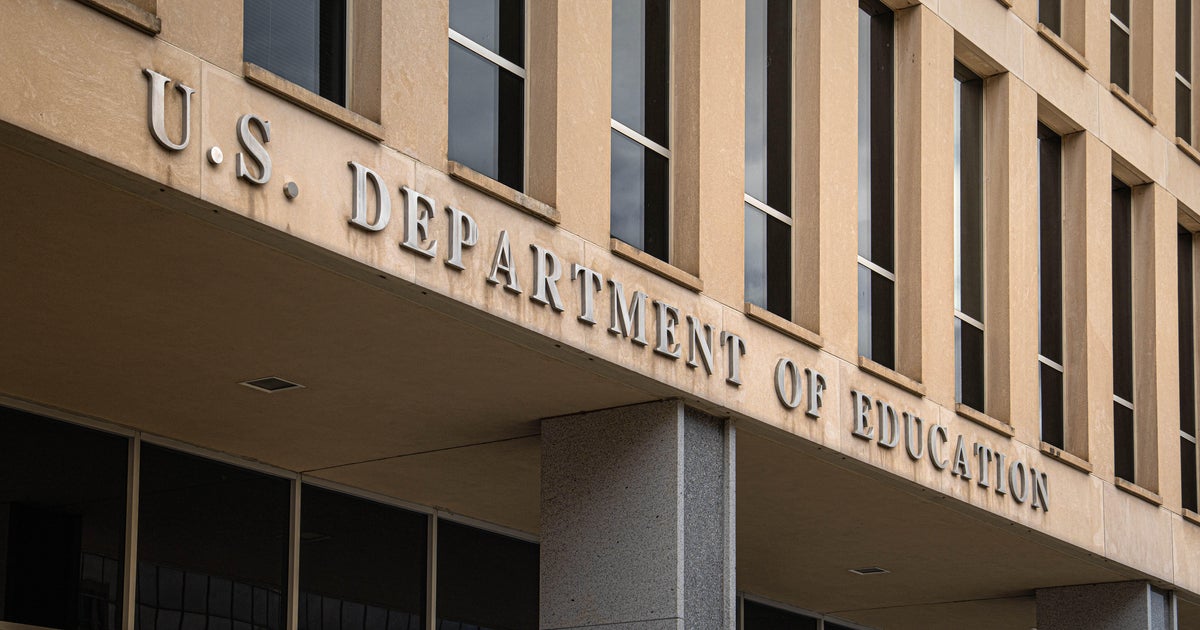
The U.S. Department of Education announced on Monday that it has launched an investigation into Smith College, a prestigious women’s liberal arts institution in Massachusetts, examining whether the school’s policy of admitting transgender women violates federal law. The probe, conducted by the department’s Office of Civil Rights, centers on whether Smith College has broken Title IX regulations—the landmark 1972 legislation designed to prevent sex-based discrimination in educational settings. In its official statement, the department characterized the college’s admission of transgender women as “admitting biological men,” a framing that has immediately sparked controversy and concern among LGBTQ+ advocates and civil rights organizations. This investigation represents the latest action in a broader campaign by the Trump administration to restrict transgender rights across various aspects of American life, following similar moves targeting transgender athletes’ participation in women’s sports. The administration has already filed lawsuits against several states and initiated investigations into schools that they claim aren’t following their interpretation of Title IX, making this investigation part of a wider pattern of federal action against transgender inclusion policies.
The Evolution of Smith’s Admission Policy
Smith College, which was established in 1871 as part of the movement to provide higher education opportunities for women, began formally admitting transgender women in 2015, joining several other prestigious women’s colleges in updating their admission policies. This policy change didn’t happen in a vacuum—it came after significant campus activism and a controversial incident in 2013 that brought national attention to the issue. That year, a transgender high school senior was denied admission to Smith because her gender identity didn’t match what was listed on her financial aid documentation, sparking outrage among students and advocacy groups who argued that excluding transgender women contradicted the fundamental mission of women’s colleges. The incident became a catalyst for change, prompting Smith and other institutions to reconsider their policies. Today, Smith’s website clearly states that “any applicants who self-identify as women; cis, trans, and nonbinary women” are welcome to apply, reflecting a broader understanding of gender identity and womanhood. This inclusive approach has been championed by advocates who point out that women’s colleges were originally founded to serve people marginalized because of their gender—a mission that, they argue, naturally extends to transgender women who face similar barriers to education and opportunities.
The Shrinking Landscape of Women’s Colleges
The investigation comes at a particularly challenging time for women’s colleges in America, which have experienced dramatic decline over recent decades. According to data from the Women’s College Coalition, the number of women’s colleges across the country has plummeted from more than 200 institutions to just 30 as of fall 2023. This steep decline reflects broader changes in American higher education, including the fact that most previously all-male colleges have become coeducational, reducing the perceived need for women-only institutions. The remaining women’s colleges have had to adapt and evolve to stay relevant and financially viable in this changing landscape. Many have embraced more inclusive policies regarding transgender and nonbinary students as part of their efforts to remain true to their founding missions while also recognizing contemporary understandings of gender. For these institutions, the question of who counts as a woman and who belongs at a women’s college isn’t just an abstract debate—it’s a matter that directly affects their identity, enrollment, and survival. Smith College, as one of the prestigious Seven Sisters colleges, has been at the forefront of these discussions, and its policies have influenced other women’s institutions. The federal investigation now threatens to upend not just Smith’s admission practices but potentially those of other women’s colleges that have adopted similar inclusive policies.
The Legal Framework and Federal Position
The Department of Education’s investigation hinges on a specific interpretation of Title IX and its exceptions. According to the department’s news release, while Title IX does contain provisions that allow colleges to operate as single-sex institutions, these exceptions supposedly apply only “on the basis of biological sex difference, not subjective gender identity.” This represents a fundamental disagreement about how gender should be defined and recognized under federal law. Assistant Secretary for Civil Rights Kimberly Richey articulated the administration’s position bluntly: “An all-women’s college loses all meaning if it is admitting biological males. Allowing biological males into spaces designed for women raises serious concerns about privacy, fairness, and compliance under federal law. The Trump Administration will continue to uphold the law and fight to restore common sense.” This language—referring to transgender women as “biological males”—represents a rejection of the distinction between sex assigned at birth and gender identity, a distinction that medical, psychological, and human rights organizations have increasingly recognized. The administration’s framing positions transgender inclusion not as a matter of civil rights but as a threat to women’s spaces and fairness, echoing arguments that have been used to restrict transgender rights in various contexts, from bathrooms to sports teams to now college admissions.
The Complaint and Political Context
The investigation didn’t originate from within the Department of Education itself but rather from a complaint filed by Defending Education, a conservative legal organization that has made challenging what it views as left-wing policies in schools and universities a central part of its mission. The group filed its complaint with the Office of Civil Rights in June 2025, stating that it opposes “discrimination on the basis of sex in America’s K-12 schools and institutions of higher education.” The involvement of such an organization highlights how transgender rights have become a focal point in broader culture war battles, with conservative legal groups actively seeking opportunities to challenge inclusive policies through the courts and federal agencies. This approach has proven effective during the Trump administration, which has been receptive to these complaints and has prioritized rolling back protections for transgender individuals. The political landscape around these issues has shifted dramatically in recent years. During the Biden administration, new Title IX regulations were issued that expanded protections to prevent discrimination based on sexual orientation or gender identity, recognizing these as forms of sex-based discrimination. However, these protections proved short-lived. In January 2025, a federal judge struck down the Biden-era rules, determining they had legal shortcomings, effectively clearing the way for the current administration to pursue a much more restrictive interpretation of the law.
Broader Implications and the Road Ahead
The investigation into Smith College carries implications that extend far beyond one institution’s admission policies. If the Department of Education determines that Smith has violated Title IX by admitting transgender women, it could set a precedent that affects all remaining women’s colleges, potentially forcing them to choose between excluding transgender women or losing their single-sex exemption under federal law. This would represent a significant setback not only for transgender rights but also for institutional autonomy and the ability of private colleges to define their own missions and communities. For transgender students, the stakes are deeply personal—these investigations and policy changes affect their ability to access education in environments where they feel safe and affirmed. For women’s colleges, the question touches on fundamental issues about their purpose and identity in the 21st century. As of now, Smith College has not issued a public response to the investigation announcement, and it remains to be seen how the institution will navigate this challenge. The case will likely be closely watched by educators, civil rights advocates, legal experts, and other colleges grappling with similar questions. Whatever the outcome, this investigation represents a critical moment in ongoing debates about gender, discrimination, and who gets to decide what it means to be a woman—debates that are playing out not just in colleges but across American society, from healthcare settings to athletic fields to legal documents and everything in between.