
Hawaii’s Kilauea Volcano Puts on a Spectacular Show with 1,000-Foot Lava Fountains
Nature’s Fiery Display Continues on the Big Island
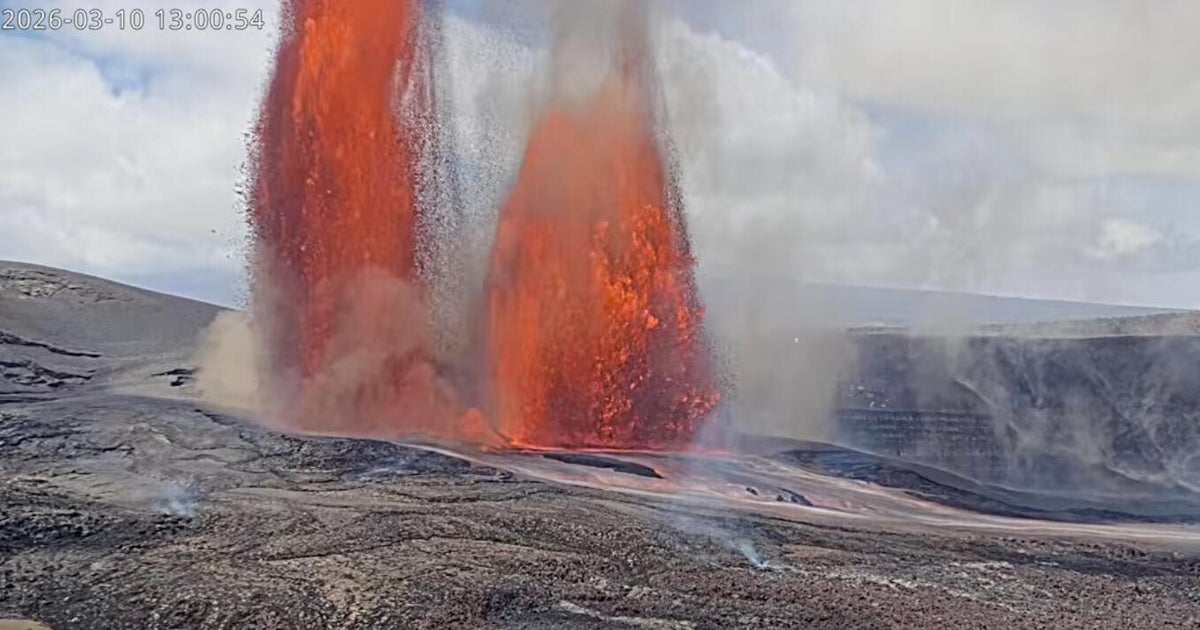
For over a year now, Hawaii’s Kilauea volcano has been treating both island residents and visitors to an incredible natural spectacle that seems like something out of a fantasy film. This week, the show reached new heights—literally—as fountains of molten lava shot an impressive 1,000 feet into the air on Tuesday morning. While the display is undeniably mesmerizing, it’s also creating some very real challenges for the communities living in the shadow of one of Earth’s most active volcanoes. The latest episode, marking the 43rd such event since the current eruption cycle began back in December 2024, has forced officials to temporarily close sections of Hawaii Volcanoes National Park and parts of Highway 11, a crucial transportation artery that helps people navigate around the Big Island. The culprit behind these closures isn’t the lava itself, but rather the glassy volcanic fragments and ash—collectively known as tephra—that rain down from the sky when these dramatic fountains erupt.
Understanding the Current Eruption and Its Magnitude
The eruption playing out at Kilauea is nothing short of remarkable in its persistence and variability. Live video feeds have captured two distinct fountains of brilliant red lava shooting skyward, accompanied by billowing clouds of smoke that create an otherworldly scene against the Hawaiian landscape. What makes this eruption particularly interesting to volcanologists and observers alike is its episodic nature—the volcano seems to follow its own rhythm, with some fountaining episodes lasting just a few hours while others continue for several days. Scientists currently can’t predict exactly how long each episode will last, making each new burst of activity a unique event. To put the sheer volume of material being expelled into perspective, one eruption last November released just under 11 million cubic yards of lava from deep within the volcano’s interior. That’s enough molten rock to fill an Olympic-sized swimming pool every five and a half seconds—a truly staggering amount that helps us understand the immense geological forces at work beneath Hawaii’s surface.
The Silver Lining: Lava Contained Within the Summit
Despite the dramatic nature of these eruptions, there’s significant good news for Big Island residents: the molten rock has remained confined within Kilauea’s summit crater, which sits inside Hawaii Volcanoes National Park. This containment means that homes, businesses, and other structures in surrounding communities aren’t facing the direct threat of advancing lava flows that have characterized some of Kilauea’s more destructive eruptions in the past. The volcano’s current behavior, while spectacular, represents a more manageable scenario for emergency planners and local authorities. However, “manageable” doesn’t mean “problem-free.” The lava fountains, while contained to the crater, create their own set of challenges that ripple outward to affect neighboring areas. The volcanic material being thrown high into the air doesn’t simply disappear—it comes back down as tephra, which includes various sizes of volcanic fragments and fine ash that can travel considerable distances from the eruption site depending on wind conditions and the height of the fountains.
Community Impact and Safety Measures
The falling tephra has prompted swift action from local and federal authorities to protect public safety. The temporary closures at Hawaii Volcanoes National Park make sense when you consider that the summit area—normally a major tourist attraction—sits right at ground zero for falling volcanic debris. Similarly, the partial closure of Highway 11 on both sides of the park reflects the very real danger that accumulating ash and larger volcanic fragments pose to motorists. This highway serves as an important route for residents and visitors traveling around the island, so its closure, even temporarily, creates significant disruption to daily life and commerce. In response to these challenges, Hawaii County officials have opened an emergency shelter at a local district gymnasium, available for both residents and tourists who find themselves stranded by road closures or directly impacted by ashfall. While the shelter stood empty shortly after opening—suggesting many people were able to find alternative arrangements—its availability represents an important safety net for those who might need it as the situation develops.
The Ashfall Warning and Health Concerns
The National Weather Service has issued an official ashfall warning, alerting people that more than a quarter-inch of ash accumulation is expected over Hawaii Volcanoes National Park and extending into areas to the southeast and southwest. While a quarter-inch might not sound like much, volcanic ash presents multiple health and practical hazards that residents need to take seriously. According to county health officials, volcanic tephra can irritate the eyes, skin, and respiratory system—particularly problematic for people with existing respiratory conditions like asthma. Beyond the immediate health concerns, the ash creates practical problems for Big Island residents, many of whom rely on water catchment systems to collect rainwater for household use. These systems are particularly common in more remote areas of the island where municipal water supplies aren’t available. The tephra can clog these catchment systems and contaminate the collected water, creating potential water security issues for affected households. Tom Callis, a county spokesperson, noted that during a previous fountaining episode, ashfall was so heavy in some communities that county civil defense workers had to be deployed to help residents clean up the thick coating of ash that covered homes and properties—a labor-intensive process that nobody wants to repeat but may become necessary once again.
Living with an Active Volcano: The Big Island Reality
Kilauea’s reputation as one of the world’s most active volcanoes isn’t just tourism marketing—it’s a geological fact that shapes daily life for everyone who calls the Big Island home. This latest eruption, which has now been producing periodic episodes for over a year, represents the ongoing relationship between Hawaii’s residents and the powerful geological forces that literally created the ground beneath their feet. While the current eruption has been relatively well-contained and hasn’t threatened populated areas with lava flows, it serves as a constant reminder that living in such a geologically active area requires awareness, preparation, and a certain acceptance of nature’s unpredictability. For visitors, these eruptions offer a once-in-a-lifetime opportunity to witness one of nature’s most powerful forces in action, safely observing from designated viewing areas when conditions permit. For residents, particularly those in communities closest to the volcano, it’s a more complex reality that mixes awe at nature’s power with practical concerns about ash cleanup, respiratory health, water system maintenance, and the economic impacts of road closures and tourism disruptions. As scientists continue to monitor Kilauea’s activity through various instruments and visual observations, the volcano reminds us that Earth is still very much a dynamic, living planet where change happens not over millions of years but right before our eyes—sometimes shooting 1,000 feet into the air in a fountain of molten rock.