

CDC Vaccine Committee Chair Sparks Controversy Over Vaccine Recommendations
A Shift Toward Individual Choice in Public Health
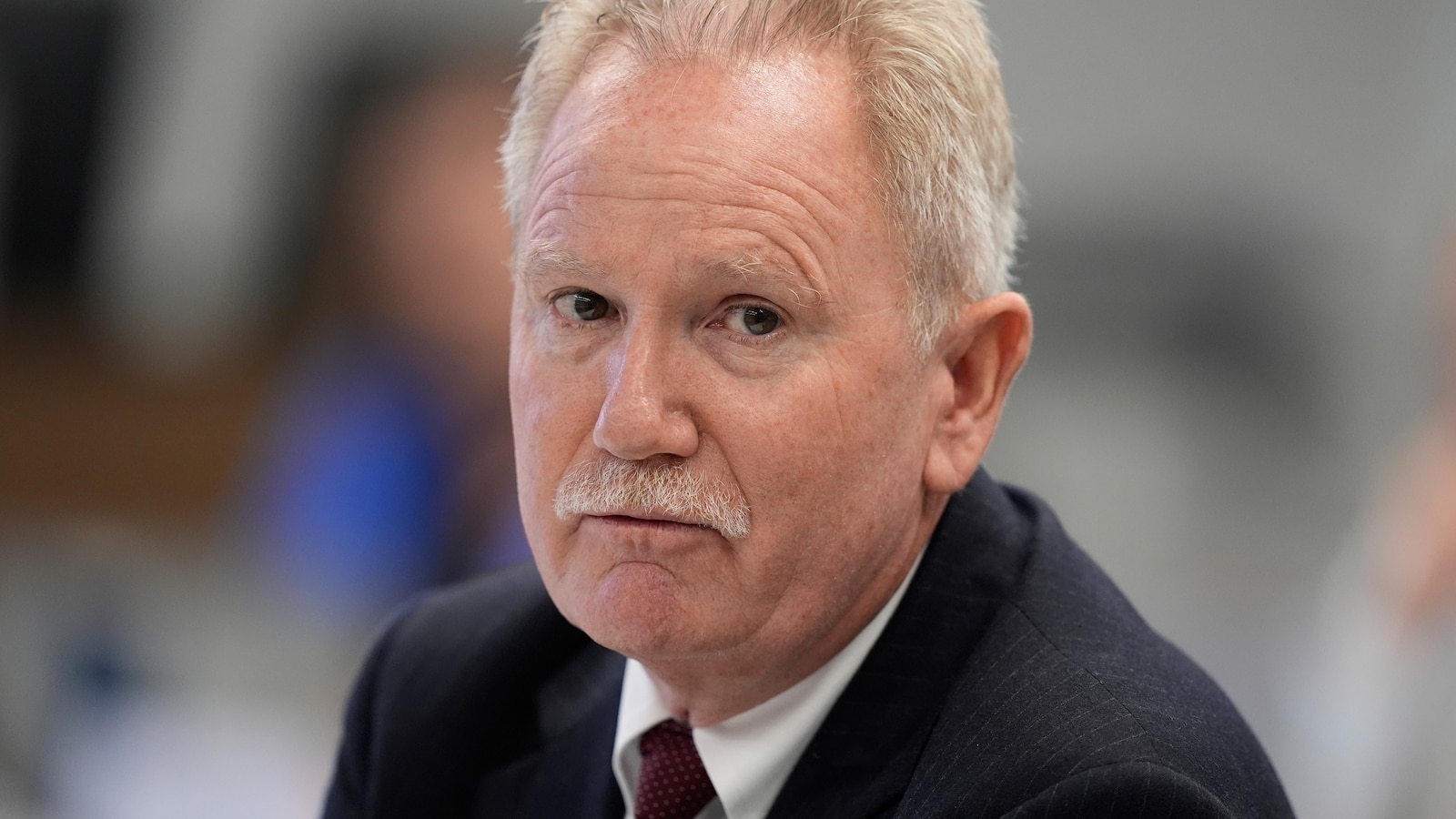
Dr. Kirk Milhoan, the newly appointed chair of the Centers for Disease Control and Prevention’s Advisory Committee on Immunization Practices (ACIP), has ignited a firestorm of debate within the medical community by questioning whether broad vaccine recommendations and mandates are still necessary for diseases like polio and measles. Appointed to this influential position by Health Secretary Robert F. Kennedy Jr. last month, the pediatric cardiologist made waves during his appearance on the podcast “Why Should I Trust You?” when he suggested that vaccine decisions should rest primarily with patients and their doctors rather than being dictated through government mandates. Milhoan’s central argument revolves around the idea that mandates have actually backfired, contributing to increased vaccine hesitancy rather than improving public health outcomes. He specifically questioned whether every recommended vaccine should be mandatory for kindergarten enrollment, arguing instead for an individualized approach based on each child’s unique circumstances. This philosophy represents a significant departure from the traditional public health stance that has relied on widespread vaccination programs to maintain community immunity and prevent disease outbreaks.
Questioning Polio and Measles Vaccination in Modern America
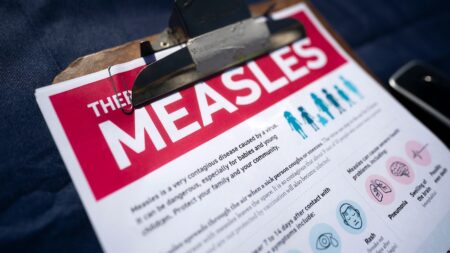
During the candid interview, Milhoan raised eyebrows by suggesting that Americans might reconsider the necessity of the polio vaccine in today’s context, arguing that the United States is in a fundamentally different position now compared to the 1950s when the first polio vaccine was distributed and wild poliovirus was still circulating. He pointed to improved sanitation, different disease risk profiles, and the current state of herd immunity as factors that should be weighed when evaluating whether the risks of vaccination outweigh the benefits. Currently, the CDC recommends that children receive four doses of the polio vaccine at specific intervals, and every U.S. state requires this vaccination for public school attendance. Similarly, Milhoan questioned the continued necessity of the measles, mumps, and rubella (MMR) vaccine, suggesting that measles cases were already declining before the vaccine’s introduction and that modern hospitals are better equipped to treat measles patients than in previous decades. These comments come at a particularly concerning time, as the United States experienced its highest number of measles cases in 33 years in 2024, with 2,255 infections reported, and saw its first measles deaths in over a decade, including two unvaccinated school-aged children in Texas and one unvaccinated adult in New Mexico.
Medical Experts Push Back Against Milhoan’s Claims
Dr. Paul Offit, director of the Vaccine Education Center at Children’s Hospital of Philadelphia and a respected voice in infectious disease medicine, described Milhoan’s comments as “frightening” and said they contain several ideas that are “directly averse to the health of children in this country.” Offit specifically challenged Milhoan’s understanding of polio epidemiology, explaining that improved sanitation actually increased the severity of polio cases rather than decreasing them, as many people might assume. The reason for this counterintuitive phenomenon is that better sanitation delayed children’s first exposure to the poliovirus until after the protective antibodies passed down from their mothers had worn off, making them more susceptible to the paralytic form of the disease. Offit expressed concern that someone in Milhoan’s influential position appears not to understand this fundamental aspect of polio’s history. Regarding measles treatment, Offit flatly contradicted Milhoan’s assertion that doctors have become better at treating severe measles cases, noting that no new treatments have been developed in the six decades since the first measles vaccine became available. The tools available today—oxygen, ventilation, and intravenous fluids—are the same ones that existed in the 1960s, and the mortality rate remains unchanged at one to three deaths per thousand infected children. The American Medical Association and other major medical organizations have also criticized Milhoan’s statements, expressing alarm at the potential public health implications of such views coming from someone in a leadership position at the CDC’s vaccine advisory committee.
The Individual Autonomy Versus Community Protection Debate
One of the most revealing exchanges during the podcast came when co-host Tom Johnson posed a challenging ethical question to Milhoan: What happens when one parent’s decision not to vaccinate their child results in that child infecting an immunocompromised child who cannot be vaccinated? This question gets to the heart of the tension between individual medical freedom and community health protection. Milhoan’s response was to flip the scenario, asking what responsibility exists when a child is vaccinated to protect an immunocompromised individual but then experiences an adverse reaction from that vaccine. This response reveals Milhoan’s fundamental philosophy that individual autonomy should be the primary consideration, even when it potentially conflicts with broader public health goals. He emphasized that the ACIP under his leadership is focused on “returning individual autonomy” to restore trust in public health, suggesting that decades of vaccine mandates have eroded that trust. This perspective represents a significant philosophical shift from traditional public health approaches, which have historically prioritized community immunity and the protection of vulnerable populations who cannot be vaccinated due to medical conditions. The tension between these two values—individual medical freedom and collective protection—has always existed in vaccine policy, but Milhoan’s comments suggest a recalibration toward prioritizing individual choice, even at the potential expense of herd immunity.
Concerns About Vaccine Safety Research and Surveillance
Perhaps even more concerning to many public health experts was Milhoan’s assertion that vaccines are not adequately studied for safety, claiming that research has focused primarily on efficacy rather than on potential adverse effects. He dismissed current vaccine safety surveillance and monitoring systems as “very poor,” expressing deep skepticism about the infrastructure used to detect and evaluate potential vaccine safety signals. This criticism extends to established scientific processes, as evidenced by his response when a podcast host suggested that ACIP would be reviewing reports, files, and data based on established science. Milhoan replied bluntly, “That’s not science,” and added, “Science is what I observe.” This statement suggests a preference for personal observation and clinical experience over large-scale epidemiological data and systematic reviews of scientific literature, which have been the foundation of evidence-based medicine. Such a philosophical stance from the chair of the nation’s primary vaccine advisory committee has raised alarms among researchers and public health officials who rely on rigorous, peer-reviewed studies involving thousands or millions of participants to make policy recommendations. The current vaccine safety monitoring system includes multiple components, including the Vaccine Adverse Event Reporting System (VAERS), the Vaccine Safety Datalink, and post-licensure studies, all designed to detect rare adverse events that might not appear in pre-licensure clinical trials. Milhoan’s characterization of these systems as inadequate suggests he may push for significant changes in how vaccine recommendations are developed and communicated.
Defense and Implications for Public Health Policy
In the aftermath of the podcast’s release and the subsequent media coverage, the Independent Medical Alliance—a group that promoted unproven treatments during the COVID-19 pandemic—issued a statement defending Milhoan against what they characterized as attacks from news organizations. The statement emphasized Milhoan’s credentials as an accomplished pediatric cardiologist and former U.S. Air Force physician, and stressed that he is not anti-vaccine and does not deny the historical success of vaccines like those for polio and smallpox. Instead, the statement framed Milhoan’s position as simply advocating for constitutional protections against government intrusion into personal medical decisions, arguing that he is not calling for bans, rollbacks, or mass vaccine refusals, but rather for empowering patients to make decisions in consultation with their doctors. However, critics worry that this seemingly reasonable position fails to account for the fundamental nature of infectious diseases, which do not respect individual choice but spread through communities based on mathematical principles of transmission and immunity. The implications of Milhoan’s leadership of ACIP could be far-reaching, potentially affecting not just vaccine recommendations but also state-level school entry requirements and public confidence in immunization programs. As vaccine-preventable diseases like measles continue to see resurgence in the United States after decades of control, public health officials are watching closely to see whether the committee’s recommendations will change under Milhoan’s leadership, and what effect any such changes might have on disease rates, particularly among children. The controversy highlights the ongoing struggle between traditional public health approaches emphasizing community protection through high vaccination rates and newer movements emphasizing individual medical freedom and skepticism of institutional recommendations.