
Helping Children Navigate War: A Guide for Parents and Caregivers
Understanding Children’s Exposure to Global Conflict
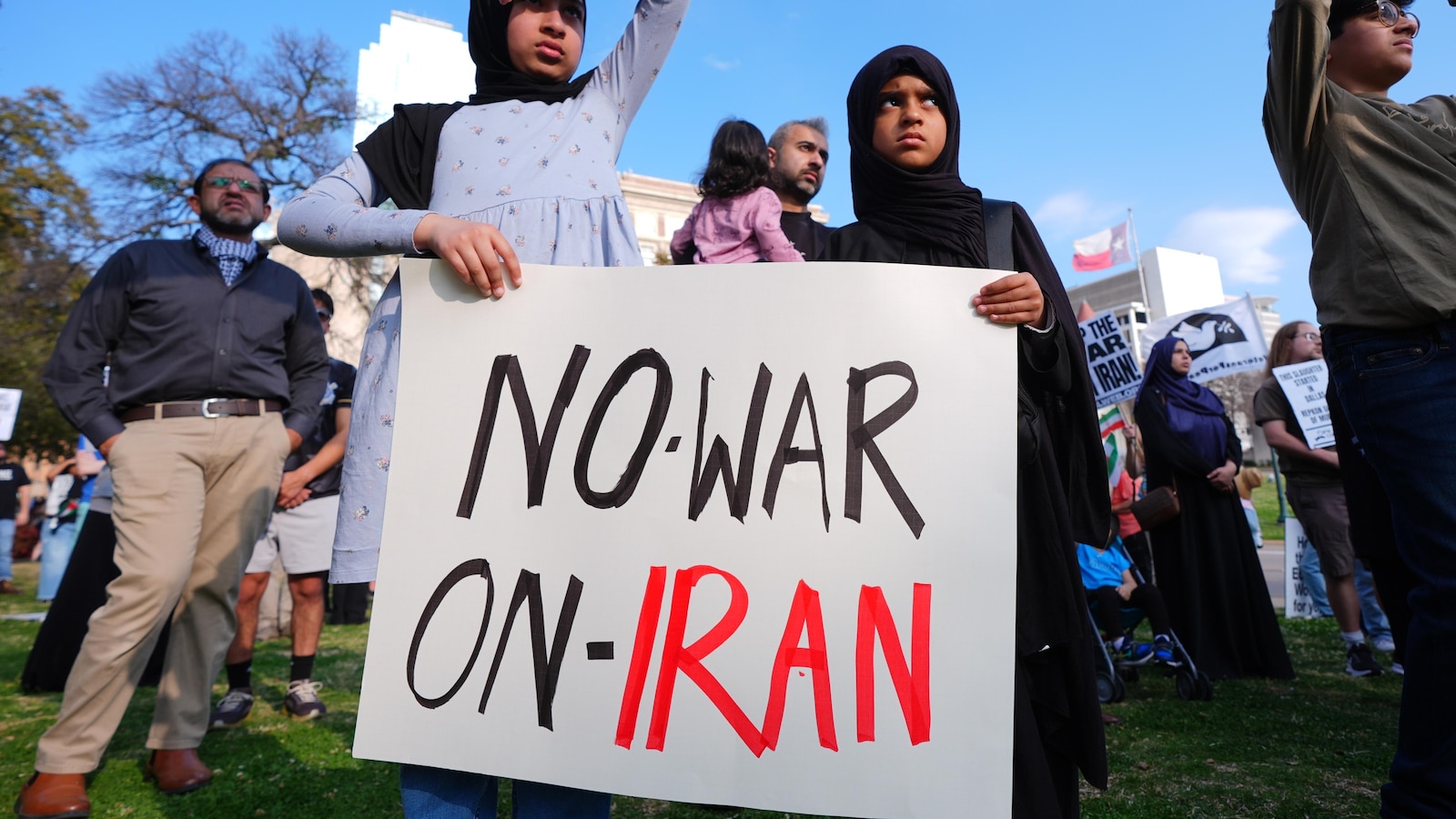
In today’s interconnected world, children are increasingly exposed to images and discussions of war and conflict, whether through social media, news coverage, or conversations they overhear among adults. The current escalating tensions in the Middle East, along with ongoing conflicts in Ukraine, Sudan, and other regions, present complex situations that can be difficult for young minds to comprehend. Even when children are geographically distant from these conflicts, experts warn that indirect exposure can significantly impact their emotional well-being, thoughts, and behavior patterns.
Rebecca Smith, the global head of child protection at Save the Children, emphasizes that avoiding difficult conversations doesn’t make the reality disappear from children’s lives. Many adults mistakenly believe that by not discussing troubling events, they can shield children from distress. However, this approach often backfires, leaving children feeling isolated, confused, and frightened. When adults fail to acknowledge what’s happening in the world, children may internalize their fears and anxieties without the tools to process these emotions healthily. Open, honest dialogue becomes essential in helping young people make sense of the troubling events they’re witnessing and experiencing.
Starting the Conversation: What Do Children Already Know?
Before diving into explanations or attempting to address fears, experts recommend that parents and caregivers first assess what children already understand about current events. Some children may have limited awareness of conflicts in places like Gaza, Israel, Iran, Ukraine, or Sudan, while others might know considerably more than their families realize and may be suppressing their emotions. The level of awareness can vary dramatically depending on a child’s age, access to media, and proximity to affected regions.
For children actually living in or visiting Middle Eastern countries directly impacted by recent escalations, the reality is far more immediate and terrifying. These children have witnessed missiles lighting up the night sky, may personally know people who have been killed, or have been forced to flee their homes. As Smith points out, for many children now seeing weapons in the skies above them, this represents an entirely new and frightening experience that fundamentally disrupts their sense of safety and security. What once felt stable in their young lives suddenly becomes uncertain and threatening, requiring careful support from the adults around them.
Understanding what children know and what they’ve been exposed to allows caregivers to tailor their approach appropriately. It prevents the mistake of either overwhelming children with too much information or underestimating their awareness and leaving important questions unaddressed. This initial assessment creates a foundation for meaningful conversation that meets children where they are emotionally and developmentally.
Creating Safe Spaces for Expression While Respecting Boundaries
When engaging children in conversations about war and conflict, adults must first ensure they’re emotionally prepared for these discussions themselves. The National Child Traumatic Stress Network advises that caregivers take care of their own mental health, as their emotional state directly affects their ability to support children effectively. When adults share their own feelings appropriately, it provides an opportunity to convey personal values about compassion, peace, and how we should treat others during difficult times. However, the critical principle is never to assume what children are thinking or feeling without giving them space to express themselves.
Not all children will be ready or willing to talk about what’s happening, and experts stress the importance of respecting these boundaries. Child psychologist Nataliia Sosnovenko, who works with Voices of Children in Ukraine providing psychological support to young people affected by the war with Russia, emphasizes that children have the right to refuse communication. They may have feelings and internal states they’re not yet ready to share, and pushing them to open up before they’re ready can be counterproductive. Adults should remain patient, consistently reassuring children that they’re available whenever the child feels ready to talk.
When children do choose to share what they’ve seen, heard, or how they’re feeling, this becomes a crucial moment for adults to validate their emotions and provide honest, age-appropriate information. The American Psychological Association recommends giving children basic information about war and conflict while addressing any upsetting images or conversations they’ve encountered. The key is providing enough information to address their concerns without introducing unnecessary details that might heighten anxiety. Parents ultimately know their children best and can judge what level of information is appropriate for their individual child’s age and emotional maturity.
Age-Appropriate Approaches and Managing Exposure
Different age groups require different approaches when discussing war and conflict. Very young children may grasp the basic concept that two countries are fighting but lack the cognitive ability to distinguish between what they see on screens and what’s happening in their immediate environment. For children in countries like the United States, far from actual conflict zones, wars in the Middle East or Eastern Europe can seem much closer than they actually are when they’re constantly exposed to images on television or social media. These younger children need clear reassurance about their personal safety and may benefit from limited exposure to news coverage altogether.
Older children and teenagers typically have a more sophisticated understanding of war and its consequences, which means they may experience deeper concern and have more complex questions. For this age group, the American Psychological Association suggests focusing on what’s within their control and providing opportunities for agency. This might include supporting humanitarian efforts, staying informed through reliable sources, learning to identify and address misinformation, or finding constructive ways to express their feelings about global events.
Parents and caregivers are encouraged to carefully monitor and limit children’s exposure to news coverage, particularly for younger children. Some experts recommend switching off news broadcasts entirely or limiting adult conversations about distressing events when children can overhear. However, others see these moments as opportunities to educate children about media literacy—teaching them where to find accurate information, how to identify misleading or false content, and the importance of responsible news consumption. Save the Children advises that caregivers model responsible digital behavior, encourage children not to share harmful or graphic content, and remind them to think carefully before spreading potentially inaccurate or emotionally triggering information.
Addressing Specific Family Circumstances and Uncertainties
Families with loved ones in affected regions face additional challenges and may need to dedicate extra time to discussing the safety of relatives and friends, along with the difficulty of living with uncertainty. These conversations require particular sensitivity, as children may feel anxious about people they care about while having no control over their safety. Honesty about what’s known and unknown, combined with reassurance about what’s being done to stay connected and informed, can help children process these complex emotions.
For families actually living in conflict zones, the situation is even more acute. Experts from Save the Children recommend having simple, practical safety plans in place for what to do if family members become separated, and practicing these plans calmly so children know what to expect without creating additional panic. Nora Ingdal, Save the Children’s Lebanon Country Director, shared a poignant example of families seeking refuge in a brick school building, where a young daughter clung to her mother asking why people were fighting and when they could go home. The mother, lacking answers, looked to Ingdal for guidance. Her response highlighted an important truth: it’s acceptable to admit when we don’t have all the answers, as long as we reassure children of our presence and support.
UNICEF, the United Nations agency providing humanitarian aid to children worldwide, emphasizes that adults shouldn’t feel pressured to have perfect answers to every question children ask. Sometimes the most honest and helpful response is acknowledging uncertainty while reaffirming commitment to the child’s safety and well-being. This approach teaches children that it’s normal not to have all the answers and models how to cope with uncertainty in healthy ways.
The Importance of Professional Support and Long-Term Perspective
For children living in active conflict zones, the psychological challenges extend beyond individual traumatic events to encompass the reality of growing up knowing nothing but war. Nataliia Sosnovenko notes that many children in Ukraine have no memory of peacetime and cannot simply disconnect from what’s happening around them. In these circumstances, professional psychological support becomes not just helpful but essential in supplementing family conversations and education.
Sosnovenko observes that the psychological culture in Ukraine has evolved during the war, with more people recognizing the importance of therapy and professional mental health support. The types of families seeking help have changed as awareness has grown that psychological assistance isn’t just for severe cases but can benefit most people, including children, during prolonged periods of stress and uncertainty. This normalization of mental health support represents a positive shift that can help children develop healthier coping mechanisms and resilience.
The conversations parents and caregivers have with children about war and conflict are not one-time events but ongoing dialogues that evolve as situations change and as children grow and develop new levels of understanding. By creating safe spaces for children to express their feelings, providing age-appropriate information, limiting unnecessary exposure to disturbing content, acknowledging uncertainty when appropriate, and seeking professional help when needed, adults can help children navigate these difficult realities. While we cannot shield children completely from the knowledge that conflict exists in our world, we can equip them with the emotional tools and support systems they need to process these realities in healthy ways that don’t overwhelm their developing minds and spirits. In doing so, we not only help them cope with current events but also teach valuable lessons about compassion, resilience, and our shared humanity.