
Doctors Without Borders Faces Crisis as 26 Staff Members Missing After South Sudan Attacks
A Month-Long Search in the Midst of Chaos
The humanitarian world is holding its breath as Doctors Without Borders, internationally known by its French acronym Médecins Sans Frontières (MSF), continues searching for more than two dozen staff members who vanished following brutal attacks on their medical facilities in South Sudan. It has been a full month since the violence erupted on February 3rd in Jonglei State, a region located northeast of the capital city of Juba, and the fate of these dedicated healthcare workers remains unknown. The attacks weren’t isolated incidents but part of a larger pattern of violence that has turned the lives of approximately 280,000 people upside down since December, forcing them to flee their homes in search of safety. The humanitarian crisis unfolding in this corner of South Sudan represents one of the most challenging situations facing international aid organizations today, with medical workers caught directly in the crossfire of a conflict that shows no signs of abating.
The Attacks That Changed Everything
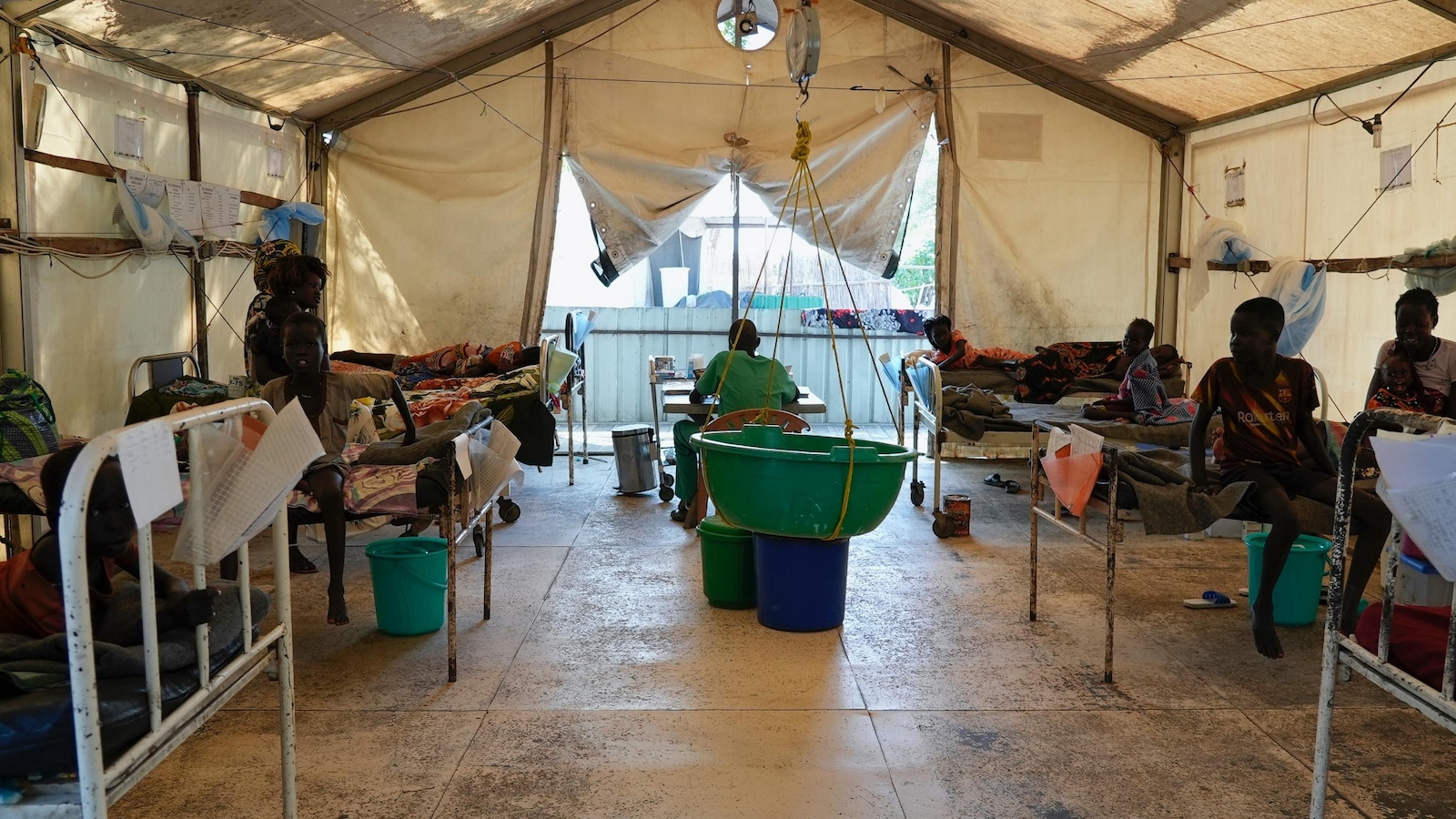
The events of February 3rd struck a devastating blow to healthcare services in two communities that desperately needed them. In the town of Lankien, government forces conducted an aerial bombardment on an MSF hospital, raining destruction down on a facility that had been providing life-saving medical care to a vulnerable population. Meanwhile, in the nearby town of Pieri, unknown assailants raided another MSF medical facility, creating chaos and forcing everyone to flee for their lives. What makes these attacks particularly troubling is that both facilities were located in opposition-held areas, suggesting they may have been deliberately targeted because of their geographic location rather than their humanitarian mission. When the violence erupted, the 291 MSF staff members working at these two locations had no choice but to abandon their posts and run alongside the local population they had been serving. They fled into deeply rural areas where the dangers didn’t end—armed clashes continued to rage, and aerial bombardments threatened anyone who remained. In the confusion and terror of that moment, 26 staff members became separated from their colleagues, and in the weeks since, MSF has been unable to establish contact with them.
The Agonizing Wait and Limited Information
In a statement released on Monday, MSF acknowledged the heart-wrenching reality they’re facing: of the 291 colleagues who were working in Lankien and Pieri when the attacks occurred, 26 remain missing, their whereabouts and condition unknown. “We have lost contact with them amid ongoing insecurity,” the organization stated, a simple sentence that carries the weight of tremendous anxiety and fear for the safety of these humanitarian workers. The challenges of locating these missing staff members are compounded by the harsh realities of the region where they disappeared. Much of Jonglei State has extremely limited network connectivity, making communication nearly impossible even under normal circumstances. In the midst of active conflict, with people scattered and hiding in remote areas, the difficulties multiply exponentially. However, MSF has managed to make contact with some of the staff who fled, and the stories they’re telling paint a grim picture. Those who have been reached describe scenes of widespread destruction, ongoing violence, and conditions of extreme hardship as they try to survive in hiding while the conflict continues around them.
The Broader Context of Violence and Displacement
To understand the full scope of this crisis, it’s essential to look at the larger conflict that has engulfed this region of South Sudan. The violence escalated dramatically in December when opposition forces launched a successful offensive, capturing a series of government outposts throughout north central Jonglei. This string of military victories shifted the balance of power in the region, but it didn’t last long. In January, government forces responded with a massive counteroffensive designed to reclaim the territory they had lost, and they succeeded in retaking most of the areas that had fallen to opposition control. This back-and-forth fighting has created a nightmare scenario for civilians caught in the middle. The town of Akobo, an opposition-held area near the Ethiopian border, has become a gathering place for displaced people fleeing the violence, and the stories they bring with them are horrifying. Survivors describe brutal violence carried out by government fighters, attacks that have traumatized entire communities. Many of these displaced people walked for days through dangerous territory, often without adequate food or water, driven by the simple need to reach somewhere safer. Their testimonies provide a window into the human cost of this conflict, showing how ordinary people are paying the price for political and military struggles beyond their control.
A Disturbing Pattern of Attacks on Humanitarian Work
What happened in Lankien and Pieri on February 3rd wasn’t an aberration—it was part of a deeply troubling trend that has aid organizations around the world raising alarm bells. According to MSF and other humanitarian groups, there has been a significant uptick in violence directed at humanitarian staff, supplies, and infrastructure throughout the region. The numbers are staggering and sobering: MSF facilities alone have been attacked ten times in the last twelve months. This pattern suggests that medical facilities and humanitarian workers are no longer being respected as neutral parties in conflicts, despite international laws and conventions that are supposed to protect them. Yashovardhan, the MSF head of mission in South Sudan who uses only one name, expressed the profound impact these attacks are having on both the healthcare system and the people who keep it functioning. “This violence has taken an unbearable toll not only on health care services, but on the very people who kept them running,” he said, his words reflecting the frustration and grief felt by humanitarian workers who risk their lives to help others, only to find themselves targeted. The attacks don’t just harm individual workers—they destroy the medical infrastructure that entire communities depend on for survival, creating ripples of suffering that extend far beyond the immediate victims.
The Plea for Protection and the Uncertain Road Ahead
Yashovardhan’s statement included a fundamental principle that seems to be increasingly ignored in conflicts around the world: “Medical workers must never be targets.” This simple declaration reflects international humanitarian law, which is supposed to protect healthcare workers and facilities during armed conflicts, recognizing that medical care is a human right that transcends political boundaries and military objectives. Yet the reality on the ground in South Sudan tells a different story, one where hospitals are bombed and clinics are raided, where the people providing medical care are forced to flee or go missing. “We are deeply concerned about what has happened to our colleagues and the communities we serve,” Yashovardhan added, capturing the dual tragedy of this situation—both the missing staff members and the communities that have now lost access to essential medical services. As MSF continues its search for the 26 missing workers, the organization faces difficult questions about how to continue providing healthcare in such a dangerous environment. The courage of humanitarian workers who continue operating in conflict zones deserves recognition, but so does the urgent need for all parties in conflicts to respect the protected status of medical facilities and personnel. The international community watches and waits for news of the missing MSF workers, hoping for their safe return while recognizing that their disappearance represents a larger crisis in how humanitarian work is being threatened in conflict zones around the world. Until these workers are found and the violence against healthcare providers ends, the people of South Sudan will continue to suffer not just from conflict, but from the collapse of the medical systems they desperately need to survive.