


Major Healthcare Strike Impacts Kaiser Permanente Facilities Across California and Hawaii
Massive Walkout Reflects Growing Healthcare Worker Concerns
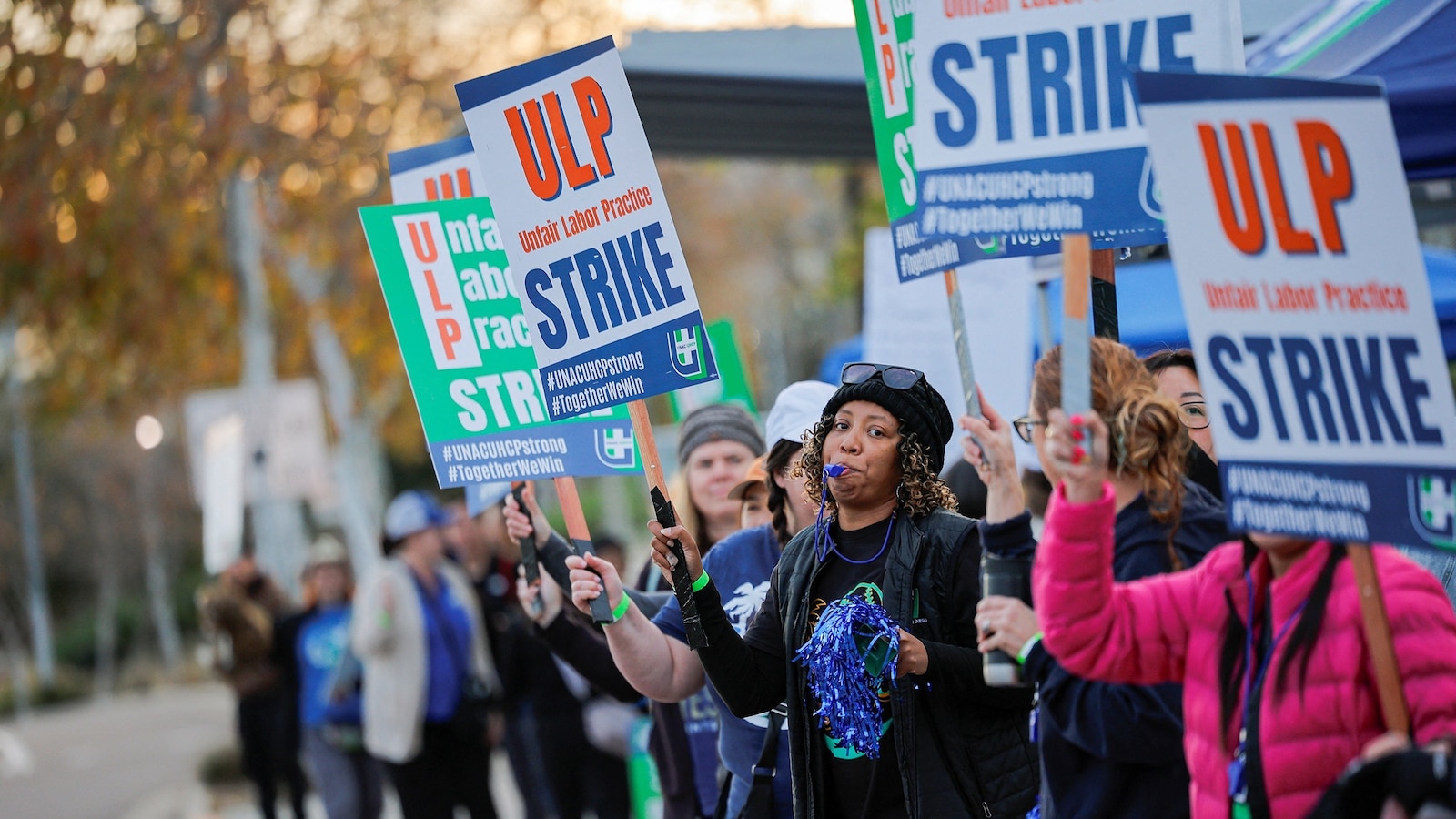
In what has become the largest healthcare strike of the year, more than 31,000 nurses and healthcare professionals at Kaiser Permanente facilities walked off the job on Monday morning, creating significant disruptions across California and Hawaii. The strike, which began at 7 a.m. Pacific Time, affected at least two dozen hospitals and hundreds of clinics operated by the nonprofit healthcare giant. These workers, represented by the United Nurses Associations of California/Union of Health Care Professionals (UNAC/UHCP), are taking a stand on issues they say affect not just their own working conditions, but the quality of care their patients receive. The scale of this action reflects deeper frustrations that have been simmering in the healthcare industry for years, particularly as workers face increasing pressures and what they describe as inadequate support from their employers. This strike represents more than just a labor dispute—it’s a symptom of what many healthcare workers see as a crisis in how America’s medical facilities are staffed and operated.
The Heart of the Dispute: Staffing, Wages, and Working Conditions
At the core of this labor action are concerns about safe staffing levels, fair compensation, and the sustainability of healthcare careers. Union representatives argue that many Kaiser facilities are currently experiencing serious staffing shortages that aren’t just inconvenient—they’re dangerous. According to the union, these shortages are leading to delays in patient care and increasing the risk of medical errors, while simultaneously contributing to severe burnout among existing staff and high turnover rates. It’s a vicious cycle: inadequate staffing leads to overworked employees, which leads to more people leaving the profession, which further exacerbates the staffing problem. Beyond staffing concerns, the union claims that Kaiser is pushing for wage cuts and reductions in benefits and retirement packages, including active medical coverage and pension benefits. For workers who have dedicated their careers to caring for others, these proposed cuts feel like a betrayal, especially when they’re being asked to do more with less. Charmaine Morales, president of UNAC/UHCP, emphasized the disconnect between management’s messaging and workers’ reality, stating that instead of addressing unsafe staffing and patient care concerns, Kaiser has been pressuring workers not to strike and encouraging employees to report one another—tactics the union characterizes as intimidation.
Negotiations at a Standstill and Allegations of Bad Faith
The relationship between Kaiser Permanente and its nursing staff has deteriorated significantly despite months of attempted negotiations. The two sides have been at the bargaining table since May, but progress has stalled to the point where the union felt compelled to file an unfair labor practice charge with the National Labor Relations Board. This charge, filed in December, accuses Kaiser of walking away from negotiations altogether, effectively abandoning the established national bargaining process. The union argues that Kaiser’s approach represents more than just hard bargaining—they claim it constitutes unfair labor practices designed to undermine the collective bargaining process itself. Adding fuel to the fire, UNAC/UHCP released a report earlier this month that raises questions about Kaiser’s financial priorities and ethical practices. The report accuses the nonprofit healthcare system of generating net income and surplus well above what would be traditional or expected for an organization of its type. Perhaps most controversially, the union’s report also criticized Kaiser for allegedly investing in private prisons and Immigration and Customs Enforcement (ICE) detention centers, investments that Morales and other union leaders say raise “urgent ethical questions” about the organization’s values and priorities. “Kaiser isn’t strapped for resources. It’s making choices—and those choices are hurting people. It’s time for accountability,” Morales stated, highlighting the union’s position that this isn’t about Kaiser’s inability to meet workers’ demands, but rather about where the organization chooses to allocate its resources.
Kaiser’s Response: Defending Their Position
Kaiser Permanente has pushed back firmly against the union’s characterization of the dispute, framing the strike as unnecessary given what they describe as a generous offer currently on the table. In their statement, Kaiser officials emphasized their recent agreement to return to local bargaining and expressed disappointment that the strike proceeded despite this development. The healthcare system’s position is that the strike is fundamentally about wages, not the patient safety and staffing concerns the union emphasizes. From Kaiser’s perspective, the strike is “designed to disrupt the lives of our patients—the very people we are all here to serve,” suggesting that the union is using patients as leverage in a wage dispute. Kaiser also contextualized its position within the broader challenges facing American healthcare, noting that as healthcare costs continue to rise nationwide, many Americans are at risk of losing access to health insurance altogether. The organization says it’s trying to balance fair and competitive compensation for staff with maintaining affordability for the patients they serve—a delicate balancing act in an increasingly expensive healthcare landscape. Kaiser assured the public that all of its hospitals and nearly all of its medical offices would remain open during the strike, with contingency plans in place to minimize disruptions. However, they acknowledged that some in-person appointments might need to be shifted to virtual formats, and some appointments, elective surgeries, and procedures might need to be rescheduled.
A Pattern of Labor Actions in Healthcare
This strike doesn’t exist in isolation—it’s part of a broader wave of labor activism sweeping through the healthcare industry. Kaiser workers previously went on strike in October, with thousands participating in a five-day walkout across California and Hawaii over the same fundamental issues: safer staffing levels and fair compensation. The fact that workers felt compelled to strike again just a few months later suggests that their previous action didn’t produce the changes they were seeking. The Kaiser strike is also happening against the backdrop of what’s been described as the largest nursing strike in New York City’s history, where nearly 15,000 nurses have walked off the job at five hospitals across the city. That strike, which began two weeks before the Kaiser action, has shown some signs of progress, with the New York State Nurses Association reporting that at least two hospitals have agreed to maintain health benefits for nurses. However, New York nurses have indicated they’ll continue striking until at least tentative contract agreements are reached on all outstanding issues. These simultaneous labor actions across the country signal that healthcare workers have reached a breaking point. Years of what they describe as inadequate staffing, increasing workloads, and insufficient support have created an environment where strikes—once relatively rare in the healthcare industry—are becoming more common as workers decide that dramatic action is necessary to force change.
What This Means for Patients and the Future of Healthcare
For patients who rely on Kaiser Permanente facilities, this strike creates immediate concerns about access to care and appointment availability, even with Kaiser’s contingency plans in place. But the deeper implications extend far beyond temporary inconveniences. The issues at the heart of this dispute—staffing levels, worker burnout, and the financial sustainability of quality healthcare—affect every American who interacts with the medical system. When nurses and healthcare workers say facilities are dangerously understaffed, they’re raising concerns about the quality and safety of care that all of us might one day need. When they talk about burnout and turnover, they’re highlighting a workforce crisis that threatens the future availability of skilled medical professionals. This strike forces uncomfortable questions about how we value healthcare workers and what we’re willing to invest in maintaining a robust healthcare system. Are adequate staffing levels and fair compensation for healthcare workers luxuries we can’t afford, or are they essential elements of a functioning medical system? Is it reasonable for a nonprofit healthcare organization to generate substantial surpluses while workers claim they lack the resources needed to provide safe care? As both sides dig in, the resolution of this strike may set precedents that ripple through the healthcare industry. Whether Kaiser and the union can find common ground, and what that agreement looks like if they do, will send signals to healthcare workers and administrators across the country about what’s possible when workers organize and demand change. For now, thousands of nurses and healthcare professionals stand on picket lines, hoping their sacrifice will lead to better working conditions and, ultimately, better care for the patients they’ve dedicated their careers to serving.