


New Research Shows Salt Reduction Could Save Thousands of Lives
The Hidden Danger in Our Daily Meals
Two groundbreaking studies published in the medical journal Hypertension have revealed something that might surprise many people: simply reducing the amount of salt in everyday packaged and prepared foods could prevent thousands of heart attacks, strokes, and premature deaths. These aren’t just theoretical numbers on paper—they represent real people who could live longer, healthier lives if food manufacturers made modest changes to their recipes. The research, conducted in France and the United Kingdom, examined what happens when countries take a coordinated approach to lowering sodium levels in the foods lining grocery store shelves and served in restaurants. What they found offers hope for addressing one of the most widespread but overlooked health challenges facing modern societies: our excessive consumption of salt hidden in processed foods.
The studies looked at two different countries where major food companies have quietly been reducing salt content in their products over time. In France, researchers crunched the numbers on national diet and health data and discovered something remarkable: even a modest decrease in the amount of salt used in bread—one of the most commonly consumed foods—could have widespread health benefits. Their calculations showed that reducing bread’s salt content could lower the average adult’s daily salt intake by about 0.35 grams, which might not sound like much, but when multiplied across millions of people eating bread daily, the impact becomes significant. This small change alone could lower blood pressure readings across the population and potentially prevent more than 1,100 deaths each year. Meanwhile, researchers in the United Kingdom examined the potential impact of similar salt reductions across a broader range of packaged foods and takeout meals. Their findings were even more striking: lowering sodium levels in these foods could reduce British sodium intake by 17.5% and, over a 20-year period, prevent more than 100,000 cases of heart disease and 25,000 strokes.
Understanding Why Salt Matters So Much
Sodium isn’t inherently bad—in fact, it plays several vital roles in keeping our bodies functioning properly. It helps regulate the amount of water in our blood vessels and assists with nerve and muscle function. The problem isn’t sodium itself but the sheer quantity most people consume without realizing it. According to the American Heart Association, approximately 90% of Americans eat far more sodium than their bodies actually need. When we consume excessive amounts of salt over time, it raises our blood pressure, forcing our hearts to work harder with every beat. High blood pressure isn’t just a number on a medical chart; it’s a significant risk factor that opens the door to serious health problems including cardiovascular disease, which remains the leading cause of death in many developed countries, chronic kidney disease that can eventually require dialysis, and even cognitive decline as we age, potentially contributing to conditions like dementia.
The scale of this problem becomes clearer when we look at actual consumption numbers. The average American adult consumes approximately 3,500 milligrams of sodium every single day. To put that in perspective, the American Heart Association recommends limiting sodium intake to no more than 2,300 milligrams daily—roughly equivalent to one teaspoon of table salt. That means the typical American is consuming more than 50% above the recommended maximum. For people who already have high blood pressure, the recommended limit is even stricter at just 1,500 milligrams per day. Dr. Latha Palaniappan, associate dean for research at Stanford University School of Medicine, emphasizes these numbers because they highlight just how far off track our collective diet has become from what our bodies actually need to function optimally.
Where All This Salt Is Coming From
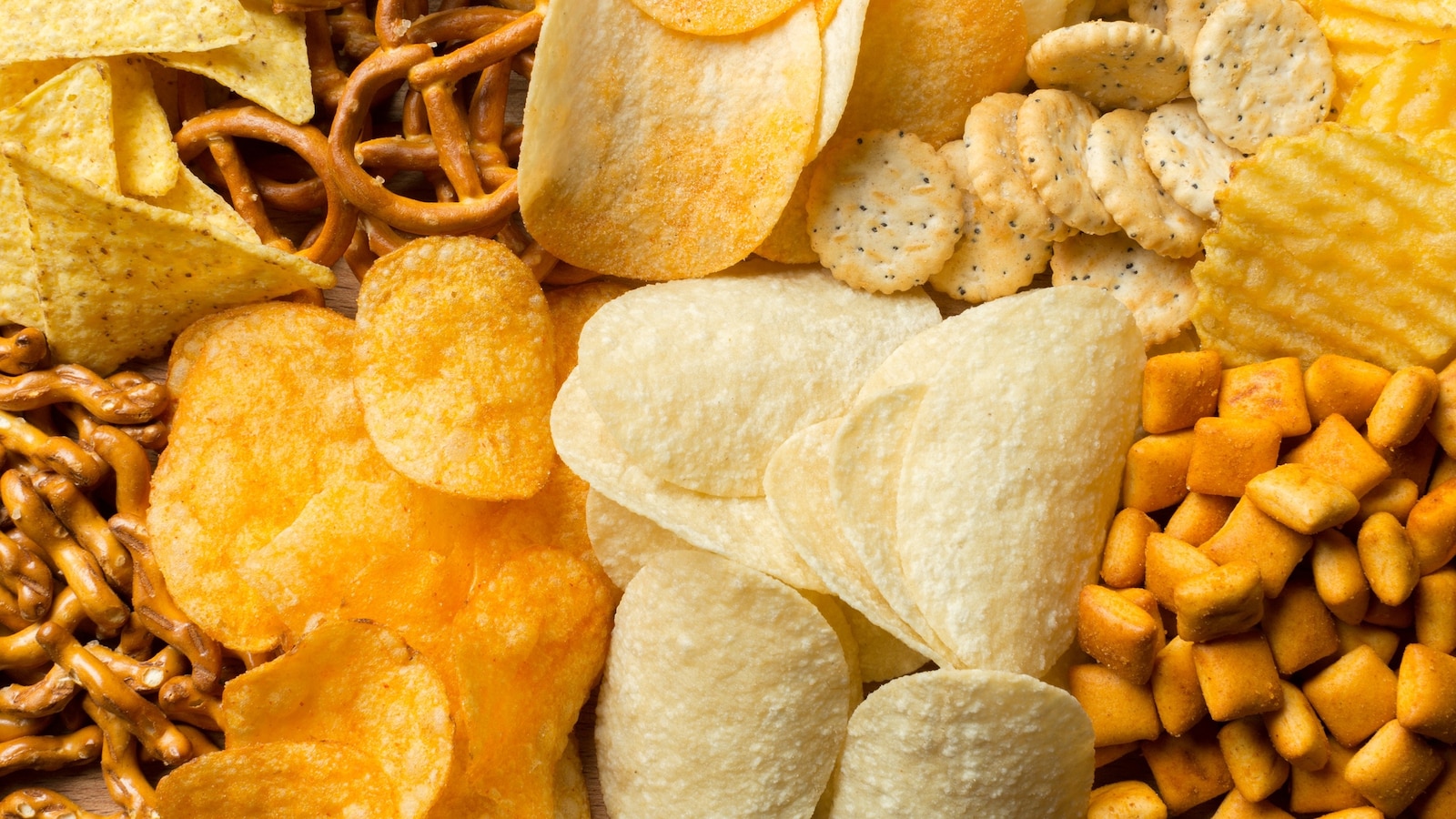
Here’s the part that catches many people off guard: most of the sodium Americans consume doesn’t come from the salt shaker on the dinner table. Dr. Daniel Jones, professor and dean emeritus at the University of Mississippi School of Medicine and chair of the 2025 American Heart Association/American College of Cardiology Blood Pressure Guideline, explains that “Americans on average get about 75% of their food from processed food of some kind—either processed foods from grocery stores, or foods that are bought at restaurants or fast-food restaurants.” This means that even people who never add salt to their meals are likely consuming excessive amounts simply by eating convenience foods, packaged snacks, canned goods, frozen dinners, deli meats, bread, cheese, condiments, and restaurant meals.
Food manufacturers add salt to processed foods for two main reasons that have nothing to do with our health. First, salt acts as a preservative, extending shelf life so products can sit in warehouses and on store shelves for weeks or months without spoiling. Second, salt enhances flavor, making foods taste more appealing and keeping customers coming back to buy more. While these may be good business practices, they’ve contributed to a public health crisis of excessive sodium consumption. The encouraging news from these new studies is that researchers believe food companies could make meaningful cuts to salt content without significantly affecting taste. When reductions happen gradually, most consumers don’t even notice the difference, yet the health benefits across entire populations can be substantial.
Practical Steps to Protect Your Health
While we wait for food manufacturers and policymakers to take broader action on reducing sodium in the food supply, there are practical steps individuals can take right now to lower their salt intake and protect their health. Dr. Jones offers simple, actionable advice for his patients that anyone can follow: “One of the things I advise my patients about is to shop as much as they can on the periphery of the grocery store. That’s generally where fresh foods are.” This isn’t just a catchy phrase—it’s based on the way most grocery stores are designed. The outer aisles typically hold fresh produce, meat, dairy, and other whole foods that haven’t been heavily processed, while the interior aisles are stocked with packaged, processed items that tend to be much higher in sodium.
Dr. Palaniappan offers another memorable guideline: “I tell my patients to eat foods with peels, not packages, to lower their overall intake of sodium.” This clever advice points toward choosing natural, whole foods like fruits and vegetables that come in their natural packaging rather than boxed, canned, or wrapped processed foods. She also emphasizes the importance of becoming an informed consumer: “Read labels, be cautious with packaged foods, and prioritize fresh, minimally processed foods.” When you do buy packaged items, comparing labels between brands can reveal surprising differences in sodium content for similar products. Some companies use far less salt than others, and choosing lower-sodium options consistently can make a real difference over time. Other helpful strategies include cooking more meals at home where you control the ingredients, using herbs and spices instead of salt to add flavor, rinsing canned vegetables and beans before using them to wash away some of the sodium, and asking for sauces and dressings on the side when eating out so you can control how much you consume.
The Path Forward: Personal and Policy Solutions
These new studies from France and the United Kingdom demonstrate that reducing sodium in our food supply is both achievable and potentially life-saving. The research provides solid evidence that modest, barely noticeable changes to common foods can have remarkable impacts on public health when applied across entire populations. The challenge now is translating this research into action, both at the individual level and through broader food policy reforms. Some countries have already implemented successful programs to encourage or require food manufacturers to gradually reduce sodium content, and the results speak for themselves in lower rates of heart disease and stroke. The United States could learn from these examples and implement similar approaches that would benefit millions of people who currently consume dangerous levels of sodium without even realizing it.
In the meantime, individuals don’t need to wait for policy changes to start protecting their health. By making conscious choices about the foods we buy and eat—choosing whole foods over processed ones whenever possible, reading nutrition labels to identify high-sodium products, cooking at home more often, and being mindful of portion sizes even when eating convenience foods—we can significantly reduce our sodium intake and lower our risk of high blood pressure and its many serious complications. The journey to better health doesn’t require perfection or dramatic overnight changes. Small, consistent improvements in daily eating habits can add up to meaningful health benefits over time. As these studies show, sometimes the most powerful interventions are the simplest ones: a little less salt could mean a lot more life.