


Moscow Concert Hall Massacre: Justice Delivered Two Years After One of Russia’s Deadliest Terrorist Attacks
The Verdict That Brought Closure to a Nation’s Tragedy
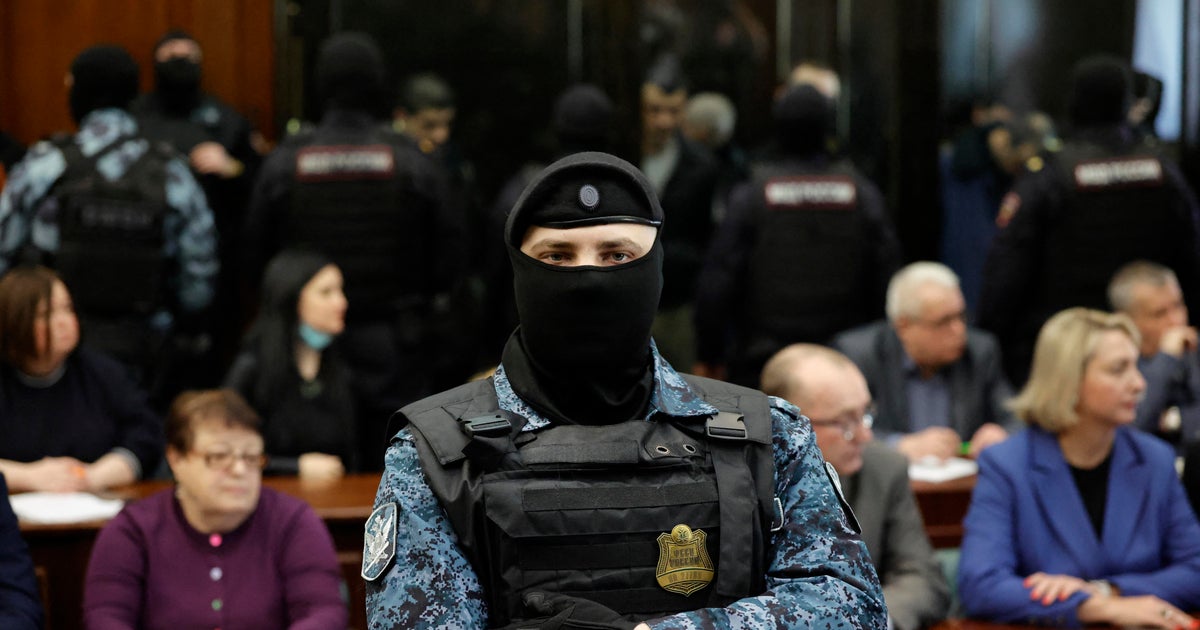
Two years after one of the most devastating terrorist attacks in Moscow’s recent history, a Russian military court has handed down severe sentences to 19 individuals connected to the horrific shooting rampage at Crocus City Hall. The attack, which occurred on March 22, 2024, resulted in the deaths of 149 innocent people and left more than 600 wounded, marking it as one of the deadliest incidents the Russian capital has experienced in years. The court proceedings, which began in August 2025 and were conducted behind closed doors due to security concerns, concluded on Thursday with 15 defendants receiving life imprisonment sentences, one receiving 22 and a half years, and three others sentenced to 19 years and 11 months each. The trial’s conclusion comes just ahead of the two-year anniversary of the tragedy, bringing a measure of closure to the victims’ families and survivors who have lived with the trauma of that terrible evening when gunmen opened fire on concertgoers waiting to see their favorite rock band perform.
The Night Terror Struck the Heart of Moscow
The evening of March 22, 2024, began like any other night at the popular Crocus City Hall concert venue. Hundreds of music fans had gathered, filled with anticipation to watch a beloved rock band perform. What should have been an evening of entertainment and joy quickly descended into unspeakable horror when four armed gunmen burst into the venue and began indiscriminately shooting at the crowd. The attackers showed no mercy, targeting people who were simply waiting for the show to begin. The violence didn’t end with the shooting—the perpetrators then set the building ablaze, creating additional chaos and devastation. The attack was later claimed by a faction of ISIS, the international terrorist organization, though Russian officials have persistently suggested additional connections without providing concrete evidence. The sheer scale of the carnage—149 lives lost and over 600 people injured—sent shockwaves throughout Russia and the international community, representing one of the most significant terrorist incidents in Moscow’s modern history.
The Suspects and the Questions That Remain
The four primary gunmen, all identified as citizens of Tajikistan, were apprehended just hours after carrying out the attack. These men—Dalerdzhon Mirzoyev, Saidakrami Murodali Rachabalizoda, Shamsidin Fariduni, and Muhammadsobir Fayzov—ranged in age from 20 to 31 at the time of the massacre. They came from ordinary working backgrounds, employed as taxi drivers, factory workers, and construction laborers, making their transformation into mass murderers all the more shocking. When they first appeared in court, the defendants showed visible signs of severe beatings, raising concerns among human rights observers. According to media reports, Mirzoyev had a brother who was killed fighting in Syria, which may have contributed to his radicalization. The 15 additional defendants tried alongside the four shooters included various individuals who facilitated the attack in different ways—three men who sold the gunmen a car, a landlord who rented them an apartment, and ten others accused of having terrorist ties. In a bizarre twist reported by the state news agency TASS, two of the defendants actually requested the court send them to fight in Ukraine instead of serving life sentences, a request that underscores the complex geopolitical tensions surrounding the case.
Political Finger-Pointing and International Tensions
The investigation and trial of the Crocus City Hall attackers became immediately entangled in the broader geopolitical conflict between Russia and Ukraine. President Vladimir Putin and other high-ranking Russian officials repeatedly claimed, without presenting supporting evidence, that Ukraine played a role in orchestrating the attack. These accusations were firmly and strongly rejected by Kyiv, which denied any involvement whatsoever in the terrorist incident. Russia’s Investigative Committee, the country’s top criminal investigation agency, went so far as to state that the attack had been “planned and carried out in the interests of the current leadership of Ukraine in order to destabilize the political situation in our country.” They pointed to the fact that the four suspected gunmen attempted to flee toward Ukraine after the massacre as evidence of this connection. However, these claims appeared to contradict the fact that ISIS had publicly taken credit for the attack, and that the United States had actually warned about the potential for such an incident just two weeks before it occurred. The U.S. Embassy in Moscow had publicly advised American citizens to avoid large gatherings, including concert venues, due to credible intelligence about potential terrorist attacks targeting such locations. This warning demonstrates that Western intelligence agencies had information about ISIS-related threats that ultimately materialized in the Crocus City Hall massacre.
Survivors Speak: The Lasting Impact of Trauma
For those who survived the attack and the families of those who didn’t, the passage of two years has done little to diminish the pain and trauma of that horrific night. Ivan Pomorin, who was at Crocus Hall filming the concert when the attack began, spoke to reporters after the verdict was announced, capturing the enduring nature of the tragedy. “For us all it’s like yesterday,” he told the Agence France-Presse news agency, his words reflecting how fresh the wounds remain for those directly affected. Beyond the emotional toll, Pomorin and others expressed lingering doubts about whether justice had been fully served. “For us, the victims and relatives of the victims, it is not clear whether everyone is brought to justice, it looks like these are not the people who could organize it, the Investigative Committee should continue to work,” he added, voicing concerns that the 19 convicted individuals may not represent everyone involved in planning and executing such a sophisticated attack. This sentiment reflects a common reaction among terrorism victims and their families—the sentences, no matter how severe, can never truly compensate for the lives lost and the permanent trauma inflicted. The survivors and victims’ families must now navigate the difficult path of moving forward with their lives while carrying the weight of that terrible evening, finding ways to honor the memory of those killed while seeking some measure of peace in their own hearts.
Justice, Security, and the Path Forward
The conclusion of this trial represents an important milestone in Russia’s response to the Crocus City Hall massacre, but it also raises broader questions about security, radicalization, and the ongoing threat of terrorism. The fact that the trial was conducted in a military court behind closed doors, as is customary for terrorism charges in Russia, means that many details about the investigation and the full extent of the conspiracy may never become public knowledge. The severe sentences handed down—particularly the 15 life imprisonment terms—send a strong message about how seriously Russia treats acts of terrorism on its soil. However, the case also highlights the complex challenges facing security services in preventing such attacks, especially when they involve individuals who appear to lead ordinary lives until they become radicalized. The presence of ISIS-affiliated terrorists within Russia’s borders, the cross-border connections suggested by the defendants’ attempt to flee to Ukraine, and the involvement of multiple facilitators beyond just the four shooters all point to the sophisticated nature of modern terrorist networks. As Russia and other nations continue to grapple with these threats, the Crocus City Hall tragedy stands as a sobering reminder of the devastating human cost of terrorism and the ongoing need for vigilance, international cooperation, and efforts to address the root causes of radicalization before more innocent lives are lost to such senseless violence.