
Global Oil Markets in Turmoil: Understanding the Latest Energy Crisis
The IEA’s Historic Intervention and Its Immediate Challenges
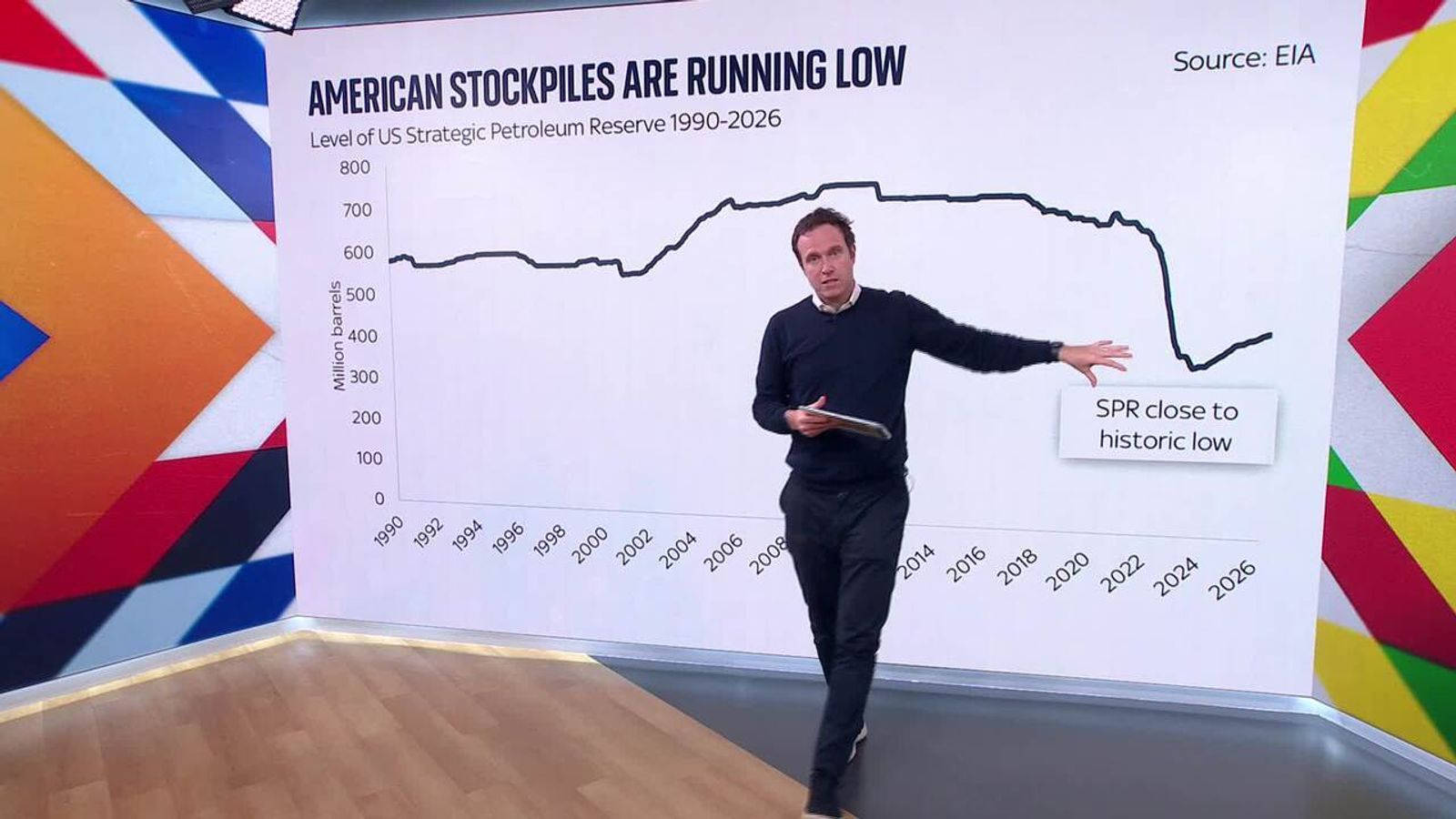
The global oil market has found itself at a critical crossroads, with the International Energy Agency (IEA) taking unprecedented action to stabilize spiraling energy prices. In a move that underscores the severity of the current crisis, the IEA announced the release of a record amount of oil from strategic reserves, marking one of the most significant interventions in the organization’s history. This emergency measure was designed to flood the market with additional supply, thereby putting downward pressure on prices that have been causing economic pain for consumers and businesses worldwide. The agency’s decision reflects growing concerns among major economies about the inflationary impact of sustained high energy costs and the broader threat to global economic recovery. However, despite the scale of this intervention, the relief has proven frustratingly short-lived, demonstrating just how complex and volatile the current energy landscape has become. The effectiveness of reserve releases, while temporarily reassuring to markets, ultimately depends on the underlying fundamentals of supply and demand, as well as the geopolitical factors that continue to shape the energy sector.
Iran’s Destabilizing Actions in the Gulf Region
The primary factor undermining the IEA’s efforts has been the escalating aggression from Iran targeting oil infrastructure and shipping in the strategically vital Gulf region. This area represents one of the world’s most critical energy corridors, with vast quantities of crude oil passing through its waters every single day, destined for consumers across Asia, Europe, and beyond. Iranian attacks on oil-producing nations in the Gulf have created an atmosphere of uncertainty and fear that immediately translates into higher oil prices, as markets factor in the risk of supply disruptions. These hostile actions represent more than isolated incidents; they’re part of a broader pattern of regional instability that threatens the steady flow of energy resources upon which the global economy depends. The targeting of production facilities and infrastructure in neighboring countries sends shockwaves through international markets, as traders and analysts attempt to calculate the potential impact on available supply. When such attacks occur, the psychological effect on markets can be just as significant as any actual reduction in oil output, as fear and speculation drive trading behavior and push prices upward regardless of current supply levels.
The Cargo Vessel Attacks: A New Dimension to the Crisis
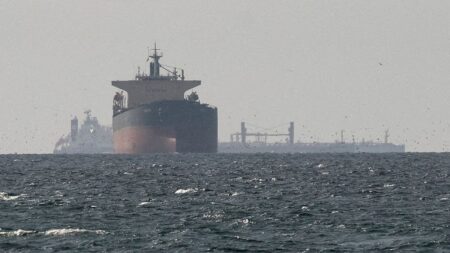
The situation deteriorated further with overnight strikes on three cargo vessels, adding a maritime dimension to the crisis that has particularly alarmed international observers and industry stakeholders. These attacks on shipping represent a dangerous escalation, threatening not just the oil itself but the transportation networks that keep global energy markets functioning. Cargo vessels operating in these waters now face elevated risks, which inevitably leads to increased insurance costs, potential crew shortages as sailors become reluctant to transit dangerous areas, and possible rerouting that adds time and expense to deliveries. The targeting of civilian maritime traffic crosses important international red lines and raises questions about freedom of navigation in international waters. Each such incident reinforces market anxiety about supply chain reliability, contributing to the upward pressure on prices that the IEA had hoped to counteract. For shipping companies and oil traders, these attacks create a complex calculus of risk management, potentially leading to decisions that further constrain the movement of oil and petroleum products to global markets. The broader maritime industry watches these developments with grave concern, understanding that if Gulf waters become too dangerous for normal commercial operations, the ripple effects would extend far beyond the energy sector.
Understanding the Price Dynamics and Market Psychology
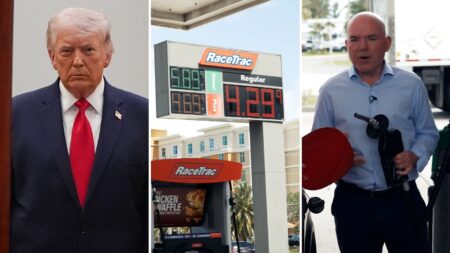
The rapid reversal of oil prices following the IEA’s intervention illustrates a fundamental truth about modern energy markets: they are driven as much by psychology and perceived risk as by actual supply and demand figures. When the IEA announced its record release from strategic reserves, the initial market reaction was positive, with prices moderating as traders welcomed the additional supply. However, this relief proved temporary because the underlying threat to supply security had not been addressed. The Iranian attacks reminded markets that physical supply remains vulnerable to geopolitical disruption, regardless of how much oil might be held in reserve tanks in consuming nations. This dynamic creates a frustrating cycle where interventions provide only temporary relief before anxieties about future supply push prices back upward. Oil traders, operating in a 24-hour global marketplace, must constantly reassess risk based on breaking news from producing regions, making markets extremely sensitive to events like the cargo vessel attacks. The situation is further complicated by the speculative nature of oil trading, where future contracts and derivative instruments can amplify price movements beyond what pure supply-demand fundamentals might suggest. For ordinary consumers watching gas prices at the pump, these abstract market forces translate into very real financial pain, as the cost of filling a tank or heating a home becomes increasingly burdensome.
Global Economic Implications and Policy Dilemmas
The ongoing volatility in oil markets carries profound implications for the global economy that extend well beyond the energy sector itself. High and unpredictable oil prices act as a tax on economic activity, reducing consumer spending power and increasing costs for businesses across virtually every industry. Transportation, manufacturing, agriculture, and countless other sectors depend on affordable energy, and when oil prices surge, the effects cascade through entire economies. Central banks attempting to manage inflation face a particularly difficult challenge, as energy price spikes can feed into broader inflation expectations and wage demands, potentially requiring painful interest rate increases that slow economic growth. For developing nations that depend heavily on oil imports, the situation can become critical, straining foreign exchange reserves and forcing governments to make difficult choices between subsidizing fuel costs or allowing prices to rise for already-struggling populations. The IEA’s decision to release strategic reserves represents a recognition of these broader economic dangers, but also highlights the limited tools available to policymakers when dealing with supply shocks driven by geopolitical conflict. Governments must balance the desire to shield consumers from price spikes against the need to maintain adequate emergency reserves for even more severe disruptions, all while considering how their actions might affect market expectations and trading behavior.
Looking Forward: Uncertainty and the Search for Stability
As this crisis unfolds, the international community finds itself searching for sustainable solutions to energy security challenges that appear increasingly complex and interconnected. The current situation exposes the continued vulnerability of global energy systems to regional conflicts and the actions of hostile state actors. While the transition to renewable energy sources remains a long-term priority for many nations, the immediate reality is that the world economy still runs predominantly on oil, and disruptions to its supply create immediate crises that demand urgent responses. The effectiveness of tools like strategic reserve releases is being tested in real-time, revealing both their utility and their limitations when confronted with ongoing security threats. International diplomatic efforts to de-escalate tensions in the Gulf region take on heightened urgency when energy supplies hang in the balance, yet such diplomatic processes often move slowly compared to the rapid pace of market movements. Looking ahead, consumers and businesses should prepare for continued volatility in energy prices as long as the underlying geopolitical tensions remain unresolved. The attacks on cargo vessels and oil-producing nations represent a stark reminder that in our interconnected global economy, conflicts in one region can quickly affect the daily lives of people thousands of miles away, whether through higher costs at the gas pump or broader inflationary pressures that erode purchasing power and economic security.