


Ukraine Awaits U.S. Approval for Critical Drone Defense Agreement Amid Regional Tensions
A Pivotal Moment for Ukraine’s Air Defense Strategy
Ukrainian President Volodymyr Zelenskyy revealed on Thursday that his country is still waiting for the White House to approve a significant drone production agreement that Ukraine first proposed last year. This announcement comes at a critical juncture, as recent conflicts in the Middle East have starkly demonstrated the vulnerabilities in modern air defense systems and highlighted the urgent need for countries worldwide to upgrade their defensive capabilities. The proposed deal between the United States and Ukraine isn’t just about purchasing a few drones—it represents a comprehensive approach to air defense that could revolutionize how nations protect themselves against modern aerial threats. According to Zelenskyy, who shared the update through social media, this agreement would encompass various types of drones and integrated air defense systems designed to work together seamlessly as a unified protective shield. The system would specifically target the challenge of defending against massive swarms consisting of hundreds or even thousands of Iranian-designed Shahed drones and missiles—the very weapons that have plagued Ukraine throughout the war and have recently been deployed in Middle Eastern conflicts as well.
The Iranian Drone Threat and Ukraine’s Battle-Tested Experience
Since Russia launched its full-scale invasion of Ukraine just over four years ago, the country has faced an unprecedented aerial assault. Russian forces have fired tens of thousands of Iranian-designed Shahed drones at Ukrainian targets, terrorizing civilians and attempting to destroy critical infrastructure. The scale of these attacks reached a terrifying peak when Russia launched its largest single nighttime assault, sending more than 800 drones and decoys into Ukrainian airspace in one coordinated swarm. This relentless bombardment has forced Ukraine to become an unwilling expert in drone warfare and air defense, developing innovative solutions born from desperate necessity. The same Iranian-designed drones that have caused such devastation in Ukraine have now appeared in the Middle East, where Iran has used them to strike targets following joint U.S.-Israeli military operations. This spread of drone technology has created a global security challenge that transcends any single conflict. What Ukraine has learned through bitter experience is now proving invaluable to the international community, as other nations realize they may face similar threats in future conflicts.
Innovation Born from Necessity: Ukraine’s Revolutionary Approach
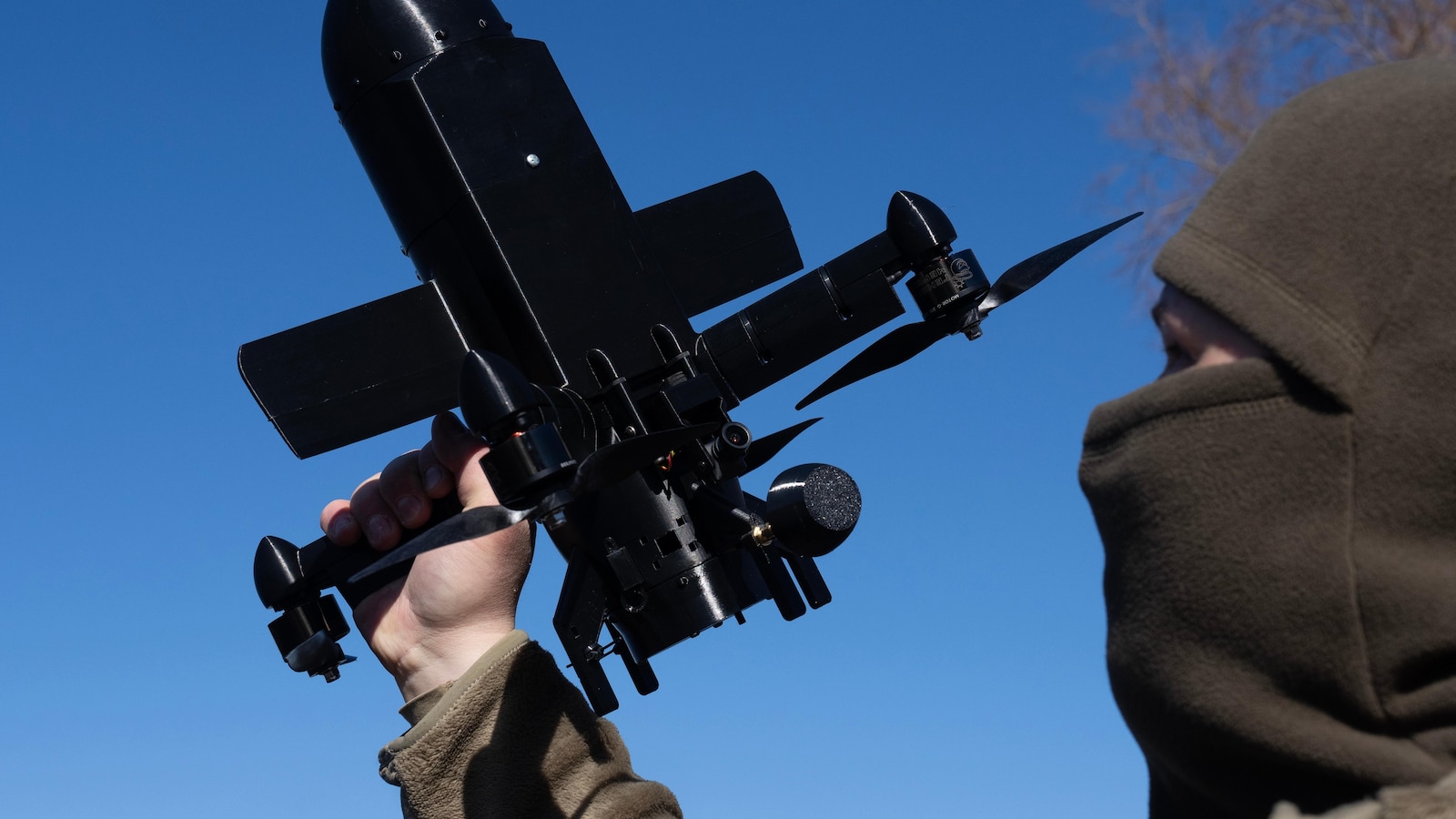
Out of necessity and with limited resources, Ukraine has pioneered groundbreaking developments in cost-effective drone defense systems that have fundamentally changed how military strategists think about air defense. Ukrainian engineers and military planners have developed what they call “drone killers”—defensive systems that cost only a few thousand dollars each yet can effectively neutralize expensive enemy drones. This represents a complete rewriting of the traditional air defense playbook, which historically relied on expensive missile systems that often cost more than the threats they were designed to counter. The economic mathematics of this innovation are striking: when you can destroy a drone worth tens of thousands of dollars with a defensive weapon costing a fraction of that amount, you’ve achieved a strategic advantage that changes the calculus of aerial warfare. These Ukrainian innovations have attracted international attention not just for their effectiveness but for their affordability and scalability. As countries around the world assess their own vulnerabilities to drone swarms, Ukraine’s battle-tested solutions offer a proven path forward that doesn’t require the massive defense budgets traditionally associated with comprehensive air defense systems.
Diplomatic Leverage and the Broader Strategic Picture
President Zelenskyy suggested that the ongoing conflict in the Middle East might actually accelerate American officials’ willingness to approve the drone production proposal, as the recent Iran war has provided a stark demonstration of the threats that modern air defense systems must counter. For Ukraine, securing this agreement represents more than just acquiring defensive capabilities—it’s about establishing long-term foreign support and partnerships that will continue regardless of how the current conflict evolves. Drone production agreements of this nature could provide Kyiv with valuable diplomatic leverage in any future negotiations with Moscow, demonstrating Ukraine’s value as a strategic partner and its position at the forefront of modern defense technology. However, the broader diplomatic landscape remains complicated. U.S.-mediated peace talks aimed at ending what has become Europe’s largest military conflict since World War II are currently on hold due to the Iran war consuming international attention and diplomatic resources. This pause in negotiations adds urgency to Ukraine’s need to secure its defense capabilities and international partnerships through agreements like the proposed drone production deal. The geopolitical chess game continues to play out on multiple boards simultaneously, with Ukraine seeking to strengthen its position through every available means.
Economic Factors and the Russian War Machine
As Zelenskyy embarked on a diplomatic mission to NATO member Romania on Thursday, ahead of scheduled meetings with French President Emmanuel Macron in Paris, new research revealed troubling economic trends supporting Russia’s military campaign. According to analysis from the nonprofit Centre for Research on Energy and Clean Air, Russian oil revenue—which provides crucial funding for Moscow’s invasion—has actually increased since the Iran war began. The Middle East conflict has caused crude oil prices to spike sharply, and during this period, Russia’s daily revenue from oil sales has averaged 14% higher than in February. This windfall directly undermines international efforts to economically pressure Russia into ending its aggression. The oil revenue question will be central to Zelenskyy’s discussions with President Macron, with talks focusing on strategies to counter Russia’s so-called “shadow fleet” of tankers. These vessels operate outside normal international oversight, shipping Russian oil in violation of international sanctions but proving difficult to intercept or stop through conventional means. Finding effective ways to disrupt this shadow fleet without causing broader disruptions to global energy markets represents one of the most challenging aspects of the economic pressure campaign against Russia.
Regional Partnerships and the Path Forward
Zelenskyy’s visit to Romania underscores the importance of regional partnerships in sustaining Ukraine’s defense. In Bucharest, he was scheduled to meet with Romanian President Nicușor Dan and Prime Minister Ilie Bolojan, as well as visit a training center where Ukrainian pilots are learning to operate F-16 fighter jets—another crucial component of Ukraine’s evolving air defense strategy. Romania has been an essential partner throughout the war, serving as a critical export route for Ukrainian grain after Russia’s blockade of Black Sea ports disrupted traditional shipping lanes. This grain corridor has been vital not just for Ukraine’s economy but for global food security, as Ukraine remains one of the world’s major grain exporters. Beyond facilitating trade, Romania has provided substantial energy support to Ukraine as Russian forces have systematically targeted and destroyed much of Ukraine’s power generation and distribution infrastructure in an attempt to break civilian morale through cold and darkness. These partnerships demonstrate that Ukraine’s defense isn’t just about weapons systems—it’s about a network of support encompassing economic, diplomatic, humanitarian, and military dimensions. As the war continues and diplomatic efforts remain stalled, the pending U.S. approval of the drone production agreement represents both a practical necessity for Ukraine’s immediate defense needs and a symbolic measure of international commitment to supporting Ukraine’s sovereignty and territorial integrity for the long term.