


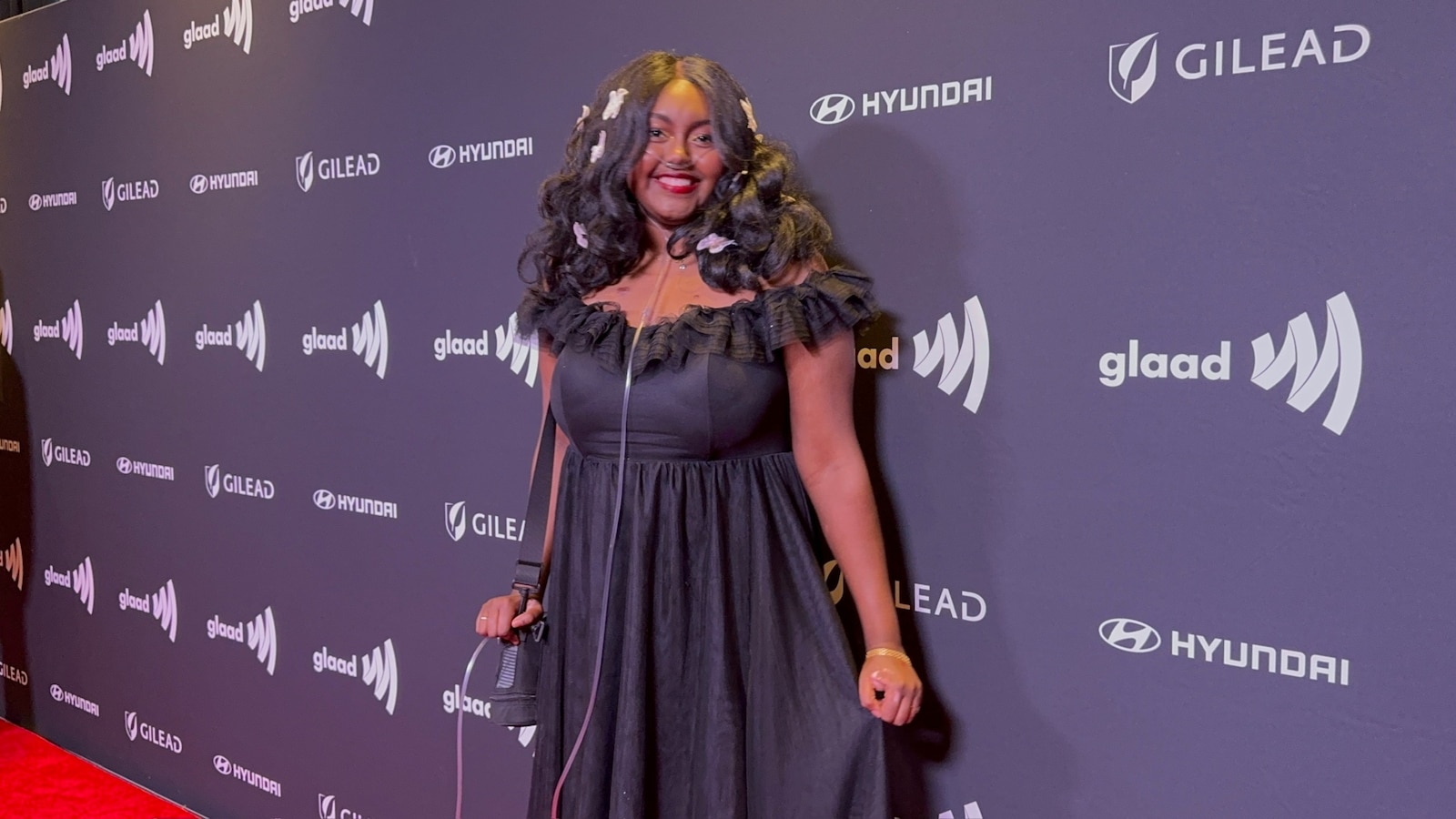

Remembering Natasha Allen: A Voice for Young Adults Fighting Cancer
The Underserved AYA Cancer Community
The first week of April marks Adolescent and Young Adult Cancer Awareness Week, shining a light on a community that often goes unnoticed in the broader conversation about cancer care. Young people between their teens and late thirties who are diagnosed with cancer face unique challenges that set them apart from both pediatric and older adult patients. This demographic, known as the AYA (Adolescent and Young Adult) community, is considered significantly underserved in the healthcare system, primarily due to a troubling lack of age-appropriate resources, specialized treatment facilities, and support systems designed specifically for their needs. While children’s hospitals focus on pediatric care and general oncology centers cater to older adults, young adults often fall into a gap where their specific physical, emotional, and social needs aren’t adequately addressed. The cancer experience for someone in their twenties is fundamentally different from that of a child or a retiree—they’re often in the prime of establishing careers, building relationships, starting families, and defining their independence. When cancer strikes during these formative years, it disrupts not just their health but their entire life trajectory, requiring a specialized approach that the current healthcare system struggles to provide consistently.
Natasha Allen’s Powerful Legacy
Natasha Allen became one of the most recognizable and influential voices for the AYA cancer community before her death at just 28 years old on August 22, 2025. Her five-year battle with synovial sarcoma, a rare and aggressive form of cancer, was documented through her social media presence, where she used platforms like TikTok to share her journey with remarkable honesty and courage. Allen didn’t just share the medical aspects of her experience; she gave followers an unfiltered look at what it really means to be a young person facing a life-threatening illness. Her videos resonated with thousands of people across the country and around the world, not just those dealing with cancer themselves but anyone who appreciated her authenticity, humor in the face of adversity, and refusal to be defined solely by her diagnosis. Allen’s influence extended far beyond social media—she was a founding member of the Sarcoma Foundation of America’s Adolescent and Young Adult Committee and served as the inaugural guest on their “Sarcoma Stories” podcast. Through these roles, she helped fundamentally reshape how the foundation connects with, supports, and empowers the sarcoma community, particularly young patients who had previously felt invisible in the cancer world. Even after her passing, Allen’s impact continues to reverberate throughout the cancer community and beyond, with social media followers still watching her content daily and reaching out to her family to share how she changed their lives.
Understanding Synovial Sarcoma and Diagnostic Challenges
Natasha Allen’s cancer journey began in 2019 when she started experiencing problems with her knee. She sought medical attention and received imaging, but her doctor initially dismissed the lump as simply a cyst—a decision that would prove to have devastating consequences. This misdiagnosis highlights one of the most dangerous assumptions in healthcare: that young people don’t get cancer. Allen repeatedly requested a biopsy, but it wasn’t until nine months later, in August 2020, that she finally received one. The results revealed the lump was actually a tumor, and the then-23-year-old was diagnosed with Stage 4 synovial sarcoma, a rare and aggressive form of cancer. As Allen herself pointedly noted in a social media post, “A lot of doctors don’t assume it’s cancer, because young people aren’t supposed to get cancer. But we do. We’re here.” Synovial sarcoma is typically found in the arms, legs, or feet, often near joints like the wrist, knee, or ankle, though it can also develop in soft tissues in the lung or abdomen, according to the National Cancer Institute. What makes this cancer particularly relevant to the AYA community is that approximately one-third of patients diagnosed with synovial sarcoma are under the age of 30, and it occurs somewhat more frequently in males. Treatment options typically include some combination of surgery, radiation therapy, and chemotherapy, though outcomes vary significantly depending on when the cancer is caught and how aggressive it is.
The Alarming Statistics of AYA Cancer
The statistics surrounding cancer in adolescents and young adults paint a concerning picture that demands greater attention and resources. Cancer incidents are substantially higher in girls and women within the AYA demographic, particularly in the older end of the age range. According to the American Cancer Society, cancer rates are approximately 30% higher in women aged 20-29 compared to males of the same age (55 versus 42 per 100,000), and the disparity becomes even more pronounced in those aged 30-39, where women experience nearly double the rate of their male counterparts (161 versus 84 per 100,000). Beyond gender, racial and ethnic disparities also play a significant role in AYA cancer outcomes. Research presented at the 2025 American Society of Clinical Oncology Annual Meeting revealed that Black AYA patients faced a 47% higher mortality risk compared to white patients, while Hispanic patients had a 3% higher risk. On a global scale, approximately 1.3 million AYA cancer cases and 377,621 cancer-related deaths occurred in 2022 alone, according to research published in the Journal of Hematology & Oncology. In the United States specifically, there were about 89,500 new cancer cases and approximately 9,270 cancer deaths among AYAs in 2020. Perhaps most troubling is the trend showing that AYA cancer incidences have been steadily increasing over time. Between 2007 and 2016, overall cancer rates rose in all AYA age groups in the U.S., driven largely by thyroid cancer (increasing about 3-4% annually depending on age group) and obesity-related cancers including kidney, uterine, and colorectal cancers.
Continuing the Fight Through Advocacy and Research
Natasha Allen was adamant that if cancer shortened her life, she would never lose her battle with the disease. Her family emphasized that she “won the battle time and time again,” not through achieving remission but through her refusal to let cancer diminish her voice, her purpose, or her impact. To honor this spirit and ensure her legacy continues to make a difference, Allen’s family worked with the Sarcoma Foundation of America to establish a research fund in her name. This fund is dedicated to helping other families experiencing synovial sarcoma and other rare cancers, addressing the critical need for more research into these understudied diseases. Brandi Felser, CEO of the Sarcoma Foundation of America, praised Allen’s fearlessness in saying what needed to be said to advance progress and improve outcomes for people diagnosed with sarcoma, noting that “if someone was going to make change, it was going to be Natasha.” The recognition of Allen’s work extends throughout the AYA cancer community. She is being honored posthumously at CancerCon 2026, the annual conference organized by the nonprofit Stupid Cancer, which brings together hundreds of patients, survivors, advocates, and health professionals in the AYA cancer community each year. Tragically, Allen was scheduled to be the opening keynote speaker at last year’s conference on the very day she died, making this year’s tribute particularly poignant.
Building Community and Breaking Isolation
The importance of community in the AYA cancer experience cannot be overstated, and this was perhaps Natasha Allen’s greatest contribution. Alison Silberman, CEO of Stupid Cancer, explained that many AYAs struggle with profound isolation when facing cancer, and fighting that isolation was the very reason the organization was formed. Allen’s unique ability to make young survivors feel seen—often for the first time—proved tremendously impactful in a demographic that frequently feels caught between two worlds, too old for pediatric services but facing challenges vastly different from older cancer patients. Young adults with cancer often find themselves isolated from their healthy peers, who may not understand what they’re going through, while simultaneously feeling out of place among older cancer patients whose life circumstances are completely different. This year’s CancerCon takes place from April 30 to May 3 in Seattle, Washington, and will include a closing keynote speech on May 3 honoring Natasha Allen’s legacy and advocacy in the AYA community. These gatherings provide essential opportunities for young cancer patients and survivors to connect with others who truly understand their experience, share resources and coping strategies, and build supportive networks that can make the difference between feeling completely alone and feeling part of a community that sees and values them. As we observe Adolescent and Young Adult Cancer Awareness Week, Natasha Allen’s life and work remind us that young people do get cancer, they deserve specialized care and support, and their voices must be heard in shaping cancer research, treatment, and advocacy going forward.