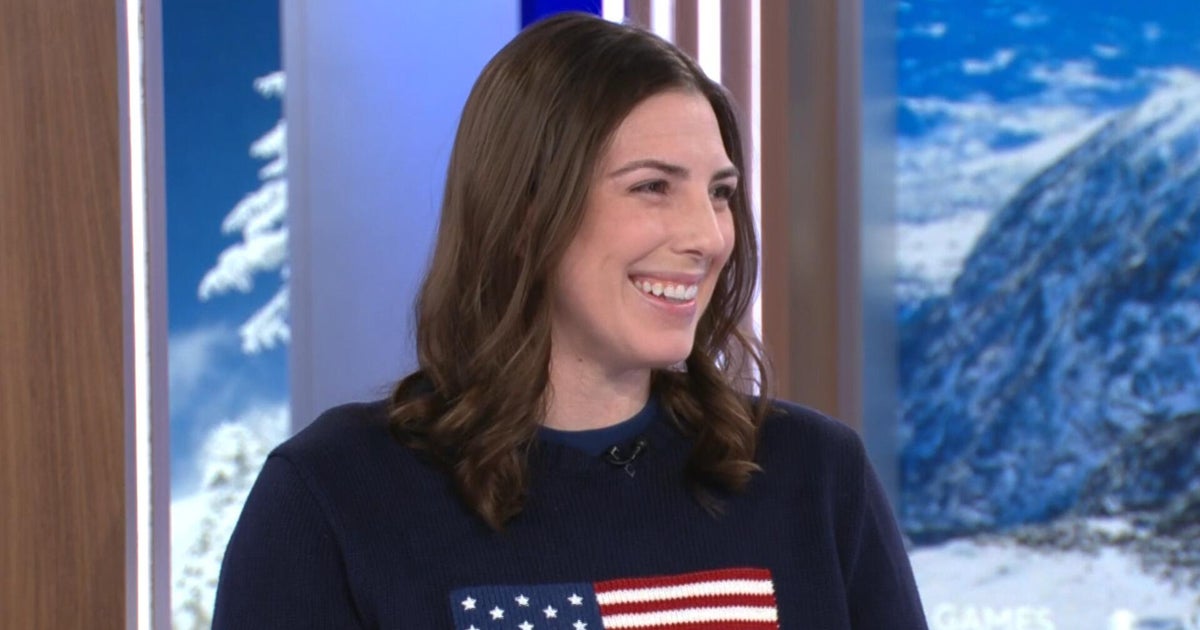

Hilary Knight Reflects on Olympic Gold and Moving Beyond Presidential Controversy
An Overwhelming Wave of Support
Following their thrilling victory over Canada at the 2026 Winter Olympics in Milan, Italy, the U.S. women’s hockey team has experienced something truly remarkable—an outpouring of support that has transcended the sport itself. Team captain and five-time Olympic medalist Hilary Knight described the response as “incredible,” particularly after the team found itself at the center of a political controversy involving President Trump’s comments. What could have been a distraction from their historic achievement instead galvanized supporters across the country to rally behind these athletes. The team’s decision to politely decline an invitation to the State of the Union address, citing legitimate scheduling conflicts with academic and professional commitments, only seemed to amplify the public’s appreciation for their professionalism and dedication. Knight emphasized during her appearance on “CBS Mornings” that the overwhelming support they received upon returning home made the entire experience even more meaningful, allowing the team to share their triumph with communities across the nation while continuing to serve as positive role models both on and off the ice.
The Controversial Presidential Call
The controversy began when President Trump made a congratulatory phone call to the U.S. men’s hockey team, who had also captured Olympic gold. During that call, he invited the men’s team to attend his State of the Union speech, then added what he characterized as a joke—that he would need to invite the women’s team as well or risk being impeached. This offhand comment struck many as diminishing the women’s achievement, suggesting their invitation was an afterthought rather than a genuine recognition of their incredible accomplishment. Knight initially characterized the president’s remark as “distasteful and unfortunate,” a measured but clear criticism that resonated with many who felt the women deserved equal recognition without such qualifications. The incident highlighted ongoing issues around equity in sports and how female athletes are sometimes treated as secondary to their male counterparts, even when achieving the same level of excellence. However, rather than allowing this moment to overshadow their Olympic triumph, Knight and her teammates chose to focus on the positive response from their true supporters—the fans, communities, and fellow athletes who recognized their achievement for what it was: a monumental victory years in the making.
A Gracious Decline and Professional Response
When the formal invitation to the State of the Union did arrive, the U.S. women’s hockey team handled the situation with the same class and professionalism they’d demonstrated throughout their Olympic journey. Through a USA Hockey spokesperson, the team declined the invitation, citing scheduling conflicts related to previously planned academic and professional commitments following the Games. The statement struck the perfect tone—respectful and appreciative while maintaining the team’s priorities and boundaries. “They were honored to be included and are grateful for the acknowledgment,” the spokesperson noted, demonstrating that the athletes could take the high road without compromising their values or schedules. This response showcased the maturity and media savvy of modern female athletes who understand they can be firm in their decisions while remaining gracious. The timing issue was entirely legitimate—these athletes aren’t full-time professionals with cleared schedules; many balance their Olympic pursuits with educational goals and career responsibilities that require immediate attention after returning from international competition. Their handling of this delicate situation earned them additional respect from supporters who appreciated their ability to navigate politically charged waters without losing focus on what truly mattered.
The Captain’s Journey: Dreams Realized
For Hilary Knight, the 2026 Olympics represented the culmination of a dream that began when she was just five years old. Now 36, Knight has become one of the most decorated players in women’s hockey history, and her performance in the gold medal game exemplified why she’s considered among the sport’s all-time greats. She scored the crucial tying goal against Canada in the final, forcing overtime where the U.S. would ultimately prevail in dramatic fashion. “I am dialed a little differently,” Knight reflected when discussing her Olympic journey, acknowledging the unique drive and dedication required to compete at the highest level for over a decade. Playing in her fifth Olympics, Knight has experienced the full spectrum of emotions the Games can offer—from heartbreaking defeats to triumphant victories. This latest gold medal, however, seemed to carry special significance, perhaps because Knight recognizes it may be her final Olympic chapter. The victory against Canada, the sport’s other powerhouse nation, in front of a global audience represented everything Knight had worked toward since childhood—the perfect blend of personal achievement and team success that defines Olympic glory.
An Uncertain but Fulfilling Future
When asked about the possibility of competing in future Olympics, Knight gave an answer that was both honest and reflective. At 36, she acknowledged being “certainly capable” of returning to Olympic competition, noting that age hasn’t diminished her abilities on the ice. However, she also hinted that this might be the right moment to close this chapter of her life, describing the experience as an “amazing storybook ending.” The choice of words was telling—Knight seems to appreciate the narrative arc of her career and recognizes that sometimes the most satisfying endings come when athletes go out on top. Processing the magnitude of what she and her team accomplished will take time, and Knight appears in no rush to make definitive decisions about her future in the sport. What’s clear is that regardless of whether she continues competing at the elite level, Knight’s legacy is secure. She’s helped elevate women’s hockey, inspired countless young players, and demonstrated what dedication and excellence look like over a sustained career. Her impact extends beyond statistics and medals to the example she’s set for future generations of female athletes who will benefit from the trail she’s helped blaze.
Being Awesome Representatives and Great Humans
Perhaps the most telling aspect of Knight’s interview was her emphasis on being “awesome representatives” and “great humans”—goals that extend well beyond hockey success. Throughout their Olympic journey and the subsequent controversy, the U.S. women’s hockey team has demonstrated that athletic excellence and strong character aren’t mutually exclusive. They’ve shown young fans that it’s possible to be fiercely competitive on the ice while maintaining grace, professionalism, and values off it. Knight and her teammates understand they’re role models whether they explicitly seek that responsibility or not, and they’ve embraced the opportunity to represent their sport, their country, and their gender with distinction. Their response to being caught in a political moment—staying focused on their achievement, appreciating genuine support, and handling uncomfortable situations with maturity—provides a masterclass in modern athlete activism and advocacy. They didn’t need to be strident or confrontational to make their point; instead, they let their performance speak loudest while making thoughtful, measured decisions about how to engage with controversy. As they return to their respective communities and continue their lives beyond this Olympic moment, Knight and her teammates carry with them not just gold medals but the knowledge that they’ve contributed something meaningful to the ongoing conversation about equity, respect, and recognition in sports. Their journey represents more than hockey success—it’s a story about perseverance, teamwork, and maintaining integrity in the face of challenges both on the ice and off.