
Christian Horner Eyes Return to Formula One Through Alpine Acquisition
Former Red Bull Boss Explores New F1 Venture
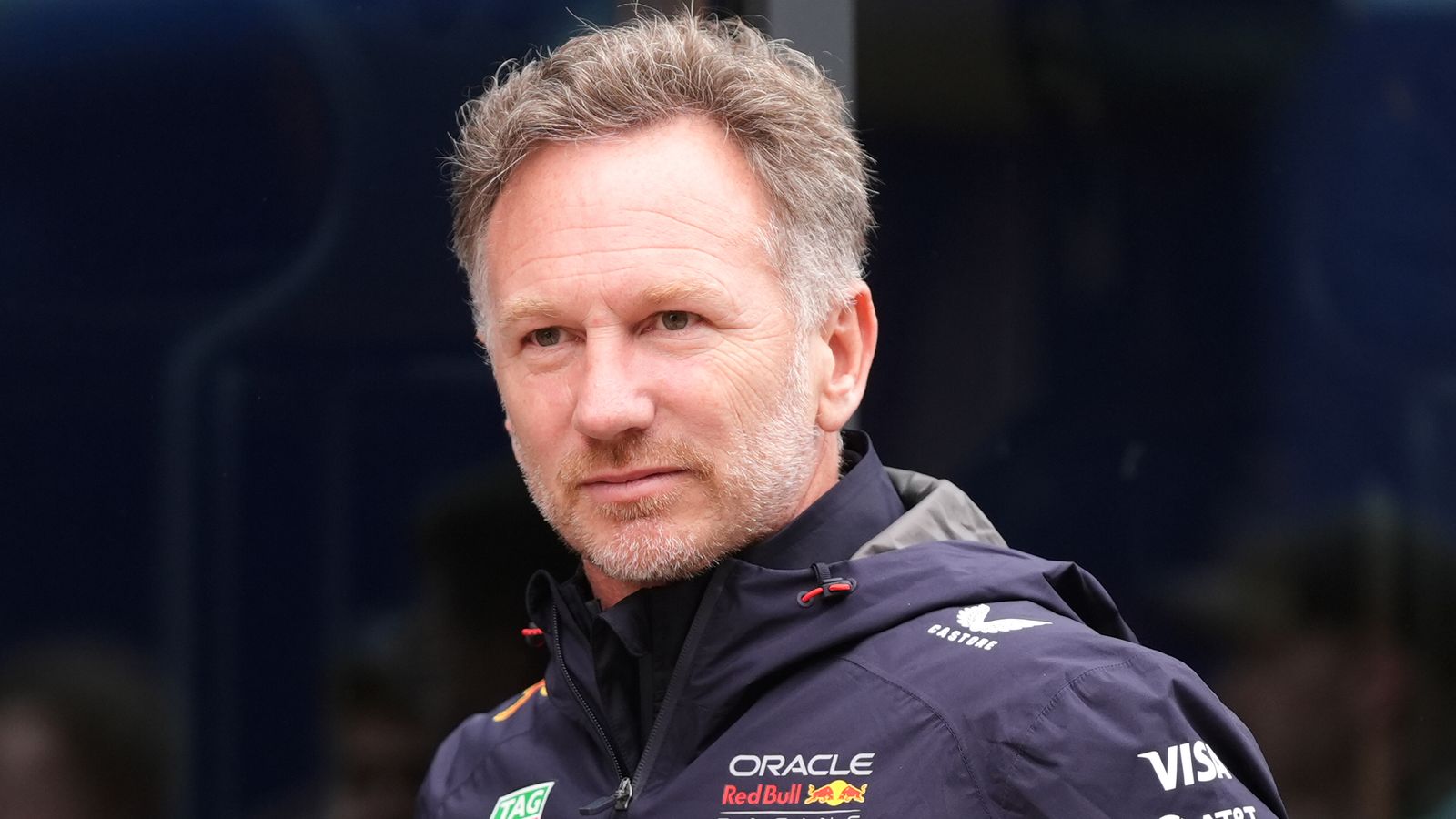
Christian Horner, the highly respected former team principal of Red Bull Racing, is actively pursuing what could be one of the most significant comebacks in Formula One history. After departing Red Bull last autumn following two decades of unprecedented success, Horner is now in serious discussions about acquiring a stake in Alpine, the struggling French Formula One team. The talks involve several institutional investors, most notably MSP Sports Capital, a firm with a proven track record in motorsport investments, having previously backed McLaren Racing. This potential deal represents more than just a business transaction; it’s about a legendary figure in Formula One attempting to breathe new life into a team that desperately needs direction and expertise. For Horner, who spent twenty years building Red Bull into a championship-winning powerhouse, overseeing six constructors’ championships and eight drivers’ titles, this represents an opportunity to prove that his success wasn’t solely dependent on Red Bull’s resources, but rather on his own exceptional leadership and strategic vision.
The Financial Backing and Investment Landscape
The complexity of modern Formula One ownership means that Horner cannot simply walk into a team on his own merits alone; he needs substantial financial backing. MSP Sports Capital has emerged as a key potential partner in these discussions, joining what sources describe as a large and diverse group of interested investors. This group reportedly includes high net worth individuals, family offices, and various institutional investors, all of whom have been engaged in conversations with Horner about supporting his next venture in the sport. The involvement of MSP Sports Capital is particularly noteworthy given their successful previous investment in McLaren Racing. Back in 2020, MSP led a deal to purchase a 15% stake in McLaren Racing, valuing the business at £560 million at a time when the broader McLaren Group desperately needed capital due to the financial devastation caused by the COVID-19 pandemic. Just last autumn, MSP benefited handsomely from their foresight when McLaren Racing was revalued at approximately £3.5 billion as part of a transaction involving Mumtalakat, the Bahraini sovereign wealth fund, and CYVN Holdings, an Abu Dhabi-based automotive investment group. This remarkable appreciation in value demonstrates both the strengthening financial position of McLaren and, more broadly, the phenomenal growth in investor appetite for Formula One-related assets.
The Alpine Opportunity and Current Situation
The target of Horner’s interest is the 24% stake in Alpine currently held by Otro Capital, with the remaining 76% owned by the Renault Group. Alpine officially confirmed last month that Horner and his consortium of investors were among multiple parties expressing interest in purchasing the Otro Capital stake. The team was careful to clarify that any discussions were taking place with the existing shareholders—Otro Capital and Renault Group—rather than directly with Flavio Briatore, who serves as executive adviser and de facto team boss, or with the team itself. Industry insiders suggest that any deal would likely value Alpine somewhere between $2 billion and $2.5 billion, a figure that underscores the rapidly rising valuations of Formula One teams across the entire grid. However, this is where Horner’s ambitions may face their first significant hurdle. Those close to him indicate that he’s ultimately seeking a controlling stake in whichever Formula One team he invests in, not merely a minority position. Whether Renault Group would be willing to relinquish majority ownership of Alpine remains unclear and represents one of the major questions surrounding any potential deal. For Renault, Alpine represents both a marketing platform and a technological showcase, but the team’s recent performance has been nothing short of disastrous, which may influence their willingness to reduce their involvement.
The Scale of the Challenge Ahead
To understand the magnitude of the task facing Horner should he acquire Alpine, one need only look at the team’s recent performance. Alpine finished the 2025 World Championship campaign in tenth and last place, managing to collect just 22 points across the season’s 24 races—a truly abysmal showing for a works team backed by a major automotive manufacturer. To put this in stark perspective, McLaren, the victorious constructor that season, amassed 833 points, nearly forty times what Alpine managed. This performance gap isn’t something that can be closed in a single season or even two; it represents fundamental issues with the team’s technical capabilities, organizational structure, personnel, and overall competitive philosophy. For Horner, who has remained publicly silent about his interest in the Alpine stake and could not be reached for comment, any completed deal would represent merely the starting line of what promises to be a long and arduous journey back to the front of the grid. Unlike his situation at Red Bull, where he inherited and then helped build a team with substantial resources and commitment from ownership, Alpine would require a complete transformation from the ground up. This is the kind of challenge that could define the second act of Horner’s Formula One career—proving he can rebuild a struggling team into a competitive force.
The Broader F1 Investment Boom
The potential Alpine deal is occurring against a backdrop of surging valuations and investor enthusiasm for Formula One assets. Sports financiers point to growing appetite for F1-related investments, with the sport experiencing unprecedented commercial growth under Liberty Media’s ownership. The McLaren valuation jump from £560 million to £3.5 billion in just a few years perfectly illustrates this trend, reflecting not just improved team performance but the overall health and appeal of Formula One as an investment category. Further evidence came last July when Aston Martin announced it would sell its stake in its eponymous Grand Prix team at a valuation of £2.4 billion, though that particular deal has yet to be publicly confirmed as completed. These astronomical valuations represent a dramatic shift from just a decade ago, when Formula One teams were often seen as expensive playthings for billionaires rather than serious investment opportunities. The transformation has been driven by several factors: the sport’s successful expansion into new markets, particularly the United States; the popularity of the Netflix series “Drive to Survive,” which introduced F1 to millions of new fans; the introduction of cost caps that have improved team profitability; and more equitable distribution of prize money. For investors like MSP Sports Capital, Formula One now represents a legitimate asset class with potential for substantial returns, not merely a passion project.
What Comes Next for Horner and Alpine
As of now, the likelihood of MSP Sports Capital actually participating in a deal with Horner remains uncertain, and the identities of his other prospective backers have not been disclosed. MSP Sports Capital has declined to comment on their discussions with Horner, maintaining the confidentiality typical of such high-stakes negotiations. What is clear is that Horner, who is married to former Spice Girls singer Geri Halliwell and has maintained a high public profile even after leaving Red Bull, represents exactly the kind of proven leadership that Alpine desperately needs. His two decades at Red Bull weren’t just about managing a team; they were about building a culture of excellence, attracting top talent, making crucial strategic decisions under pressure, and maintaining performance year after year in one of the most competitive environments in world sport. If he can bring even a fraction of that success to Alpine, the investment could prove transformative. However, the challenges are immense: Alpine needs better technical leadership, improved driver development, more efficient operations, and fundamentally better strategic decision-making. Whether Horner can assemble the right team, secure sufficient funding, and navigate the complex politics of working with Renault Group remains to be seen. For Formula One fans, the prospect of seeing one of the sport’s most successful team principals attempting to resurrect a struggling team adds a compelling narrative to future seasons. It’s a high-risk, high-reward scenario that could either cement Horner’s legacy as one of F1’s greatest team builders or serve as a humbling reminder that success in one context doesn’t automatically transfer to another. Either way, the Formula One world will be watching closely.