


Changpeng Zhao Opens Up About Prison, Crypto’s Future, and Life After Binance
A Transformative Experience Behind Bars
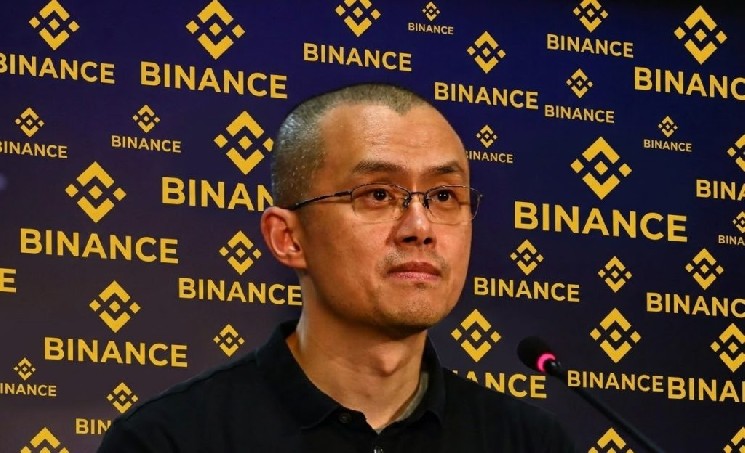
Changpeng Zhao, widely known as CZ in the cryptocurrency world, has been making the rounds in interviews following his release from a U.S. prison facility where he served time as part of his legal settlement. The founder and former CEO of Binance, once the world’s largest cryptocurrency exchange, sat down with the Crypto Banter channel to share intimate details about his incarceration experience and how it fundamentally changed his perspective on life. CZ characterized his time in prison as a genuine “turning point,” describing it not as a period of mere punishment but as an unexpected opportunity for personal growth and reflection. His openness about this challenging chapter demonstrates a vulnerability rarely seen from high-profile tech entrepreneurs, especially those who previously commanded billion-dollar empires.
What makes CZ’s story particularly compelling is his willingness to discuss the human side of incarceration—the fears, the unexpected friendships, and the day-to-day realities that differ dramatically from public perception. Before entering prison, his legal team had prepared him for various scenarios, but the warnings about potential “extortion and blackmail” stood out as his primary concern. The media circus surrounding his imprisonment didn’t help matters, with numerous publications highlighting that he was potentially “the richest person to ever go to a U.S. prison.” This label, while perhaps accurate, painted a target on his back and created anxiety about how other inmates might perceive and treat him. Yet what CZ discovered inside challenged his preconceptions entirely—the people he encountered were far more complex and “reasonable” than stereotypes would suggest, including a former Cisco software engineer serving a 25-year sentence for robbing twelve banks who became a friend and conversation partner during his time inside.
The Harsh Realities of the Justice System
One of the most striking revelations from CZ’s interview was his description of the period just before his release, which he characterized as “worse and more frightening than prison” itself. Being handcuffed and transferred to a detention center as his sentence neared completion exposed him to aspects of the criminal justice system that shook his faith in institutional fairness. This experience left him with what he describes as a serious distrust of the system, particularly its unpredictability—the understanding that rules and procedures could change without warning, leaving individuals powerless regardless of their previous status or wealth. For someone who built one of the world’s most successful financial technology companies on principles of decentralization and reducing reliance on traditional institutions, this personal encounter with arbitrary institutional power likely reinforced his philosophical commitment to systems that operate on transparent, immutable rules rather than human discretion.
CZ’s candid discussion of these fears and frustrations humanizes a figure who had previously been known primarily through corporate announcements and carefully managed public appearances. His willingness to admit vulnerability—to acknowledge that he felt frightened and disempowered—stands in stark contrast to the typical bravado often associated with tech billionaires and crypto entrepreneurs. This authenticity may actually strengthen his standing within the crypto community, where distrust of traditional power structures and centralized authority runs deep. His firsthand experience with what he perceives as systemic unfairness provides him with a narrative that aligns perfectly with cryptocurrency’s foundational principles of creating financial systems that don’t require trust in central authorities or institutions that can arbitrarily change the rules.
Continuing the Blockchain Mission
Despite stepping away from his operational responsibilities at Binance as part of his legal settlement, CZ made it clear during the interview that his commitment to blockchain technology remains unwavering. He revealed that he continues to dedicate between 80 and 90 percent of his time and financial resources to blockchain-related projects and initiatives. This level of commitment is remarkable for someone who has already achieved extraordinary financial success and who might understandably choose to step back from the intense scrutiny and regulatory challenges that come with the cryptocurrency industry. Instead, CZ appears more focused than ever on advancing the technology he believes will reshape global finance and numerous other industries.
When discussing specific cryptocurrencies, CZ maintained that Bitcoin remains the “strongest store of value” in the digital asset space, and he hasn’t yet identified any technology capable of dethroning it from that position. This assessment from someone with such deep industry knowledge and experience carries significant weight. While Binance as an exchange has facilitated trading in thousands of different cryptocurrencies and tokens, CZ’s personal conviction about Bitcoin’s fundamental value proposition speaks to the original cryptocurrency’s unique position in the ecosystem. Bitcoin’s first-mover advantage, its proven security over more than a decade of operation, its fixed supply cap, and its decentralized structure combine to create characteristics that newer projects have struggled to replicate, despite often offering additional features or improved transaction speeds. CZ’s continued faith in Bitcoin suggests that despite all the innovation in the crypto space, the core value proposition of a decentralized, censorship-resistant store of value remains as relevant as ever.
The AI-Crypto Convergence
Looking toward the future, CZ shared his vision of how cryptocurrency and artificial intelligence will increasingly intersect, creating what he believes will be unprecedented demand for blockchain-based transaction systems. He predicts that in the coming years, billions of AI agents will conduct micro-transactions with each other, creating a massive new economy that operates largely independently of direct human involvement. In this scenario, AI systems will need to compensate each other for services, data, computational resources, and various other digital goods—all happening at a scale and speed that would be impossible for humans to manage manually. This vision positions cryptocurrency not as a speculative asset or even primarily as a human payment system, but as the essential infrastructure for an emerging machine economy.
Within this framework, CZ argues that cryptocurrencies currently represent an “undervalued asset class” because the market hasn’t fully priced in this coming transformation. When asked what these AI agents will use for transactions, he rhetorically posed the question: “PayPal?”—before answering his own question with an emphatic “No, the only option is blockchain.” This reasoning makes sense from a technical perspective. Traditional payment systems like PayPal, credit cards, or bank transfers involve significant fees, processing delays, geographic restrictions, and most importantly, require accounts tied to legal entities or individuals with traditional identification. AI agents operating autonomously would struggle to interface with these legacy systems, which were designed around human users and paper-based identity verification. Blockchain systems, by contrast, allow for pseudonymous participation, near-instantaneous settlement, programmable transactions through smart contracts, and fees low enough to make micro-transactions economically viable. For an AI-driven economy involving potentially billions of small transactions, these characteristics aren’t just advantageous—they’re essential.
Philosophical Musings on Wealth and Elon Musk
In a lighter moment during the interview, CZ shared his somewhat tongue-in-cheek theory about Elon Musk, the Tesla and SpaceX CEO who has become one of the world’s most visible entrepreneurs. CZ expressed his belief that Musk isn’t primarily motivated by wealth accumulation—an assessment that seems supported by Musk’s well-documented tendency to invest his personal fortune into risky ventures rather than pursuing safer, more conventional investments. But CZ took this observation in an amusing direction, half-jokingly suggesting that “Elon is an alien and wants to return to his home planet.” He elaborated that Mars isn’t actually Musk’s final destination but merely “a stepping stone,” and that Tesla, SpaceX, and Neuralink are all components of Musk’s ultimate plan to build his “ticket home” to some distant planet or galaxy.
While clearly delivered with humor, this characterization actually touches on something genuine about certain visionary entrepreneurs—they often seem driven by motivations that transcend conventional ambitions of wealth, status, or comfort. Whether it’s Musk’s apparent obsession with making humanity a multi-planetary species, or CZ’s own commitment to rebuilding decentralized financial infrastructure even after personal legal troubles, these individuals display a single-minded focus on transformative goals that can indeed seem almost alien to most people’s everyday concerns. The comment also reflects the mutual respect that exists between many leaders in the technology sector, even across different industries. CZ’s willingness to playfully theorize about Musk’s motivations suggests an understanding that truly ambitious technological visions often require thinking that breaks completely from conventional wisdom—whether that’s believing cryptocurrency can replace traditional banking or believing humanity should colonize other planets.
Looking Forward: A Changed Perspective
As CZ continues to process his experiences and chart his path forward, his interviews reveal someone who has been genuinely transformed by adversity rather than simply waiting to return to business as usual. The combination of legal troubles, imprisonment, and the forced separation from the company he built has given him a perspective that few in his position ever gain. Rather than becoming bitter or withdrawing from public life, he appears more committed than ever to the technological vision that initially drove him to create Binance. His continued dedication of the vast majority of his time and resources to blockchain technology, despite having already achieved extraordinary financial success and despite facing ongoing regulatory scrutiny, speaks to a genuine belief in the transformative potential of this technology rather than mere personal enrichment.
The crypto industry will undoubtedly watch closely to see what projects and initiatives CZ pursues in this next chapter of his career. While he’s no longer running Binance’s day-to-day operations, his influence, experience, and resources position him to potentially make significant contributions to the ecosystem’s development. His predictions about AI agents driving future crypto adoption represent just one vision of how blockchain technology might achieve mainstream utility beyond speculative trading. Whether through investment, advisory roles, or new ventures, CZ seems determined to ensure that his most significant contributions to the blockchain revolution are still ahead of him. His story serves as a reminder that in the fast-moving world of technology and cryptocurrency, setbacks—even serious ones like criminal prosecution and imprisonment—don’t necessarily mark the end of someone’s impact. Sometimes they mark a transition to a new phase with different priorities, deeper wisdom, and perhaps even greater potential for meaningful contribution to the fields they care about most.