


Ceasefire Broken: Russia and Ukraine Trade Accusations as Fragile Peace Collapses
Another Failed Attempt at Peace
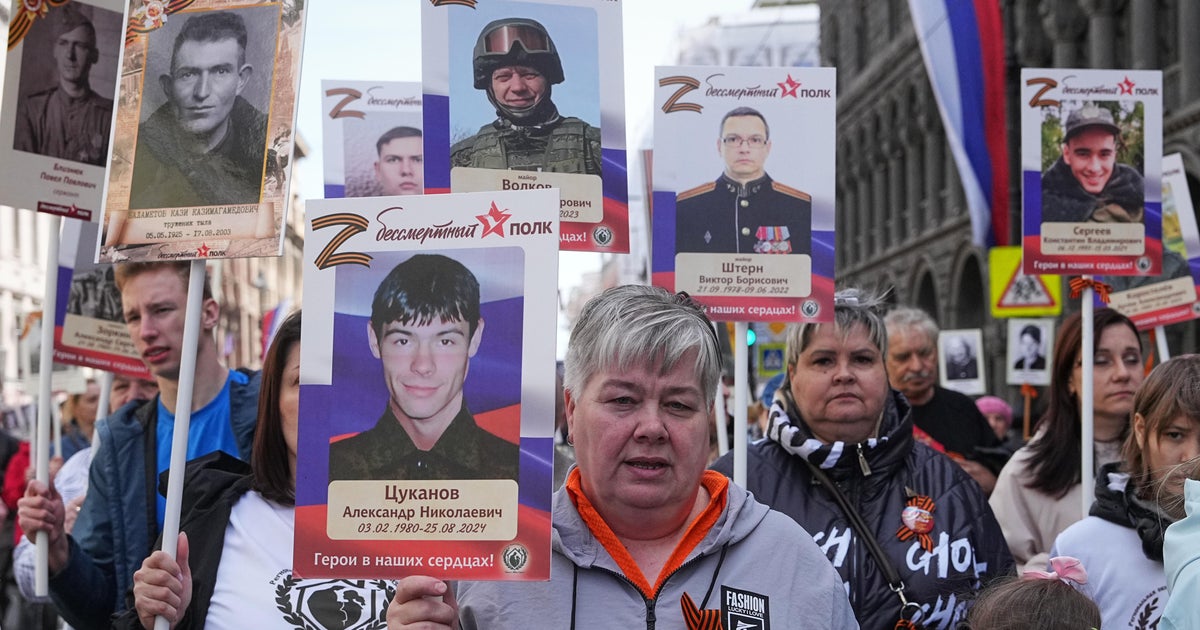
The hope for even a brief pause in the grinding conflict between Russia and Ukraine crumbled over the weekend as both nations accused each other of violating a ceasefire that many had hoped might mark a turning point in the devastating war. What was supposed to be a three-day respite from fighting, announced by President Trump on Friday and tied to Russia’s Victory Day celebrations, quickly devolved into a familiar pattern of mutual recriminations, drone strikes, and artillery fire. The ceasefire, which Trump had optimistically described as potentially the “beginning of the end” of the war, instead became yet another reminder of how deeply entrenched this conflict has become and how little trust remains between the two sides. As Sunday wore on, it became painfully clear that whatever goodwill might have existed was evaporating faster than anyone could have anticipated, leaving diplomats scrambling and civilians on both sides once again bearing the brunt of renewed hostilities.
Casualties Mount Despite Truce
The human cost of the failed ceasefire became tragically apparent as reports of deaths and injuries poured in from both sides of the conflict. Ukrainian President Volodymyr Zelenskyy didn’t mince words in his evening statement on Sunday, flatly declaring that Russia was “neither observing the truce nor even particularly trying to.” His frustration was understandable given the casualties his country continued to suffer despite what was supposed to be a pause in fighting. Ivan Fedorov, who leads Ukraine’s southeastern Zaporizhzhia region, reported that one person had been killed and three others injured by Russian artillery and drone attacks within just 24 hours of the ceasefire supposedly taking effect. Across other Ukrainian regions, local officials tallied another 16 people wounded in various attacks. Meanwhile, on the Russian side, two people were reportedly injured by Ukrainian shelling in the Russian-occupied portions of Ukraine’s Kherson region, according to the Moscow-installed regional leader Vladimir Saldo. These weren’t just statistics or numbers on a page—they were real people, caught in the crossfire of a conflict that shows no signs of ending despite international efforts to broker peace.
Competing Claims of Violations
As the ceasefire unraveled, both sides rushed to paint themselves as the aggrieved party while portraying their opponent as the aggressor unwilling to honor commitments. Russia’s Ministry of Defense made sweeping accusations, claiming that Kyiv had committed more than 1,000 ceasefire violations, though the specificity and veracity of such a precise count remained questionable. According to Russian state media reports citing a daily military briefing, Ukrainian forces allegedly attacked civilian targets across several Russian regions and struck Russian military positions along the sprawling front line. The Russian military insisted it had merely “responded in kind” to these violations, framing its continued attacks as defensive reactions rather than offensive operations. On the Ukrainian side, Zelenskyy emphasized that his forces had deliberately “refrained from long-range retaliatory actions” on both Saturday and Sunday specifically because there had been a noticeable lull in large-scale Russian attacks. He stressed Ukraine’s growing capability to strike targets deep inside Russian territory—a not-so-subtle reminder that Ukraine’s military reach had expanded significantly since the war’s early days—while pledging that Ukraine would continue to “respond in the same mirrorlike manner” to whatever actions Russia took.
Tensions and Taunts Between Leaders
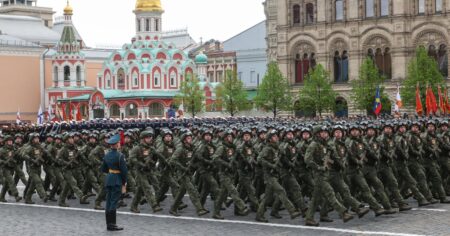
Beyond the battlefield violations, the psychological warfare and verbal sparring between leadership on both sides added another layer of tension to an already volatile situation. Zelenskyy couldn’t resist taking a jab at Russian authorities before the ceasefire began, suggesting they “fear drones may buzz over Red Square” during Moscow’s sacred May 9 Victory Day parade, which commemorates the Soviet Union’s triumph over Nazi Germany in World War II. He followed up President Trump’s ceasefire announcement by mockingly declaring Red Square temporarily off-limits for Ukrainian strikes, ostensibly to allow the Russian military parade to proceed without incident. The Kremlin dismissed this comment as a “silly joke,” but the exchange highlighted the deep animosity and lack of respect between the two nations’ leaders after more than four years of devastating warfare. These weren’t the words of parties genuinely committed to finding peaceful resolution; they were the taunts of bitter enemies who had long since abandoned any pretense of diplomatic courtesy. The fact that even a temporary humanitarian pause could become an occasion for mockery and counter-mockery spoke volumes about how poisoned the relationship between Moscow and Kyiv had become.
Diplomatic Efforts Continue Despite Setbacks
Even as the ceasefire collapsed in real time, diplomatic machinery continued grinding forward, though whether it was making any actual progress remained highly questionable. Russian presidential aide Yuri Ushakov announced on Sunday that he expected U.S. envoy Steve Witkoff and Jared Kushner—President Trump’s son-in-law, who along with Witkoff had taken a leading role in negotiations to end the war—to visit Moscow “soon enough.” This suggested that behind-the-scenes diplomatic channels remained open despite the very public failure of the ceasefire. However, Ushakov immediately tempered any optimism by reiterating Moscow’s hardline position: Russia would not budge from its demand that Ukrainian troops completely withdraw from Ukraine’s eastern Donbas region. “Until [Ukraine] takes that step, we can hold several more rounds, dozens of rounds [of negotiations], but we’ll be stuck in the same place,” Ushakov was quoted as saying by the state news agency Tass. This statement laid bare the fundamental impasse at the heart of the conflict—Russia demanding territorial concessions that Ukraine considers tantamount to surrender, while Ukraine insists on the restoration of its internationally recognized borders. The prisoner swap that was supposed to accompany the ceasefire—with both sides exchanging 1,000 prisoners—had been presented by Trump as a confidence-building measure, but even this humanitarian gesture seemed overshadowed by continued fighting.
A Familiar Pattern of Failed Truces
For anyone who had been following the conflict closely, Sunday’s ceasefire breakdown felt depressingly familiar. Previous ceasefires, including the most recent one declared during Orthodox Easter, had similarly failed to produce any tangible results, collapsing under the weight of deep mistrust between Moscow and Kyiv that had only intensified over more than four years since Russia launched its full-scale invasion of its neighbor. The pattern was always the same: a ceasefire would be announced with great fanfare, often tied to a religious holiday or significant date; both sides would publicly commit to honoring it; fighting would continue or quickly resume; and each side would blame the other for violations. The timeline of the latest three-day pause was itself somewhat unclear, with Russia and Ukraine having previously announced ceasefires on different days, creating confusion about when exactly the pause in fighting was supposed to begin and end. President Trump had specified that the temporary ceasefire would suspend fighting from Saturday through Monday, terms to which both Ukraine and Russia appeared to agree, at least in principle. But principle and practice proved to be very different things. U.S.-led diplomatic efforts to stop the war had largely stalled, with neither side showing willingness to make the kinds of compromises that would be necessary for a lasting peace agreement. As another ceasefire crumbled, the prospects for ending this devastating conflict seemed as distant as ever, leaving millions of people on both sides to wonder how much longer the bloodshed would continue.