



White House Eyes Independence Day Deadline for Crypto Legislation as Industry Faces Critical Crossroads
An Ambitious Timeline for Digital Asset Regulation
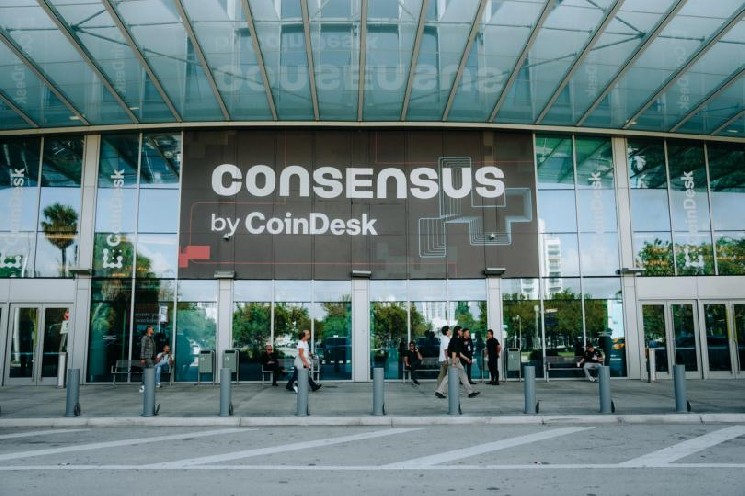
The crypto industry received potentially groundbreaking news this week when White House adviser Patrick Witt suggested that the long-awaited Clarity Act could become law by July 4th. Speaking at the Consensus Miami 2026 conference, Witt laid out an ambitious but technically feasible timeline that has energized supporters of comprehensive crypto regulation. According to his projections, the process would require several carefully coordinated steps: a committee markup this month, which appears highly probable given current momentum; approximately four weeks for the Senate to merge bills from both the Banking and Agriculture committees; several additional weeks to reconcile differences with the House version; followed by a final House vote and presidential signature. While each step presents its own challenges and requires precise timing, Witt’s confidence reflects a growing sense that meaningful crypto legislation may finally be within reach after months of starts and stops. The July 4th target date carries symbolic weight, potentially positioning digital asset clarity as a new kind of financial independence for American innovators and investors. However, political observers remain cautiously optimistic, recognizing that legislative processes rarely proceed exactly as planned, and unexpected obstacles could still derail or delay the timeline.
Key Debates and Voices at Consensus Miami
The Consensus Miami 2026 conference served as more than just a platform for Witt’s announcement—it became a crucial gathering point for lawmakers, industry leaders, and policymakers to hash out the future direction of crypto regulation in America. Among the most notable voices was Senator Kirsten Gillibrand, who made a strong push for including ethics provisions in any market structure legislation. Her concerns reflect growing public scrutiny over potential conflicts of interest between government officials and the crypto industry, particularly given high-profile political figures’ involvement in digital asset ventures. One of the conference’s most engaging moments came during a spirited debate about prediction markets and whether they constitute a form of gambling. While the discussion didn’t reach a definitive conclusion, it highlighted the complex regulatory questions that still surround emerging crypto applications. The event also featured discussions on what components are essential for the Clarity Act to be effective, with various stakeholders offering sometimes conflicting perspectives on how to balance innovation with consumer protection. The diversity of viewpoints demonstrated both the complexity of crafting comprehensive crypto legislation and the genuine engagement across political and industry lines that’s driving the current momentum toward regulatory clarity.
What American Voters Really Think About Cryptocurrency
In conjunction with the Miami conference, CoinDesk released revealing survey results that paint a nuanced picture of how ordinary Americans view cryptocurrency heading into the 2026 election cycle. The survey of 1,000 registered voters, conducted between April 21-27, contained several findings that should concern industry advocates. Most significantly, crypto ranked at the bottom of voters’ priority lists when compared with pressing concerns like the economy, healthcare, and other kitchen-table issues. This suggests that despite the industry’s growth and mainstream media attention, digital assets haven’t yet become a voting issue for most Americans. Perhaps more troubling for the current administration, a majority of surveyed voters expressed discomfort with President Donald Trump’s administration overseeing the crypto sector, though notably, only 17% of respondents were even aware that Trump and his family had co-founded World Liberty Financial, a major crypto venture. The survey also revealed that Americans overwhelmingly oppose senior government officials having ties to crypto business interests—a finding that underscores Senator Gillibrand’s push for ethics provisions. When asked to choose between traditional banks and crypto projects for financial services, voters showed a strong preference for established banking institutions, suggesting that despite years of innovation, the industry still faces significant trust challenges among mainstream consumers.
Industry Developments and Ongoing Challenges
Beyond the legislative and political discussions, the conference period coincided with several significant developments across the crypto ecosystem that demonstrate both the industry’s continued evolution and its persistent vulnerabilities. Aave, one of the leading decentralized finance protocols, announced plans to expand its collateral and listing standards following a security exploit involving KelpDAO, highlighting the ongoing security challenges that plague the DeFi sector. In a potentially significant development for American crypto users, Binance founder Changpeng Zhao floated the possibility of reviving Binance.US, which could provide U.S. customers with access to global crypto liquidity that has been largely unavailable since the exchange faced regulatory scrutiny. A Tether executive warned that the 2026 midterm elections could have a “seismic impact” on the crypto industry, emphasizing that the current regulatory window may not remain open indefinitely. The stablecoin sector, which recently received what some have called its “permission slip” through preliminary regulatory frameworks, now faces the hard work of implementation and proving these dollar-pegged tokens can operate safely at scale. Meanwhile, Donald Trump Jr. was forced to address rumors that World Liberty Financial was falling apart, denying reports of internal turmoil at the family’s crypto venture even as questions about conflicts of interest continue to swirl.
Traditional Finance Embraces Blockchain Technology
One of the more intriguing developments to emerge during this period involves Wall Street’s increasing embrace of blockchain technology for traditional financial operations. Major financial institutions’ clearinghouse infrastructure is actively seeking “high-performance” blockchain platforms to tokenize corporate actions—the various events like stock splits, dividends, and mergers that affect securities holders. This move represents a significant validation of blockchain technology’s potential to improve efficiency in legacy financial systems, even as cryptocurrency itself faces skepticism from mainstream voters. The convergence of traditional finance and blockchain technology may ultimately prove more transformative than standalone crypto applications, potentially creating a bridge between the old financial system and new digital asset infrastructure. Additionally, White House advisers indicated that an update on the proposed U.S. Bitcoin Reserve would be coming in the “next few weeks,” keeping alive discussions about whether the federal government should hold cryptocurrency as a strategic asset. These developments collectively suggest that regardless of public opinion on cryptocurrency as an investment or political issue, blockchain technology is steadily integrating into critical financial infrastructure in ways that may ultimately matter more for long-term adoption than speculative trading or political positioning.
Looking Ahead: Critical Weeks for Crypto Policy
As the industry looks toward the scheduled Senate Banking Committee markup hearing on Thursday at 10:30 a.m. ET, stakeholders across the ecosystem recognize that the coming weeks represent a critical juncture for crypto regulation in America. The markup hearing will be the first concrete step in Patrick Witt’s proposed timeline toward a July 4th signing of the Clarity Act, and its outcome will signal whether the ambitious schedule is realistic or overly optimistic. The tension between rapid legislative action and the need for comprehensive consumer protections creates a delicate balancing act for lawmakers. Senator Gillibrand’s insistence on ethics provisions reflects legitimate public concerns revealed in the CoinDesk survey, yet adding requirements could slow the legislative process or create new points of contention. The crypto industry finds itself in a paradoxical position: desperately wanting regulatory clarity after years of uncertainty, yet wary that rushed legislation might lock in frameworks that prove problematic as technology evolves. As discussions continue at forums like the upcoming Bermuda Digital Finance Forum, industry participants must grapple with hard questions about trust, transparency, and the role of digital assets in the broader economy. The survey results showing crypto at the bottom of voters’ priorities might actually work in the industry’s favor, potentially allowing for more substantive policy discussions without the distortions that come with high-stakes electoral politics. Whether the July 4th deadline proves realistic or not, the current momentum toward comprehensive crypto legislation appears stronger than it has been in months, suggesting that one way or another, significant regulatory changes are coming soon to America’s digital asset landscape.