


Understanding the Hantavirus Outbreak: A Health Expert’s Perspective on Public Safety and FDA Leadership
Cruise Ship Outbreak Raises Public Health Questions
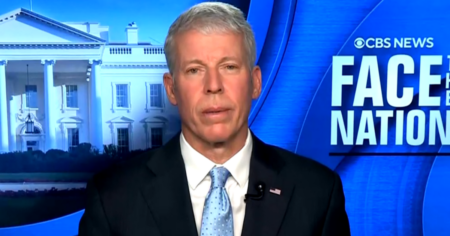
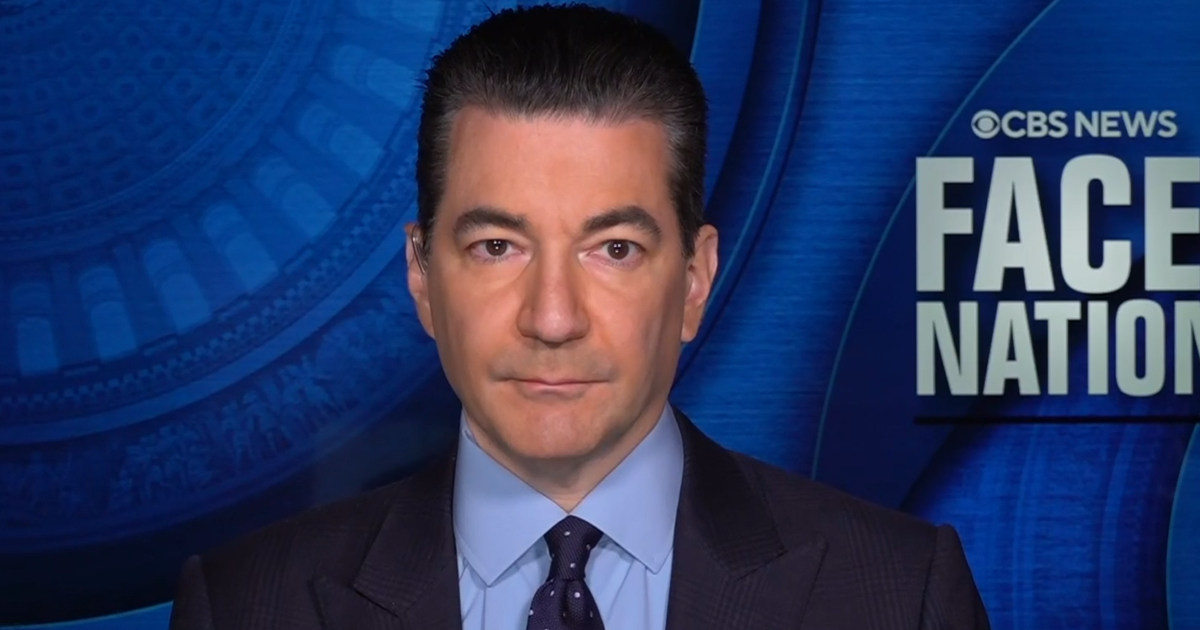
In a recent episode of “Face the Nation,” former FDA Commissioner Dr. Scott Gottlieb provided crucial insights into an emerging Hantavirus outbreak that originated on a cruise ship. The situation has captured public attention as passengers, including 17 Americans, were evacuated to quarantine facilities following three deaths linked to the virus. The passengers arrived in Spain’s Canary Islands where they underwent health screenings before being flown to specialized quarantine units, with American passengers heading to a facility in Nebraska. Despite the concerning nature of the outbreak, Dr. Gottlieb aligned with assessments from both the CDC and World Health Organization that the overall risk to public health remains low. However, he emphasized that this reassurance comes with important caveats, as there’s still much scientists don’t fully understand about this particular virus.
Dr. Gottlieb explained that based on previous outbreaks, particularly two significant incidents in Argentina, Hantavirus typically requires close contact for transmission. People generally aren’t contagious until they begin showing symptoms, and the progression from initial symptoms to severe illness or death can occur within just days, making this an especially aggressive pathogen. The silver lining is that health officials are approaching a critical window for monitoring. Since the last death on the cruise ship occurred on May 2nd, with symptoms beginning on April 28th, and considering the virus’s incubation period of two to six weeks, authorities expect to have a clearer picture within approximately two weeks of whether additional cases will emerge from the initial outbreak. This timeline provides a specific endpoint for heightened vigilance while allowing for cautious optimism about containment.
Pandemic Skepticism and Treatment Controversies
The outbreak has unfortunately reignited debates that dominated the COVID-19 pandemic, with skeptics once again questioning government institutions and official health guidance. Dr. Gottlieb addressed concerns about alternative treatments, particularly ivermectin, which some social media users have been promoting and even suggesting people stockpile. He firmly discouraged this approach, explaining that ivermectin simply doesn’t work against Hantavirus due to its mechanism of action—it prevents viral replication in the cell nucleus rather than in the cytoplasm where this virus operates. The concerning reality, as Dr. Gottlieb emphasized, is that there are currently no effective treatments for Hantavirus, which is precisely what makes this outbreak so menacing and why prevention and containment are paramount.
The former commissioner acknowledged that society will be “relitigating the consequences of COVID for a long time,” and this ongoing debate is influencing how current public health officials approach their roles and communications. While the WHO has been clear that this situation is not “COVID all over again,” the echoes of pandemic-era conflicts continue to complicate public health messaging. Dr. Gottlieb noted that many current public health leaders view their positions as referendums on COVID response, which influences their public statements and policy decisions. This dynamic creates additional challenges in communicating effectively about new health threats while maintaining public trust and avoiding either alarmism or complacency.
Alarming Departures from the FDA
Perhaps the most striking revelations from the interview concerned the current state of the Food and Drug Administration, the agency Dr. Gottlieb once led. He painted a troubling picture of an organization experiencing significant upheaval, having lost thousands of medical reviewers through both voluntary and involuntary departures related to recent government efficiency initiatives. The specific numbers he cited are genuinely shocking: the oncology division started the current administration with approximately 100 medical reviewers and has been reduced to about 50. The hematological group reviewing drugs for leukemia and lymphoma dropped from 21 reviewers to just six. Perhaps most concerning, the agency lost an entire breast cancer review team—the specialists responsible for evaluating potentially life-saving cancer treatments.
These departures represent more than just staffing numbers; they reflect a loss of institutional knowledge, expertise, and capacity at an agency responsible for regulating roughly one-fifth of consumer spending in the United States. The FDA oversees medical products, food safety, and numerous other areas critical to public health and daily life. Dr. Gottlieb noted that political appointees have taken over positions traditionally held by career professionals, including leadership of the medical product centers, drug center, and biologics center. This shift from career expertise to political appointment represents a fundamental change in how the agency operates. Adding to the instability, there has been ongoing speculation about whether current FDA Commissioner Dr. Marty Makary, who was a vocal critic of COVID response during both the Trump and Biden administrations, might lose his position. Dr. Gottlieb, who considers Makary a friend, acknowledged the difficulty of the role and noted he himself faced criticism during his tenure, but expressed concern that continued leadership uncertainty would further damage the agency.
HHS Secretary’s Comments on Antidepressants Raise Concerns
Dr. Gottlieb also addressed recent controversial statements by HHS Secretary Robert F. Kennedy Jr. regarding antidepressants, specifically SSRIs (Selective Serotonin Reuptake Inhibitors) used by nearly 17% of Americans. Secretary Kennedy had compared heroin withdrawal to a family member’s experience discontinuing antidepressants, describing severe suicidal ideation during the process. While Kennedy later clarified he wasn’t telling people to stop their medications, Dr. Gottlieb expressed serious concerns about the potential impact of such statements on public behavior. He acknowledged that like any medication prescribed in primary care settings, there may be some instances of marginal or inappropriate prescribing, but emphasized that for most Americans taking these medications, they are very important and in some cases life-saving.
The former commissioner urged anyone considering stopping antidepressants based on the Secretary’s comments to consult with their doctor first. He explained that there is a proper process for weaning off these medications and that alternatives might be available for managing mental health, but that nobody should abruptly stop taking them without medical supervision. Dr. Gottlieb drew parallels to Secretary Kennedy’s previous comments about Tylenol use during pregnancy, which discouraged even appropriate use of the medication among pregnant women who needed pain and fever relief. He worried that the antidepressant comments could similarly discourage legitimate use of these important medications, and noted that the Secretary appeared intent on reducing prescribing rates through both public statements and potential regulatory measures. This pattern of casting doubt on widely-used medications raises questions about the balance between addressing legitimate concerns about overprescription and maintaining access to beneficial treatments.
The Challenge of Balancing Public Health Leadership and Trust
What emerges from this interview is a complex picture of public health leadership during a time of diminished institutional trust. Dr. Gottlieb, speaking from his experience both as a former FDA commissioner and current board member of major healthcare companies like Pfizer and UnitedHealthcare, occupies a unique position to observe these challenges. His measured responses to the Hantavirus situation demonstrate the careful balance required in public health communication—being honest about uncertainties while providing reassurance based on available evidence. He acknowledged “outlier cases” in previous outbreaks that don’t fit the typical transmission pattern, showing intellectual honesty about the limits of current knowledge while still supporting the official assessment of low public health risk.
The interview reveals how the legacy of COVID-19 continues to cast a long shadow over public health institutions and their ability to respond to new threats. The erosion of expertise at the FDA, ongoing debates about treatment options fueled by social media, and high-level officials making statements that may discourage appropriate medication use all point to a system under strain. Dr. Gottlieb’s commentary suggests that rebuilding institutional capacity and public trust will require not just addressing immediate health threats, but also confronting the systemic challenges that have emerged in recent years. The question of who could replace the current FDA commissioner if needed, with Dr. Gottlieb stating no obvious candidates come to mind, further underscores the precarious state of leadership in this critical agency that touches so many aspects of American life, from the safety of our food to the approval of life-saving medications.