
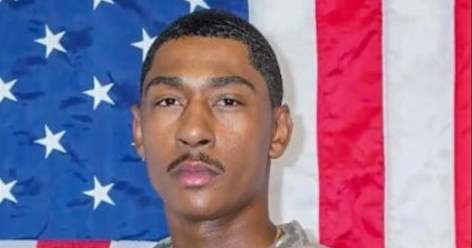

American Soldier’s Body Found After Tragic Incident During Morocco Training Exercise
A Heartbreaking Discovery Along Morocco’s Coast
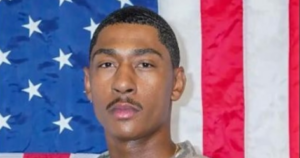
The U.S. Army announced on Sunday a devastating conclusion to part of a weeklong search effort along Morocco’s southern coastline. The body of First Lieutenant Lamont Key Jr., a 27-year-old soldier from Richmond, Virginia, was recovered by a Moroccan military search team on Saturday morning. Key was one of two American service members who vanished into the ocean waters near the Cap Draa Training Area on May 2nd, during what was supposed to be a routine training deployment. The discovery came approximately eight days after the incident, with Key’s remains found about a mile down the shoreline from where both soldiers were last seen. While one family now faces the painful reality of loss, another continues to endure the agony of uncertainty, as search operations for the second missing serviceman remain ongoing. The incident has cast a shadow over what is typically considered a valuable international military partnership exercise, reminding everyone involved of the inherent risks service members face even during training operations far from active combat zones.
The Fateful Evening That Changed Everything
According to preliminary reports shared by defense officials, the tragedy unfolded during what should have been a peaceful moment of camaraderie among soldiers. A group of service members had set out on a hike near the Moroccan coast with the simple intention of watching the sunset together—a brief respite from their training duties and an opportunity to take in the natural beauty of their temporary surroundings. The situation turned dire when one soldier, who was known among his peers to be unable to swim, somehow fell into the ocean waters. What happened next speaks to the selfless nature ingrained in military culture: the second missing soldier didn’t hesitate before jumping into the water in an attempt to rescue his fellow service member. Tragically, he was struck by a wave during the rescue attempt. Other soldiers who witnessed the unfolding crisis immediately tried to help their comrades, but despite their efforts, the powerful ocean proved too formidable. The two men disappeared beneath the waves, triggering an extensive search operation that would mobilize more than 1,000 American and Moroccan military and civilian personnel in a desperate race against time.
A Massive International Search Effort
In the days following the incident, the search operation became a testament to the strong partnership between American and Moroccan forces. More than 1,000 personnel from both nations’ military branches, along with civilian responders, were deployed to scour the coastline and waters near Cap Draa. The scale of the response reflected not only the commitment to leaving no service member behind but also the deep respect between allied nations. Searchers worked tirelessly through challenging conditions, combing beaches, deploying watercraft, and likely utilizing various technological resources to locate the missing soldiers. When Key’s body was discovered by the Moroccan military team at approximately 8:55 a.m. local time on Saturday, it provided at least some closure, though the pain of loss remained acute. Army officials immediately adjusted their search strategy, announcing that ongoing efforts would now concentrate on the specific location where Key’s remains were found, while still maintaining surveillance of a broader perimeter. The hope is that this focused approach might lead to finding the second missing serviceman, whose identity has not been publicly released, presumably to protect his family’s privacy during this difficult time as they continue to hope for his safe recovery.
Remembering First Lieutenant Lamont Key Jr.
Behind the military rank and the tragic circumstances of his death was a young man with dreams, achievements, and people who loved him. At just 27 years old, Lamont Key Jr. had already built an impressive foundation for what should have been a long and distinguished career. Before joining the military in 2023, he earned a Bachelor of Science degree in marketing from Methodist University in North Carolina, where his ambition and drive were evident in his decision to also complete minors in international business, entrepreneurship, and business administration. This academic background suggested someone who thought broadly about his future and wanted to equip himself with diverse skills. After joining the Army, Key became an air defense artillery officer with the 10th Army Air and Missile Defense Command, joining his battalion in 2025 and quickly rising to become a platoon leader. Those who served alongside him remembered him as caring, selfless, and inspirational—qualities that earned him recognition through various awards, including the Army Achievement Medal and Army Service Ribbon. Lt. Col. Chris Couch, commander of 5-4 ADAR, captured the sentiment of many when he said Key “embodied the highest standards of service as a selfless, inspirational leader whose unwavering dedication to his Soldiers and their development leaves an enduring legacy within our ranks.” Key leaves behind his parents, his sister, and his brother-in-law, all of whom were notified before the Army’s public announcement.
The African Lion Exercise and Its Importance
The tragedy occurred during African Lion, an annual military training exercise that represents one of the largest international exercises on the African continent. These exercises are designed to strengthen military partnerships, improve interoperability between allied forces, and enhance readiness for various operational scenarios. Defense officials were careful to note that while both missing service members were participating in African Lion, the incident itself was not believed to be related to the actual training activities. This distinction is important because it underscores that the drowning was not the result of a training accident or exercise gone wrong, but rather a tragic incident that occurred during personal time. The African Lion exercise brings together thousands of participants from multiple nations, with Morocco serving as a key partner and host. The Cap Draa Training Area, where the incident occurred, is located along Morocco’s southern coast, a region known for its beautiful but sometimes treacherous waters. While these international exercises are invaluable for military preparedness and diplomatic relations, this incident serves as a sobering reminder that service members face risks even when they’re not in combat situations, and that the ocean—regardless of location—demands respect and caution from everyone, swimmers and non-swimmers alike.
Honoring Service and Moving Forward
As plans move forward to repatriate Key’s remains from Morocco to the United States, the military community faces the difficult task of honoring his service while continuing the search for their still-missing comrade. Brigadier Gen. Curtis King, commanding general of the 10th Army Air and Missile Defense Command, acknowledged this emotional complexity in his statement, noting that Key’s colleagues were “grieving” and would “continue to support one another” as well as the soldier’s family “as we honor his life and service.” This commitment to mutual support reflects the military’s understanding that loss affects entire units, not just immediate families. The tragedy also highlights the brotherhood that exists within military ranks—the second missing soldier’s immediate response to jump into dangerous waters to attempt a rescue embodies the “leave no one behind” ethos that defines military service. While we don’t yet know if Key was the soldier who fell or the one who jumped in to help, the distinction may matter less than the fact that both men were there, together, when disaster struck. As the search continues and as Key’s family prepares to lay him to rest, the military community will rally around all those affected, providing the support systems that help service members and their families navigate unimaginable loss. The incident serves as a powerful reminder that those who wear the uniform accept risks every day, whether in combat zones or on training exercises in allied nations, and that the commitment to service sometimes demands the ultimate sacrifice in the most unexpected moments.