
How Markets Are Reacting to Middle East Unrest: A Comprehensive Analysis
The Immediate Market Response to Regional Instability
When tensions flare in the Middle East, the global financial markets react almost instantaneously, and for good reason. This strategically crucial region sits at the intersection of global energy supplies, international trade routes, and geopolitical power dynamics. Investors worldwide watch Middle Eastern developments with hawk-like attention because what happens in this region rarely stays contained there. The market reactions we’re witnessing today follow familiar patterns established over decades, yet each new crisis brings its own unique characteristics and challenges.
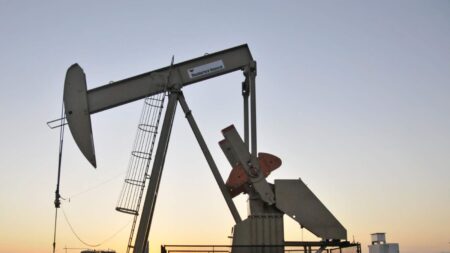
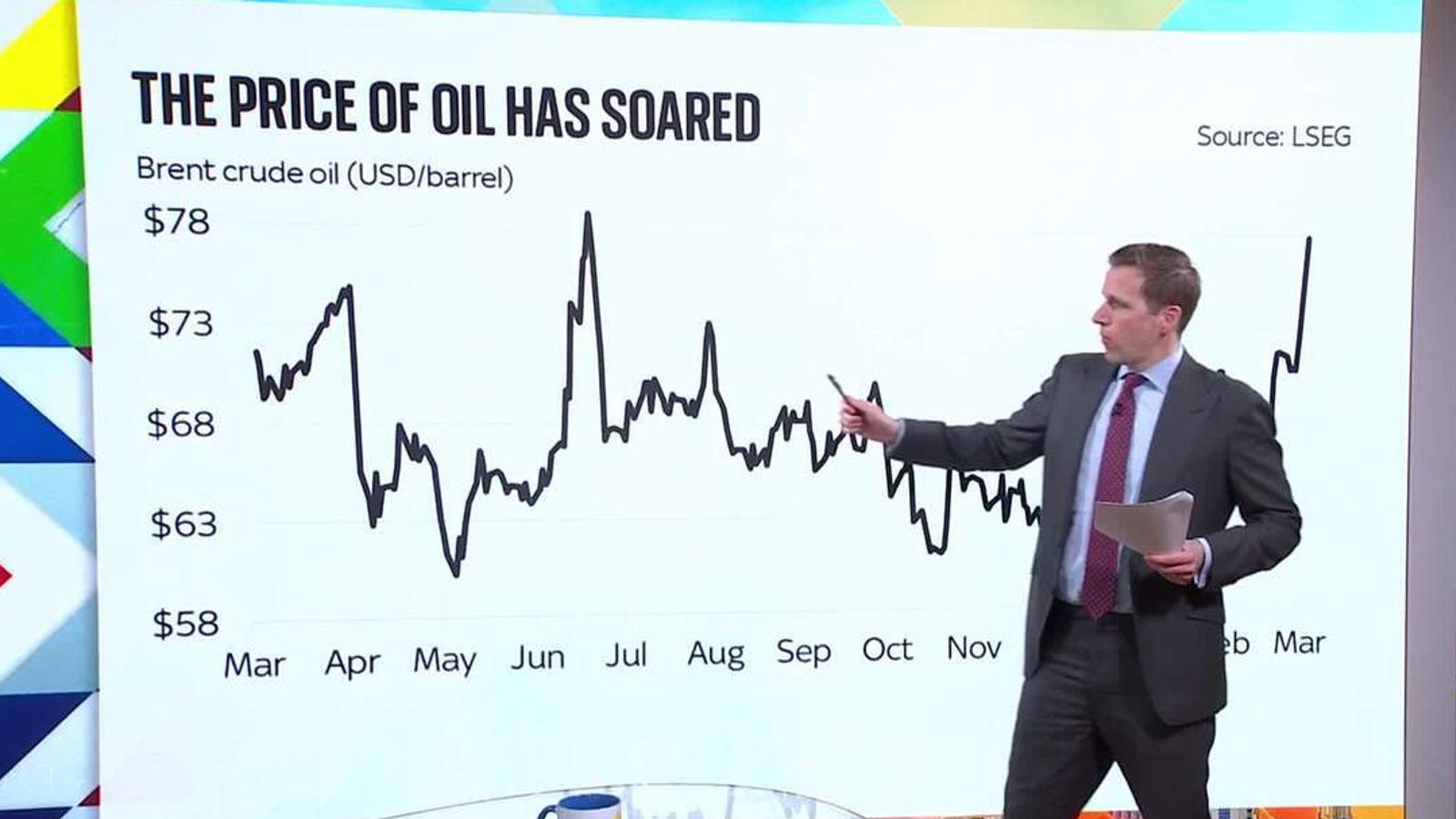
The most immediate and visible response typically occurs in energy markets. Oil prices tend to spike at the first hint of conflict or instability, as traders price in the potential for supply disruptions. Crude oil benchmarks like Brent and West Texas Intermediate often jump several percentage points within hours of breaking news about military actions, attacks on infrastructure, or diplomatic breakdowns. This reaction stems from the Middle East’s outsized role in global oil production—the region accounts for roughly one-third of worldwide crude output and holds the majority of proven reserves. Even when the specific conflict doesn’t directly threaten oil facilities, markets factor in the possibility of escalation, retaliatory actions, or impacts on shipping through critical chokepoints like the Strait of Hormuz, through which approximately 21 million barrels of oil pass daily.
Beyond energy, we see concurrent movements across multiple asset classes. Safe-haven assets become increasingly attractive as uncertainty rises. Gold prices typically climb as investors seek stores of value that transcend political boundaries and aren’t dependent on any single government’s stability. Similarly, the U.S. dollar often strengthens during Middle Eastern crises, despite America’s deep involvement in the region, because it remains the world’s primary reserve currency and the safest place for nervous money. Government bonds, particularly U.S. Treasuries and German Bunds, also see increased demand as investors shift from riskier assets to those backed by stable governments. Meanwhile, equity markets, especially in sectors unrelated to defense or energy, often experience sell-offs as investors reduce exposure to potential volatility.
The Ripple Effects Across Global Trade and Supply Chains
The impact of Middle Eastern instability extends far beyond immediate commodity price fluctuations, sending ripples throughout the intricate web of global trade and supply chains. Modern commerce relies on predictability and stability, both of which become scarce commodities when geopolitical tensions rise. Shipping companies face difficult decisions about route planning, insurance costs skyrocket, and businesses throughout the supply chain must recalculate their risk assessments and operational costs.
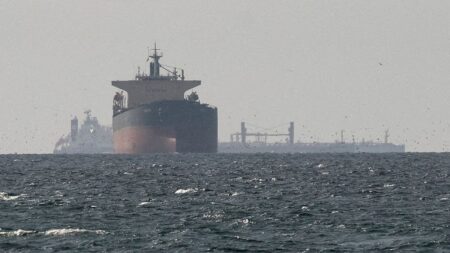
The maritime shipping industry feels these effects particularly acutely. The Middle East hosts several critical maritime chokepoints, including the Strait of Hormuz, the Suez Canal, and the Bab el-Mandeb strait. When these passages face threats—whether from military action, piracy, or other security concerns—shipping companies must weigh the risks of maintaining their routes against the considerable expense and time required to find alternatives. Recently, attacks on commercial vessels have forced some shipping giants to reroute around Africa’s Cape of Good Hope, adding approximately 3,500 nautical miles and ten days to the journey from Asia to Europe. These detours translate directly into higher costs for fuel, crew wages, and delayed deliveries, expenses that eventually work their way through to consumer prices.
Insurance markets respond swiftly to heightened risk in the region. War risk premiums—additional insurance costs for vessels transiting dangerous waters—can multiply several times over when threats escalate. These increased costs affect not just oil tankers but all manner of commercial shipping, from container ships carrying consumer goods to specialized vessels transporting automobiles, grain, and other commodities. The psychological impact on markets shouldn’t be underestimated either; even when actual disruptions remain limited, the mere perception of increased risk can cause businesses to adjust their operations, hold larger inventories as buffers, or seek alternative suppliers, all of which create inefficiencies and additional costs that reverberate through the global economy.
Sector-Specific Winners and Losers in Times of Crisis
Middle Eastern instability doesn’t affect all market sectors equally—while some industries struggle, others experience windfall gains, creating a complex patchwork of winners and losers across the investment landscape. Understanding these sector-specific dynamics helps explain why overall market indices might show relatively muted reactions even when significant turbulence roils beneath the surface.
The energy sector naturally stands at the forefront of crisis beneficiaries. Oil and gas producers, particularly those outside the conflict zone, see their profit margins expand as prices rise. Major international oil companies, North American shale producers, and national oil companies in stable regions all benefit from higher prices without facing the operational disruptions that might affect Middle Eastern producers. Energy services companies, drilling contractors, and pipeline operators also tend to see positive sentiment from investors betting on sustained elevated prices. However, this comes with caveats—extremely high oil prices can trigger demand destruction, accelerate transitions to alternative energy, and invite government intervention through strategic reserve releases or price controls.
Defense contractors and cybersecurity firms represent another category of beneficiaries. As regional conflicts intensify, governments increase defense spending, accelerate existing procurement programs, and fast-track new ones. Companies specializing in missile defense systems, military aircraft, surveillance technology, and cybersecurity solutions often see their stock prices rise on expectations of new contracts. The defense sector’s appeal during crises extends beyond immediate profit potential; these companies are also perceived as somewhat insulated from the economic disruptions that might affect other industries.
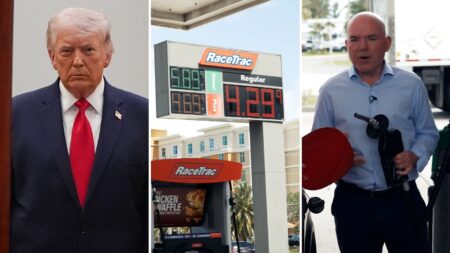
Conversely, airlines and tourism-related businesses typically suffer during Middle Eastern crises. Higher jet fuel costs squeeze already thin profit margins for carriers, while security concerns and travel warnings reduce passenger demand, particularly for routes anywhere near the affected region. Hotels, cruise lines, and travel booking platforms all face headwinds. The automotive industry and other manufacturing sectors heavily dependent on complex global supply chains also find themselves vulnerable, as disrupted component deliveries can force production slowdowns or shutdowns. Consumer discretionary sectors often underperform as well, since higher energy prices reduce disposable income and consumer confidence tends to decline when geopolitical headlines turn dark.
The Role of Speculation Versus Fundamental Supply Concerns
One of the most important questions for both investors and policymakers is determining how much of the market reaction reflects genuine threats to supply and demand fundamentals versus speculative positioning and psychological factors. This distinction matters enormously because it influences whether interventions like strategic petroleum reserve releases will prove effective and whether price movements will prove sustainable or quickly reverse.
In modern commodity markets, the volume of financial trading vastly exceeds the physical trade in actual barrels of oil or cubic feet of natural gas. Hedge funds, algorithmic traders, and institutional investors all take positions based on geopolitical developments, often amplifying price movements beyond what fundamental supply-demand factors alone would justify. When news breaks of attacks, diplomatic breakdowns, or military mobilizations, computerized trading systems can execute thousands of trades in milliseconds, creating rapid price swings that reflect changing probability assessments rather than actual barrels being removed from the market.
That said, the fundamental concerns underlying these reactions are very real. The Middle East’s concentration of oil production creates an inherent vulnerability in global energy markets. Saudi Arabia alone possesses the world’s largest spare production capacity, giving it unique power to stabilize or destabilize markets. Iran’s periodic threats to close the Strait of Hormuz, through which flows about 20% of the world’s oil supply, represent a genuine existential risk to global energy security. Iraq, Kuwait, the UAE, and other Gulf producers all face varying degrees of internal and external security challenges that could potentially disrupt their output. Even conflicts not directly involving major producers create concerns about regional escalation that could eventually threaten production or transit infrastructure.
Market analysts attempt to parse these factors by monitoring actual production figures, export data, tanker tracking, and storage levels. When prices spike but physical indicators remain stable—refineries continue operating normally, tanker routes aren’t disrupted, and production continues unabated—it suggests the move is primarily speculative and likely to partially reverse once immediate fears subside. Conversely, when we see actual supply disruptions, force majeure declarations from producers, or significant redirections of shipping routes, the price movements rest on firmer fundamental ground and are more likely to persist until the underlying situations resolve.
Long-Term Investment Implications and Strategic Adjustments
Beyond the immediate market turbulence, persistent or recurring Middle Eastern instability forces investors and businesses to make longer-term strategic adjustments that reshape markets in lasting ways. These adaptations reflect changing assessments of risk, opportunity, and the future geopolitical landscape, with implications extending years or even decades into the future.
The renewable energy sector has emerged as a significant beneficiary of recurring Middle Eastern instability, though the relationship is complex and indirect. Each oil price spike and each reminder of petroleum’s geopolitical baggage strengthens the investment case for alternative energy sources. Solar, wind, and battery technology companies attract increased attention from investors looking to bet on energy sources immune to Middle Eastern politics. Governments accelerate transition timelines, viewing energy independence as a national security priority rather than merely an environmental goal. This creates a paradoxical dynamic where instability in traditional energy-producing regions accelerates the long-term decline in demand for their primary export commodity.
Portfolio diversification strategies evolve in response to demonstrated vulnerabilities. Institutional investors increasingly incorporate geopolitical risk analysis into their allocation decisions, using sophisticated modeling to assess how various conflict scenarios might affect different asset classes and regional markets. This has contributed to growing interest in emerging markets outside the Middle East, infrastructure investments in stable jurisdictions, and assets with low correlation to energy prices. Some investors pursue explicit hedging strategies, maintaining positions in both traditional energy and alternative energy to capture gains regardless of which direction policy and technology ultimately take the energy transition.
Corporate strategic planning also reflects these long-term concerns. Multinational companies reassess their supply chain geography, sometimes accepting higher costs to reduce dependence on routes transiting volatile regions. Manufacturing is sometimes reshored or “friend-shored” to allied nations, even when purely economic logic would favor different locations. Energy-intensive industries invest in efficiency improvements and alternative power sources to reduce vulnerability to price spikes. These adjustments happen gradually and often invisibly, but their cumulative effect reshapes global trade patterns, investment flows, and economic geography in profound ways that persist long after any particular crisis fades from headlines.
The Broader Economic and Policy Implications
The market reactions to Middle Eastern unrest don’t exist in isolation—they interact with broader economic conditions, monetary policy, and government responses in ways that amplify or dampen their ultimate impact on ordinary people and the global economy. How central banks, treasuries, and international organizations respond to crisis-driven market volatility often matters as much as the initial shocks themselves.
Central banks face particularly difficult decisions when geopolitical events drive energy prices higher. Rising oil and fuel costs feed directly into inflation metrics, potentially forcing monetary authorities to maintain tighter policy than they would prefer given other economic conditions. This creates a stagflationary risk—slower growth combined with higher inflation—that represents one of the most challenging scenarios for economic policymakers. The Federal Reserve, European Central Bank, and other major central banks must weigh whether energy-driven inflation will prove transitory or risks becoming embedded in broader price-setting and wage negotiations. Their communications and policy decisions during these periods significantly influence how markets price assets across all categories.
Governments possess various tools to moderate market reactions and cushion economic impacts. Strategic petroleum reserves can be released to increase supply and signal official commitment to price stability. Diplomatic initiatives might ease tensions or at least provide clarity about trajectories and timelines. Fiscal policy can offset some impacts through targeted support for affected industries or consumers. International coordination through organizations like the International Energy Agency can multiply the effectiveness of these interventions. However, these tools have limits—strategic reserves are finite, diplomatic solutions often prove elusive, and fiscal responses come with their own economic costs and political complications.
Looking forward, the fundamental relationship between Middle Eastern stability and global markets seems unlikely to diminish significantly in the near term, despite ongoing energy transitions. The region will remain a major oil and gas producer for decades to come, and its strategic location ensures its continued importance to global trade routes. However, the nature of that relationship is gradually evolving. As alternative energy sources capture larger market shares, as production diversifies geographically, and as new technologies reduce transportation’s petroleum dependence, each successive Middle Eastern crisis may carry somewhat less market impact than its predecessor. This transition will unfold over many years, with plenty of volatility along the way, but the long-term trajectory points toward a world where Middle Eastern geopolitics, while still significant, exercise somewhat less power over global economic fortunes than they have for the past half-century. Until that future arrives, however, investors, businesses, policymakers, and consumers worldwide will continue watching the region closely, knowing that developments there will continue to reverberate through their portfolios, their costs, and their economic prospects.