
How Are Markets Reacting to Middle East Unrest?
The Immediate Impact on Global Financial Markets
When turmoil erupts in the Middle East, the world’s financial markets don’t just take notice—they react with immediate and often dramatic responses. The region’s strategic importance to global energy supplies, international trade routes, and geopolitical stability means that any significant unrest sends ripples through stock exchanges, commodity markets, and currency trading floors from New York to Tokyo. Investors, whether managing billion-dollar portfolios or individual retirement accounts, find themselves recalibrating their positions as headlines flash across their screens. The typical pattern we’ve seen repeatedly is an initial shock response: stock markets tend to dip as uncertainty spikes, oil prices jump on supply concerns, and investors flee toward traditionally safe assets like gold, U.S. Treasury bonds, and the Swiss franc. This isn’t just abstract number-crunching—real people see their investment portfolios fluctuate, companies face changing costs for essential materials, and governments must adjust economic forecasts. The intensity of these reactions depends on several factors: which countries are involved, whether major oil infrastructure is threatened, how long the conflict might last, and whether global powers might get drawn into military involvement. Recent episodes of Middle Eastern tensions have demonstrated that markets have become somewhat more resilient than in decades past, partly because of more diversified global energy sources and partly because investors have developed a certain unfortunate familiarity with regional instability. However, this doesn’t mean the impacts are trivial—even moderate Middle East unrest can shave percentage points off major indices and add dollars to the price of filling up your car.
Oil Markets: The Most Sensitive Barometer
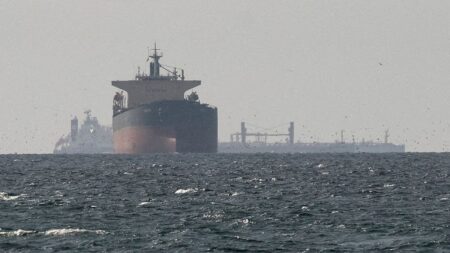
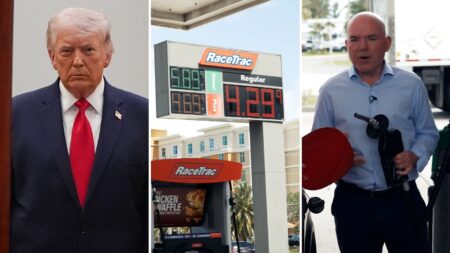
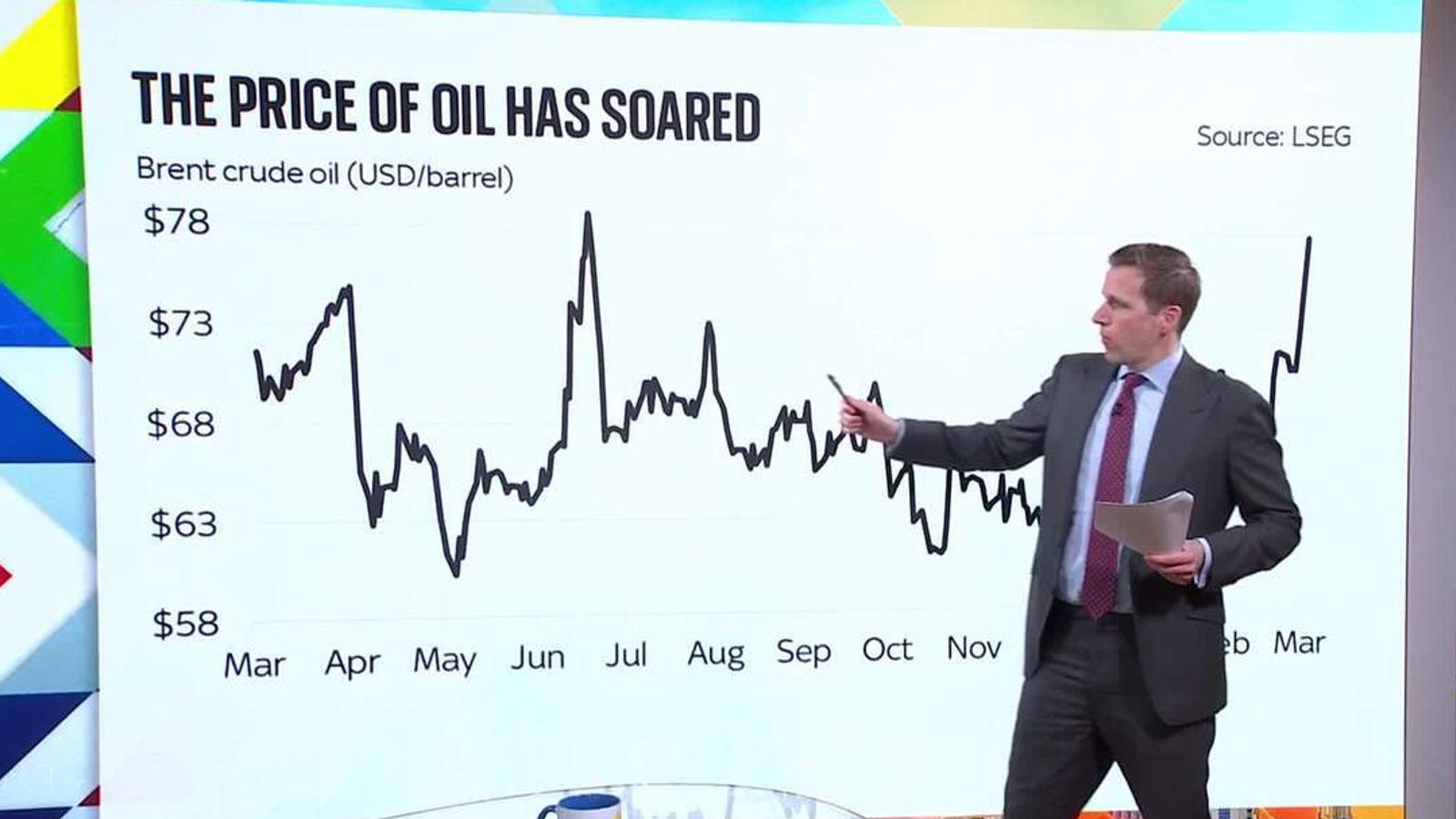
Perhaps nowhere is the connection between Middle Eastern stability and market performance more evident than in oil markets. The region sits atop roughly half of the world’s proven petroleum reserves and produces about a third of global supply, making it absolutely irreplaceable in the near term despite growing renewable energy adoption. When conflict breaks out or threatens to escalate, oil traders immediately factor in potential supply disruptions, and prices respond accordingly—sometimes within minutes of breaking news. This isn’t speculation in the negative sense; it’s markets doing what they’re designed to do: pricing in risk. If a conflict threatens the Strait of Hormuz, through which roughly 20% of the world’s oil passes, prices can spike dramatically because that represents a genuine chokepoint in global supply. We’ve seen this pattern repeat itself: when tensions flare between Iran and Western powers, when civil wars disrupt production in Libya or Yemen, or when attacks target Saudi Arabian facilities, the per-barrel price of crude jumps upward. These increases have real-world consequences that extend far beyond trading screens. Higher oil prices mean increased costs for transportation, manufacturing, and heating, which eventually translate to higher prices for consumers at gas stations and in grocery stores. Airlines face ballooning fuel costs that lead to fare increases or reduced profitability. Shipping companies pass along their higher expenses, making imported goods more expensive. For oil-importing nations, sustained high prices can slow economic growth and increase inflation, while oil-exporting countries enjoy windfall revenues (though often amid domestic turmoil). Interestingly, the relationship has become somewhat less extreme over the past decade as North American shale production, increased strategic reserves, and gradual diversification of energy sources have provided cushions against Middle Eastern supply shocks—but the fundamental connection remains powerful and immediate.
Stock Markets and the Psychology of Uncertainty
Equity markets hate uncertainty more than almost anything else, and Middle Eastern conflicts deliver uncertainty in abundance. When geopolitical tensions rise in the region, stock markets typically experience what traders call a “risk-off” movement, where investors reduce exposure to assets perceived as risky (like stocks) in favor of safer alternatives. This reaction isn’t uniform across all sectors—defense contractors and oil companies often see their shares rise during Middle East conflicts, while airlines, tourism companies, and consumer discretionary stocks typically suffer. The initial market drop following breaking news of Middle Eastern unrest often reflects automated trading systems and hair-trigger responses rather than carefully considered analysis, which is why markets sometimes recover quickly once the immediate shock passes and investors assess the actual likely impact. However, sustained conflicts create genuine drags on market performance through multiple channels: higher energy costs reducing corporate profit margins, disrupted supply chains affecting companies dependent on regional manufacturing or shipping routes, decreased consumer spending as people grow anxious about global stability, and the possibility of central banks maintaining higher interest rates to combat energy-driven inflation. The psychological component of market reactions shouldn’t be underestimated—investor sentiment is a powerful force that can become self-fulfilling as nervousness leads to selling, which causes price drops, which increases nervousness. Market veterans often note that the anticipation of conflict can sometimes impact markets more severely than the actual events, as uncertainty reaches maximum levels before facts become clear. We’ve also observed that markets have developed somewhat more sophisticated responses over time, distinguishing between localized conflicts unlikely to spread and situations that genuinely threaten to draw in major powers or disrupt critical infrastructure. Still, the fundamental pattern persists: Middle Eastern instability generally means volatility for stock markets, creating challenges for long-term investors trying to stay the course while short-term traders attempt to profit from the swings.
Currency Fluctuations and Safe Haven Flows
Currency markets respond to Middle Eastern unrest with their own characteristic patterns, as investors worldwide shift their assets seeking safety and stability. The U.S. dollar typically strengthens during periods of significant geopolitical stress, despite the United States often being directly involved in Middle Eastern affairs, because it remains the world’s primary reserve currency and the ultimate safe haven during crises. Similarly, the Swiss franc and Japanese yen traditionally appreciate during turmoil as investors move money toward countries perceived as stable and neutral. For currencies of countries directly involved in conflicts or heavily dependent on Middle Eastern trade and energy, the impacts can be much more severe—we see depreciation that can spiral into serious economic challenges as imported goods become more expensive and inflation accelerates. Emerging market currencies are particularly vulnerable because investors tend to pull money out of riskier assets globally when major geopolitical concerns arise, even if those countries have no direct connection to the Middle East. The euro’s response tends to be more complex, reflecting Europe’s proximity to the Middle East, its dependence on energy imports from the region, but also its status as the world’s second reserve currency. Oil-exporting nations outside the Middle East, like Russia and certain Latin American countries, sometimes see their currencies strengthen as higher oil prices improve their economic outlooks. These currency movements matter tremendously for ordinary people and businesses: they affect the cost of foreign travel, the price of imported goods, the competitiveness of exporters, and the real value of savings and debts denominated in foreign currencies. For multinational corporations, significant currency swings can dramatically impact quarterly earnings depending on where they generate revenues and incur costs, adding another layer of uncertainty to business planning during periods of Middle Eastern instability.
Longer-Term Economic Implications and Structural Adjustments
Beyond the immediate market reactions, sustained Middle Eastern unrest creates longer-term economic effects that reshape investment patterns, industrial strategies, and policy approaches. Prolonged conflicts or persistent instability accelerate certain trends that might otherwise unfold more gradually. Energy companies and governments redouble efforts to diversify supply sources, leading to increased investment in renewable energy, nuclear power, and oil and gas production in more stable regions—investments that can take years or decades to fully materialize but fundamentally alter global energy dynamics. Supply chain managers reassess routing and sourcing decisions, sometimes accepting higher costs in exchange for greater reliability and reduced exposure to geopolitical risk. Insurance costs rise for shipping through potentially dangerous areas, changing the economics of global trade routes. Defense spending increases in many countries, redirecting government resources from other priorities and creating opportunities for defense contractors while potentially crowding out private investment. Some Middle Eastern nations themselves, recognizing the instability of conflict-prone regions, accelerate their own economic diversification efforts, trying to build tourism, finance, technology, and manufacturing sectors less vulnerable to regional tensions. Foreign direct investment flows shift as international companies reconsider major projects in unstable areas, sometimes redirecting that capital to competing locations in Asia, Africa, or other regions. These structural adjustments happen gradually and don’t generate the dramatic headlines of oil price spikes or stock market drops, but their cumulative effect on global economic geography and the distribution of prosperity can be profound. Workers in affected industries—from oil field technicians to cargo ship crews to tourism workers—see their employment prospects and earning potential shift based on decisions made in boardrooms responding to Middle Eastern instability. The feedback loops between geopolitical events and economic structures work in both directions: market reactions influence political decisions, which in turn affect the course of conflicts and the economic landscape that follows.
Building Resilience in an Uncertain World
The recurring pattern of market reactions to Middle Eastern unrest has taught investors, businesses, and policymakers important lessons about resilience and preparation. Diversification has become more than just investment advice—it’s a fundamental strategy for navigating geopolitical risk, whether that means energy portfolios spanning multiple sources and regions, supply chains with redundant options, or investment portfolios balanced across asset classes and geographies. Sophisticated investors have learned to distinguish between temporary volatility that creates buying opportunities and fundamental shifts requiring portfolio restructuring. Many have adopted scenario planning that explicitly considers various Middle Eastern conflict possibilities and their probable market impacts, allowing for more measured responses when events actually unfold. Governments have built larger strategic petroleum reserves, developed more robust emergency response protocols, and strengthened international coordination mechanisms designed to prevent localized conflicts from cascading into global economic crises. Companies have invested in hedging strategies, using financial instruments to protect against adverse oil price movements or currency fluctuations, essentially paying for insurance against geopolitical shocks. At the same time, there’s a growing recognition that some degree of volatility connected to Middle Eastern events is simply part of the current global economic reality—something to be managed rather than eliminated. For individual investors, the practical wisdom is to maintain a long-term perspective, avoid panic selling during temporary turmoil, keep portfolios appropriately diversified, and perhaps maintain an emergency cash reserve that provides psychological comfort during volatile periods. The markets will continue reacting to Middle Eastern unrest as long as the region remains geopolitically complex and economically critical, but understanding these patterns, preparing for various scenarios, and maintaining rational responses can help everyone from individual savers to global corporations navigate these challenging periods more successfully.