
How the Iran Conflict Has Shaken Global Markets: Oil Prices, Borrowing Costs, and Economic Uncertainty
The Immediate Market Tremors
When tensions involving Iran escalate, the world’s financial markets don’t just take notice—they react with visceral, immediate responses that ripple through every corner of the global economy. The relationship between Middle Eastern geopolitical tensions and market stability is one of the most sensitive pressure points in our interconnected financial system. Iran, sitting atop some of the world’s largest oil reserves and controlling the strategically vital Strait of Hormuz—through which roughly one-fifth of global oil supplies pass—holds an outsized influence over energy markets and, by extension, the broader economic landscape.
Recent escalations involving Iran have triggered a familiar pattern of market volatility that investors, governments, and ordinary citizens have come to watch with anxious attention. When news breaks of military strikes, diplomatic breakdowns, or threats to regional stability involving Iran, traders react within minutes, sometimes seconds. Oil futures spike upward, stock markets wobble, and the safe-haven assets like gold and U.S. Treasury bonds suddenly become more attractive. This isn’t just abstract financial maneuvering—these movements translate into real-world consequences for people filling their gas tanks, businesses planning investments, and governments managing their budgets. The psychology of market participants during these tense periods often amplifies the actual physical risks to oil supply, creating what economists call a “fear premium” that gets baked into commodity prices even before any actual supply disruptions occur.
Oil Prices: The Most Visible Impact
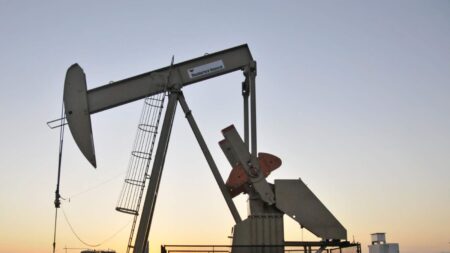
The most immediate and visible impact of Iran-related conflicts appears at the gas pump and in crude oil markets worldwide. When tensions escalate, oil prices can jump several dollars per barrel in a single trading session, and sustained conflicts can push prices significantly higher for extended periods. This happens for several interconnected reasons that go beyond the simple supply-and-demand equations taught in economics classes. Iran itself produces approximately 2-3 million barrels of oil per day, making it one of the world’s significant producers. Any threat to this production, whether from military action, sanctions, or internal disruptions, immediately tightens global supply calculations.
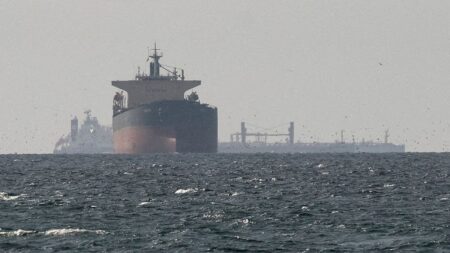
But the real fear factor—the element that causes traders to push prices sharply higher—centers on the Strait of Hormuz, that narrow waterway between Iran and the Arabian Peninsula. Iran has repeatedly threatened to close or disrupt this chokepoint during periods of heightened tension, and even the possibility of such action sends shudders through energy markets. If this strait were actually blocked or became a conflict zone, approximately 21 million barrels per day of oil transportation would be jeopardized, representing about 21% of global petroleum liquids consumption. The mere threat of this scenario creates what analysts call geopolitical risk premium—essentially an insurance cost that gets added to every barrel of oil traded globally.
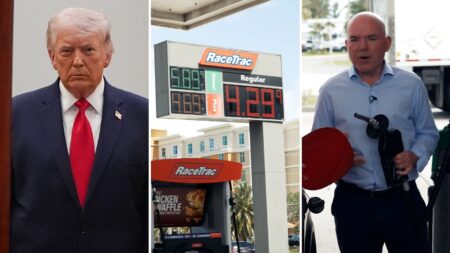
Beyond these direct mechanisms, Iran conflicts affect oil prices through their impact on regional stability more broadly. Saudi Arabia, the UAE, Iraq, and Kuwait—all major oil producers—sit in close proximity to Iran, and any regional conflict raises concerns about the security of their production and export facilities. We’ve seen this play out in real-time when Iranian-linked attacks on Saudi oil infrastructure in 2019 temporarily knocked out about 5% of global oil supply, causing the largest one-day percentage spike in oil prices in decades. For consumers, these price increases mean higher gasoline costs, increased heating bills, and elevated prices for any goods that require transportation—which is virtually everything. For oil-importing nations, higher prices mean larger trade deficits and pressure on their currencies. For developing countries particularly dependent on imported petroleum, the impact can be devastating, forcing governments to choose between subsidizing fuel costs or allowing prices to rise and risk social unrest.
Borrowing Costs and Central Bank Dilemmas
The connection between Iran conflict and borrowing costs might seem less obvious than the oil price link, but it’s equally important and affects everything from mortgage rates to government debt servicing. When oil prices spike due to geopolitical tensions, it creates an immediate dilemma for central banks around the world, particularly in oil-importing nations. These institutions are tasked with managing inflation and supporting economic growth—two objectives that can suddenly come into conflict when energy prices surge.
Higher oil prices feed directly into inflation through multiple channels. Transportation costs rise, manufacturing becomes more expensive, and heating and electricity bills increase. This energy-driven inflation then spreads throughout the economy in what economists call “second-round effects,” as workers demand higher wages to compensate for increased living costs and businesses raise prices to cover their elevated expenses. Central banks, whose primary mandate typically includes keeping inflation stable and predictable, face a difficult choice: do they raise interest rates to combat this inflation, even though the economic disruption isn’t caused by overheating domestic demand but by external geopolitical shocks?
When central banks do raise rates in response to conflict-driven inflation, borrowing becomes more expensive across the board. Mortgage rates climb, making homeownership less affordable. Corporate borrowing costs increase, leading companies to scale back expansion plans and potentially reduce hiring. Government debt becomes more expensive to service, forcing difficult budgetary decisions. For individuals with variable-rate loans or credit card debt, monthly payments can increase significantly. This represents a kind of double economic squeeze—people are paying more for energy and simultaneously facing higher costs to borrow money, reducing their overall purchasing power and economic confidence.
The situation becomes even more complex because conflict uncertainty itself affects borrowing costs through risk perception. Investors demand higher returns (which means higher interest rates) to compensate for increased uncertainty about the future economic outlook. Corporate bonds, particularly for companies in affected regions or industries vulnerable to oil price swings, see their yields increase as investors price in greater default risk. Emerging market countries often face the steepest increases in borrowing costs, as investors pull back from riskier assets during periods of geopolitical stress, a phenomenon known as “flight to quality.” The irony is that the countries often most affected by higher oil prices—developing nations that import most of their energy—simultaneously face more expensive borrowing costs precisely when they most need access to affordable credit to cushion the economic blow.
Broader Market Volatility and Investor Behavior
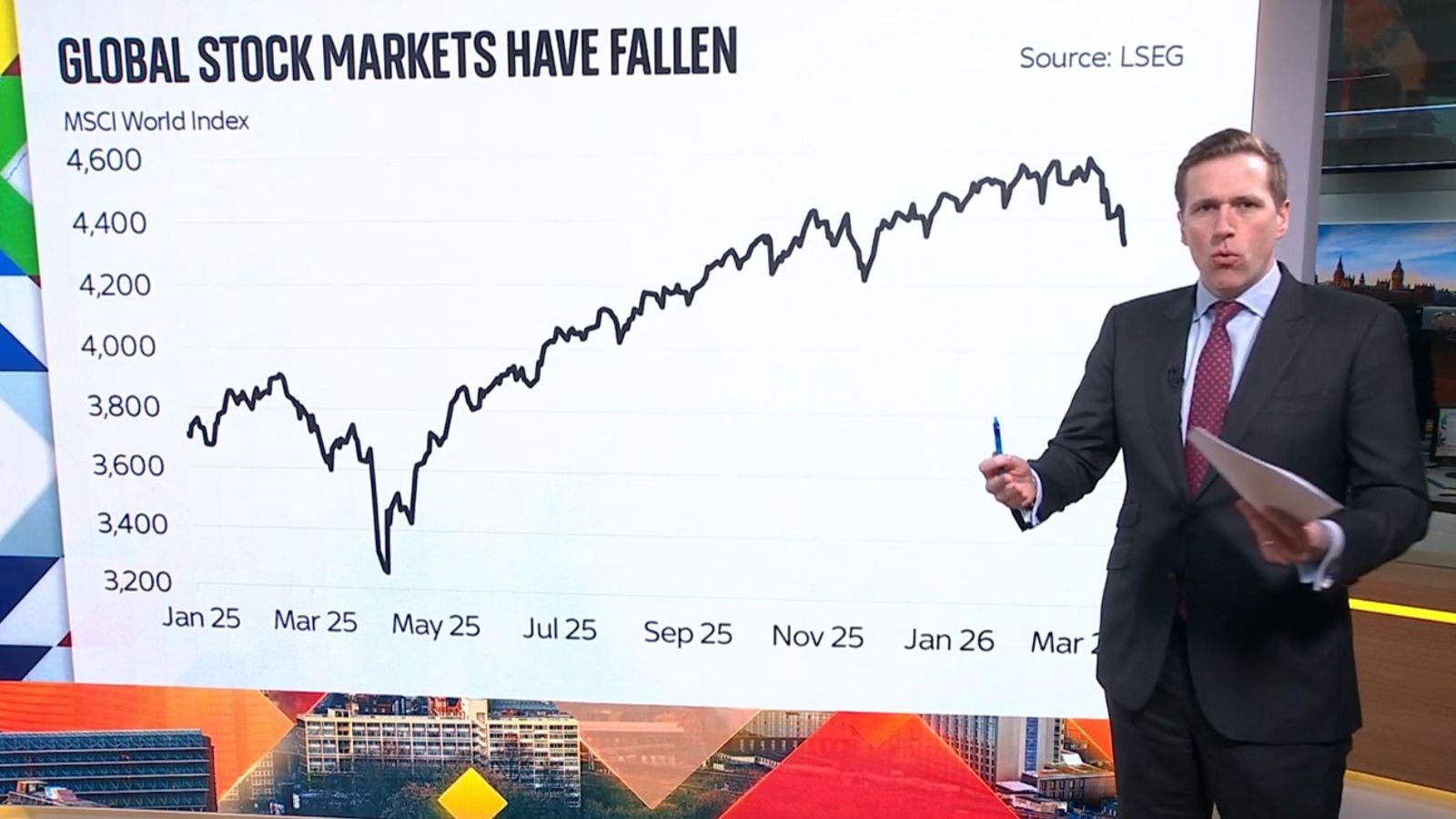
Beyond oil and interest rates, Iran-related conflicts send waves of uncertainty through virtually every asset class, fundamentally altering investor behavior and market dynamics in ways both predictable and surprising. Stock markets typically react negatively to escalating tensions, though the magnitude and duration of these reactions depend on how serious the conflict appears and whether it seems likely to escalate or resolve quickly. Defense and aerospace stocks often buck the downward trend, rising on expectations of increased military spending, while airlines, transportation companies, and other energy-intensive industries typically sell off sharply as investors factor in compressed profit margins from higher fuel costs.
The flight to safe-haven assets during these periods reveals the deep-seated anxiety that geopolitical conflicts create in financial markets. Gold prices typically surge as investors seek assets that might hold value regardless of what happens in conventional markets. The U.S. dollar often strengthens despite America’s frequent involvement in Middle Eastern conflicts, simply because it remains the world’s primary reserve currency and the asset investors trust most during uncertain times. Swiss francs and Japanese yen—currencies of countries perceived as stable and neutral—also typically appreciate. Meanwhile, U.S. Treasury bonds see increased demand despite potentially offering lower yields, because investors prioritize the return of their capital over the return on their capital during frightening geopolitical moments.
Currency markets show particularly interesting dynamics during Iran tensions. Oil-exporting nations’ currencies may strengthen on higher petroleum prices, while importers’ currencies weaken under the pressure of larger trade deficits. The complex interplay between central bank responses, trade balances, and investor sentiment creates volatility that currency traders attempt to navigate, sometimes amplifying the moves through speculative positioning. Emerging market currencies, particularly those of countries with large energy import bills and existing economic vulnerabilities, can face severe pressure as investors pull capital back to perceived safe havens. This capital flight can force emerging market central banks to raise interest rates even more aggressively than their developed-world counterparts, further damaging their economic growth prospects in a vicious cycle that can take years to fully resolve.
Long-Term Economic and Strategic Implications
While the immediate market reactions to Iran conflicts grab headlines, the longer-term economic implications reshape global trade patterns, investment decisions, and strategic thinking in ways that persist long after any particular crisis fades from front pages. Companies reevaluate their supply chains, seeking to reduce vulnerability to Middle Eastern disruptions. This has accelerated trends toward nearshoring and diversification of suppliers, with businesses willing to accept higher costs in exchange for greater security and predictability. Energy-intensive industries particularly scrutinize their exposure, with some relocating facilities or redesigning products to be less petroleum-dependent.
The conflicts have reinforced the strategic importance of energy independence and diversification, accelerating investments in alternative energy sources and technologies. Countries that import large amounts of Middle Eastern oil have redoubled efforts to develop renewable energy, not just for environmental reasons but as a matter of economic and national security. The United States’ shale revolution, which transformed it from a major oil importer to a net exporter, was partly driven by strategic concerns about Middle Eastern instability. Similarly, Europe’s aggressive push toward renewable energy reflects not just climate commitments but a desire to reduce vulnerability to disruptions in oil and natural gas supplies that often transit near or through conflict zones.
For developing nations, repeated oil price shocks stemming from Middle Eastern tensions have created what economists call “boom and bust” cycles that make long-term planning extremely difficult. Oil-importing developing countries face particularly severe challenges, as they typically spend a larger share of their GDP on energy imports and have less fiscal flexibility to cushion price shocks. These economic stresses can translate into political instability, creating a feedback loop where geopolitical tensions create economic hardship, which in turn creates political volatility that can spread regionally. Some countries have been forced into austerity programs or IMF assistance packages directly triggered by conflict-driven oil price spikes, with lasting impacts on their development trajectories and social cohesion.
Conclusion: Living with Persistent Uncertainty
The impact of Iran-related conflicts on oil prices, borrowing costs, and markets reveals the deep integration of geopolitics and economics in our modern world. These aren’t separate spheres that occasionally intersect—they’re fundamentally intertwined systems where developments in one immediately ripple through the others. For ordinary people, this means that events in a region they may never visit directly affect their daily economic reality, from what they pay for groceries to whether they can afford to buy a home. For policymakers, it means constantly balancing competing objectives and preparing for scenarios that may or may not materialize, while markets demand immediate clarity that the fog of geopolitical conflict rarely provides.
What’s perhaps most striking is how these patterns have become both predictable and uncontrollable. We know that tensions will spike oil prices, that central banks will face difficult trade-offs, and that markets will gyrate between fear and hope. Yet despite this knowledge, the system lacks effective shock absorbers. The global economy remains structurally vulnerable to disruptions in a region that has known little peace for generations. Until either the world dramatically reduces its dependence on Middle Eastern oil or the region finds lasting stability—neither of which appears imminent—we’ll continue to see our economic fortunes partially hostage to events unfolding thousands of miles from where most of us live, a reminder of just how interconnected and interdependent our modern world has become, for better and for worse.