
Five Ways the Iran War is Impacting Your Finances
The Hidden Economic Toll of Middle East Tensions
When news breaks about military conflicts in the Middle East, particularly involving Iran, most of us focus on the immediate human tragedy and geopolitical implications. However, what many people don’t realize is that these international tensions create ripple effects that reach directly into our wallets, affecting everything from what we pay at the gas pump to the interest rates on our mortgages. The reality is that in our interconnected global economy, conflicts thousands of miles away can significantly impact our daily financial decisions and long-term economic security. Understanding these connections isn’t just about being informed—it’s about being prepared to protect your financial wellbeing during uncertain times. The ongoing tensions with Iran, whether they escalate into full-scale conflict or simmer as prolonged uncertainty, create economic shockwaves that touch virtually every aspect of consumer finance, from the obvious to the surprisingly subtle.
Energy Prices and the Gas Pump Shock
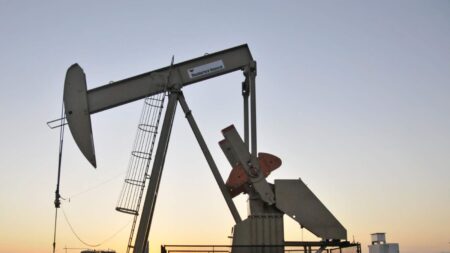
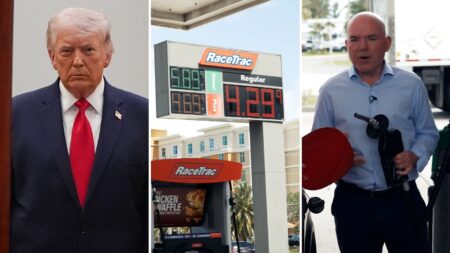
Perhaps the most immediate and visible impact of Iran-related conflicts on your personal finances comes at the gas station. Iran sits at one of the world’s most strategically important oil chokepoints—the Strait of Hormuz—through which approximately 20% of the world’s oil supply passes. Any conflict involving Iran, or even the credible threat of conflict, sends oil traders into a frenzy, driving up crude oil prices on global markets. When crude prices rise, that increase gets passed directly to consumers within days. You might notice gas prices jumping by 20, 30, or even 50 cents per gallon during acute crisis moments. For the average American household, this translates to an extra $40 to $100 per month in fuel costs—money that has to come from somewhere in an already tight budget. But it’s not just about filling up your car. Higher oil prices cascade through the entire economy because oil is fundamental to transportation costs. Everything that gets shipped by truck, train, or plane becomes more expensive to move, and those costs eventually appear on price tags throughout retail stores. Your grocery bills increase because it costs more to transport food from farms to distribution centers to supermarkets. Online shopping becomes pricier as shipping companies adjust their rates. Even services become more expensive as businesses face higher operational costs and pass portions of those increases to customers. The energy price shock is particularly painful because it’s regressive—it hits lower and middle-income families hardest, as they spend a larger percentage of their income on fuel and basic necessities.
Stock Market Volatility and Retirement Account Anxiety
If you have a 401(k), IRA, or any investment accounts, geopolitical tensions with Iran can send your portfolio on a roller coaster ride that might make you queasy when you check your balance. Markets hate uncertainty, and war or the prospect of war represents uncertainty in its most acute form. When tensions escalate, investors typically pull money out of stocks and pour it into traditionally safer assets like gold and Treasury bonds. This flight to safety can cause stock market indices to drop sharply, sometimes losing hundreds of points in a single day. If you’re decades away from retirement, these short-term fluctuations are less concerning—markets historically recover given enough time. But if you’re approaching retirement or already retired and depending on your investment portfolio for income, these swings become genuinely worrying. A 10% market drop could represent tens of thousands of dollars in lost value in your retirement accounts. Beyond direct market declines, conflict with Iran affects different sectors unevenly, creating winners and losers that reshape investment landscapes. Defense contractors and weapons manufacturers often see their stock prices rise during military conflicts, while airlines, travel companies, and consumer discretionary stocks typically suffer. Energy company stocks might initially rise with oil prices, but prolonged conflict can disrupt their operations if they have Middle Eastern exposure. This sector volatility means that the specific composition of your portfolio matters tremendously during these periods. The psychological impact shouldn’t be underestimated either—watching your retirement savings fluctuate wildly can lead to panic selling, which is often the worst possible move financially, locking in losses that might have been temporary if you’d held steady.
Inflation Pressures and the Erosion of Purchasing Power
Beyond the immediate spike in gas prices, conflicts with Iran contribute to broader inflationary pressures that slowly but steadily erode your purchasing power. Energy costs feed into virtually every sector of the economy, and when those costs remain elevated for extended periods, businesses eventually have no choice but to raise prices more broadly. Manufacturing requires energy, as does agriculture with its fuel-hungry tractors and fertilizer production. Inflation during geopolitical conflicts is particularly insidious because it compounds with other inflation drivers that may already be present in the economy. If inflation was running at 3% and energy-driven inflation adds another 1-2%, that difference might sound small, but it’s significant. At 3% annual inflation, your purchasing power is cut in half in about 24 years; at 5%, that halving happens in just 14 years. For people on fixed incomes—retirees depending on pensions or Social Security—this is especially problematic because their income doesn’t automatically adjust upward while their costs clearly do. Even workers who receive annual raises find those increases eaten away by conflict-driven inflation. You might get a 3% raise that feels like progress until you realize that inflation jumped to 5%, meaning you’ve actually lost ground financially despite earning more dollars. The Federal Reserve’s response to this inflation creates its own financial impact. To combat rising prices, the Fed typically raises interest rates, which we’ll discuss further, but this anti-inflation medicine has side effects that affect consumers in multiple ways. Smart consumers respond to these inflationary pressures by adjusting spending priorities, perhaps shifting toward generic brands, delaying major purchases, or finding cheaper alternatives, but these adaptations represent a real decline in living standards even if the adjustments seem minor individually.
Rising Interest Rates and Borrowing Costs
The Federal Reserve doesn’t sit idle when geopolitical events threaten to spike inflation. One of their primary tools is raising interest rates to cool down an overheating economy. While this helps fight inflation, it makes borrowing money considerably more expensive for ordinary people. If you’re carrying credit card balances, you’ll notice your minimum payments increasing as the annual percentage rates climb. Credit cards often have variable rates tied to the prime rate, which moves with Federal Reserve policy decisions. A few percentage points might not sound dramatic, but on a $10,000 credit card balance, a rate increase from 16% to 20% means you’re paying an extra $400 annually in interest—money that does nothing but keep you in debt longer. For prospective homebuyers, rising interest rates can be absolutely devastating to affordability. A mortgage rate increase from 4% to 6% on a $300,000 home loan increases your monthly payment by approximately $360, or more than $4,300 annually. Over the life of a 30-year mortgage, that’s an extra $129,000 paid to the bank. These rate increases can price some buyers out of homeownership entirely or force them to accept much smaller homes than they’d hoped for. Auto loans become more expensive too, as do student loans for those still borrowing for education. Even if you’re not actively borrowing, higher interest rates affect you if you’re carrying any variable-rate debt from previous years. The broader economic impact matters as well—when rates rise, economic growth typically slows as both consumers and businesses pull back on borrowing and spending. This slowdown can lead to reduced hiring, smaller raises, or in severe cases, layoffs, creating an indirect financial impact on households even beyond the direct effects of higher borrowing costs. The timing is particularly cruel because these rate increases come precisely when other conflict-related costs are also squeezing household budgets.
Supply Chain Disruptions and Everyday Product Availability
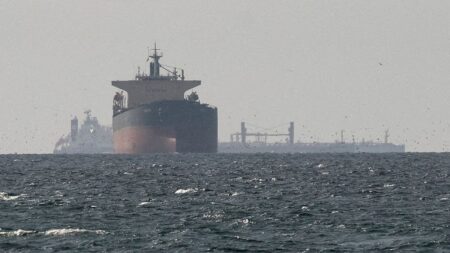
One of the less obvious but potentially most frustrating impacts of Iran-related conflicts involves disruptions to global supply chains. We got a taste of supply chain chaos during the pandemic, but military conflicts in strategic regions create their own unique problems. Iran’s proximity to major shipping lanes means that escalated conflict could disrupt maritime trade routes, delaying shipments of everything from electronics to clothing to auto parts. When ships must take longer alternative routes to avoid conflict zones, transportation times stretch out and costs increase substantially. These delays and costs ultimately get passed to consumers. You might find certain products simply unavailable for weeks or months, or available only at significantly higher prices. The “just in time” inventory systems that most retailers use mean they carry minimal stock, so any disruption quickly leads to empty shelves. For American consumers, this might mean delays in receiving online orders, limited selection in stores, or price increases on imported goods. Electronics, which depend heavily on complex international supply chains, are particularly vulnerable. That new phone, laptop, or television might become harder to find or more expensive. Automobiles, which contain thousands of parts sourced globally, could face production slowdowns that reduce inventory and drive up prices for both new and used vehicles. Even prescription medications, many of which are manufactured overseas or depend on ingredients sourced internationally, could face shortages or price spikes. These supply chain impacts are unpredictable and sometimes appear in unexpected places—you might not anticipate a connection between Middle East tensions and the availability of a specific product until suddenly it matters to you personally. Unlike price increases that you can potentially budget for, simple unavailability of needed products creates a different kind of problem that money can’t always solve. Savvy consumers might consider building slightly larger stockpiles of essential items during quiet periods, though this isn’t practical for everyone or for all product categories.
Preparing Your Finances for Geopolitical Uncertainty
Understanding how conflicts with Iran impact your finances is only half the battle; the real value comes from taking practical steps to protect yourself financially. While you can’t control international events, you can control how prepared you are to weather the economic storms they create. Building an emergency fund becomes even more critical during periods of geopolitical tension—financial experts typically recommend three to six months of expenses saved, but during uncertain times, aiming for the higher end of that range makes sense. Reducing or eliminating variable-rate debt should be a priority since those rates will rise with Federal Reserve responses to conflict-driven inflation. If you have good credit, consider locking in fixed rates on loans while they’re still relatively favorable. For investors, diversification is your best friend—don’t keep all your eggs in one basket or one sector. A mix of domestic and international stocks, bonds, real estate, and perhaps some commodities can help smooth out the volatility any single conflict creates. If you’re near retirement, consider shifting toward slightly more conservative allocations than you might during peaceful times. On the consumption side, improving your vehicle’s fuel efficiency or reducing unnecessary trips can blunt the impact of gas price spikes. Creating a flexible budget that identifies which expenses are truly essential versus merely habitual gives you room to adjust when prices rise unexpectedly. Finally, stay informed but don’t panic—financial decisions made in fear are often poor ones. The economic impacts of geopolitical conflicts are real and shouldn’t be ignored, but history shows that economies are resilient and markets eventually stabilize. By understanding the connections between world events and your wallet, and taking reasonable preparatory steps, you can navigate these uncertain times with greater confidence and financial security.