
The Hidden Cost of Counterfeit Goods: A £9 Billion Shadow Economy
The counterfeit industry operating across the United Kingdom has reached staggering proportions, with recent statistics from The Anti-Slavery Collective revealing that fake goods now represent an estimated £9 billion market annually. This isn’t just about knock-off handbags or imitation watches anymore—the scale and sophistication of counterfeiting operations have evolved into a massive underground economy that touches nearly every sector of consumer goods. From luxury fashion items and electronics to pharmaceuticals and automotive parts, counterfeit products have infiltrated legitimate supply chains and online marketplaces with alarming efficiency. What many consumers don’t realize when they purchase what seems like a bargain designer item or discounted branded product is that they’re potentially funding a network that extends far beyond simple trademark infringement. The counterfeit trade has become deeply intertwined with organized crime, exploitative labor practices, and serious safety concerns that affect both individual consumers and society at large.
The Dark Reality Behind Fake Products
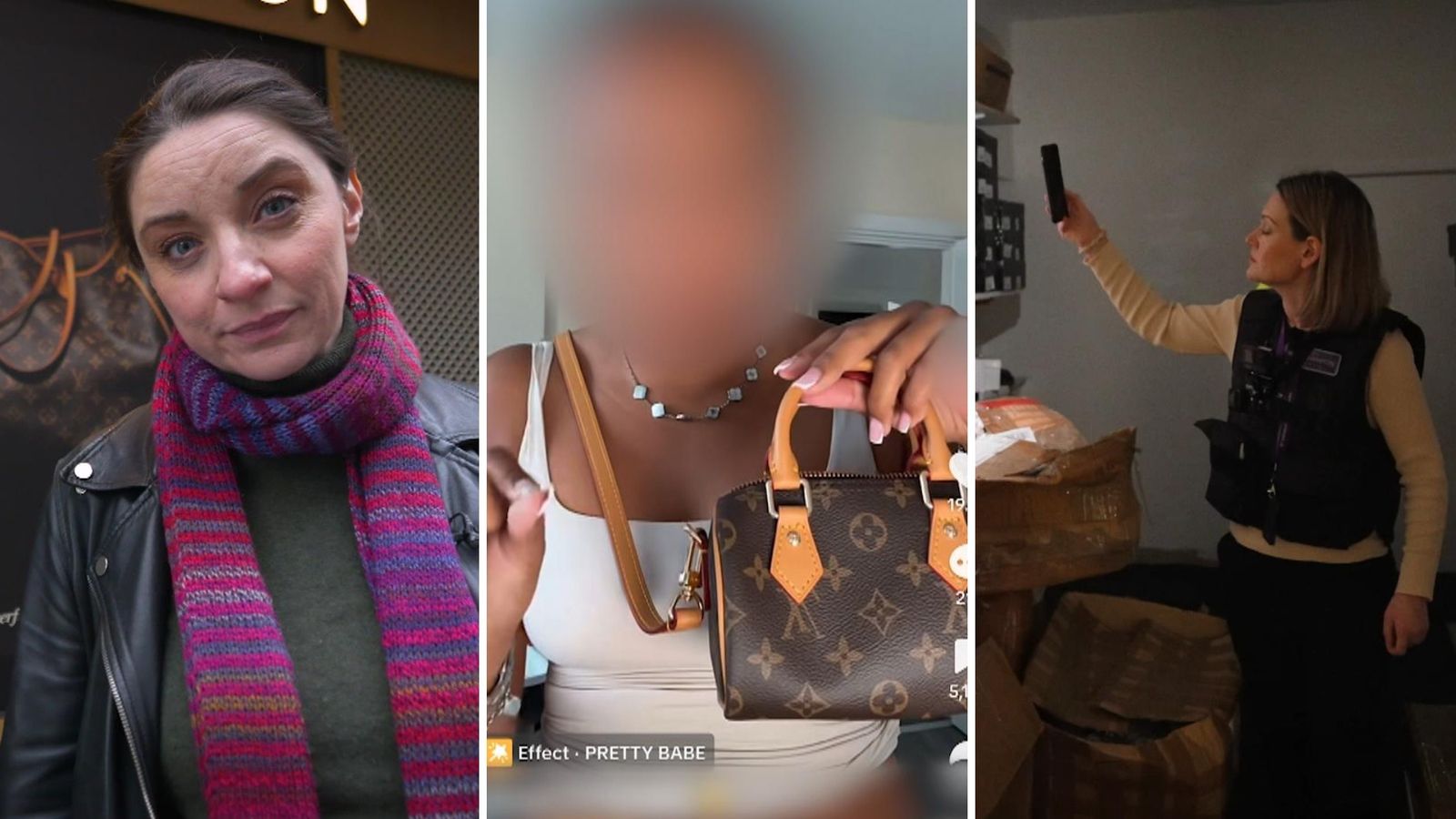
The name of the organization releasing these figures—The Anti-Slavery Collective—provides a crucial hint about what’s really happening behind the scenes of the counterfeit industry. This isn’t simply a matter of businesses losing revenue to cheaper imitations; there’s a profound human cost embedded in the production and distribution of fake goods. Many counterfeit products are manufactured in illegal workshops and factories where workers, including vulnerable migrants and trafficking victims, labor in dangerous conditions for little or no pay. These operations often exist in the shadows of legitimate industry, hidden in warehouses, residential properties, and underground facilities where safety regulations don’t exist and worker exploitation is the norm rather than the exception. The connection between counterfeiting and modern slavery has become increasingly clear to law enforcement and advocacy organizations, revealing that when consumers purchase fake goods—even unknowingly—they may be supporting systems that perpetuate human trafficking and forced labor. The £9 billion figure represents not just lost tax revenue and brand damage, but also the monetary value of an industry built substantially on human suffering and exploitation.
Consumer Safety and the Counterfeit Threat
Beyond the ethical dimensions of supporting an industry linked to modern slavery, counterfeit goods pose direct and serious risks to consumers themselves. Unlike legitimate products that must meet safety standards and regulatory requirements, fake items are manufactured with no oversight whatsoever. Counterfeit cosmetics have been found to contain dangerous substances like lead, arsenic, and mercury. Fake electrical goods and chargers can cause fires and electrocution. Imitation car parts can fail catastrophically, leading to accidents. Counterfeit medications—perhaps the most dangerous category of all—may contain incorrect dosages, harmful substances, or no active ingredients whatsoever, putting patients’ lives at risk. The bargain that seemed too good to pass up can literally become a matter of life and death. Trading standards officers and consumer protection agencies across the UK regularly seize dangerous counterfeit goods from markets, online sellers, and even some retail establishments. The problem has been exacerbated by the growth of online marketplaces and social media selling platforms, where the anonymity of sellers and the volume of transactions make it increasingly difficult to distinguish legitimate products from dangerous fakes.
The Digital Marketplace and New Challenges
The £9 billion counterfeit market in the UK has flourished in part because of the digital revolution in shopping. Online platforms, social media marketplaces, and peer-to-peer selling sites have created new opportunities for counterfeiters to reach consumers directly, bypassing traditional retail channels where fake goods might be more easily identified. A sophisticated counterfeit operation today doesn’t need physical shop premises or market stalls—it can operate entirely online, with slick websites, professional-looking product photography, and even fake customer reviews that create an illusion of legitimacy. Social media platforms have become particular hotspots for counterfeit sales, with sellers using temporary accounts, private messaging, and coded language to connect with buyers and arrange transactions. By the time consumers realize they’ve purchased fake goods, the seller has often disappeared, leaving no recourse for refunds or complaints. The challenge for law enforcement and trading standards has grown exponentially as these operations can be run from anywhere in the world, targeting UK consumers without any physical presence in the country. While legitimate online marketplaces and platforms have implemented programs to detect and remove counterfeit listings, the sheer volume of products and sellers makes comprehensive monitoring nearly impossible.
Economic Impact and the Ripple Effect
The £9 billion annual value of the UK counterfeit market represents far more than lost sales for brand owners—it creates a ripple effect throughout the entire economy. Legitimate businesses lose revenue, which translates to reduced investment in innovation, research and development, and job creation. When companies see their products counterfeited, they face not only direct financial losses but also damage to brand reputation, especially when poor-quality fakes create negative associations with their brand. The government loses substantial tax revenue that would otherwise fund public services, as the counterfeit economy operates entirely outside legitimate taxation systems. Smaller businesses and independent creators can be particularly devastated by counterfeiting, as they lack the resources that major corporations have to fight back against fake versions of their products. The economic damage extends to reduced employment in manufacturing and retail sectors, as legitimate production moves elsewhere or contracts due to competition from untaxed, unregulated counterfeit goods. Additionally, taxpayers bear the cost of enforcement efforts, legal proceedings, and the healthcare expenses that result from injuries caused by dangerous counterfeit products.
Fighting Back: Prevention and Awareness
Addressing the £9 billion counterfeit industry requires a multi-faceted approach involving consumers, businesses, law enforcement, and policymakers. Organizations like The Anti-Slavery Collective work to raise awareness about the hidden human costs of counterfeit goods, hoping that consumers who understand the connection to modern slavery and exploitation will make more conscious purchasing decisions. Education campaigns aim to help shoppers identify fake goods through telltale signs like suspiciously low prices, poor packaging quality, spelling errors, and sellers who can’t provide proper documentation or receipts. Technological solutions are also being deployed, with brands implementing authentication features like holograms, serial numbers, blockchain verification, and smartphone-readable tags that allow consumers to verify a product’s authenticity before purchase. Law enforcement agencies have increased cooperation across borders to tackle the international networks behind major counterfeiting operations, conducting raids, seizing goods, and prosecuting those involved. Legislative efforts focus on increasing penalties for counterfeiting, placing more responsibility on online platforms to prevent counterfeit sales, and making it easier for brands to protect their intellectual property rights.
The statistics released by The Anti-Slavery Collective serve as a wake-up call about an industry that operates largely in the shadows but has very real impacts on vulnerable workers, consumer safety, and the broader economy. At £9 billion annually, the UK counterfeit market represents a substantial shadow economy that diverts money away from legitimate business and taxation while funding criminal enterprises and exploitation. For consumers, the message is clear: that “too good to be true” bargain often comes with hidden costs that far exceed any money saved. Whether it’s the worker exploited in producing the fake goods, the small business owner whose livelihood is threatened by cheap imitations, or the consumer who discovers too late that their purchase is dangerous or worthless, counterfeiting creates victims at every level. Combating this industry requires vigilance from everyone—consumers who question suspiciously cheap deals, platforms that rigorously monitor their marketplaces, businesses that invest in protection and authentication technologies, and law enforcement that prioritizes counterfeit operations not just as intellectual property crimes but as serious offenses connected to organized crime and human trafficking. Only through collective awareness and action can the counterfeit industry’s grip on the UK economy be loosened and the exploitation behind it brought to an end.