


The Battle for Pentagon AI: Tech Giants Compete as Anthropic Exits Military Operations
A Shifting Landscape in Military AI Technology
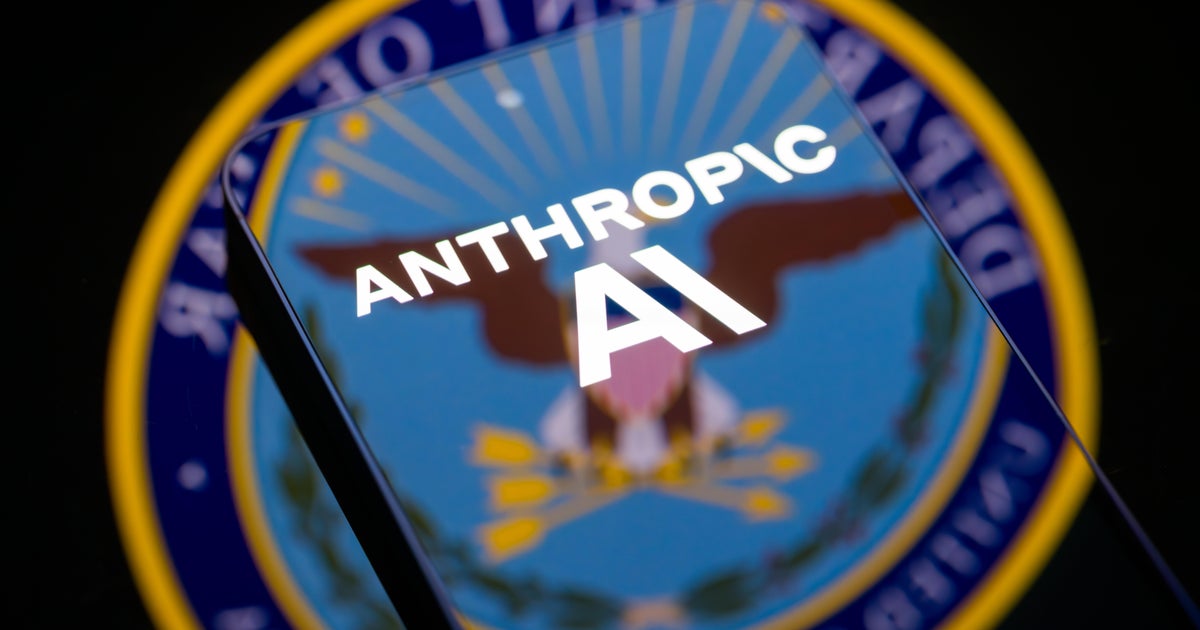
The artificial intelligence landscape within America’s defense infrastructure is undergoing a dramatic transformation following the Pentagon’s decision to phase out Anthropic’s AI systems from military operations. Earlier this month, the Department of Defense issued a directive requiring the removal of Anthropic’s technology within six months, marking the culmination of an increasingly bitter dispute between the company’s leadership and the Trump administration. This decision has created a significant vacuum in military AI capabilities, one that competing technology giants are eagerly positioning themselves to fill. According to internal Pentagon documentation, Anthropic’s artificial intelligence had been deployed in some of the most sensitive areas of national security, including nuclear weapons systems, ballistic missile defense operations, and cyber warfare initiatives. The stakes couldn’t be higher, as sources with direct knowledge of military AI applications have indicated that Anthropic’s systems, particularly their flagship Claude AI model, were likely being utilized in ongoing U.S. operations targeting Iran. This development has sparked intense interest from other major AI companies, including OpenAI and Google, who see this as an opportunity to demonstrate their capabilities and commitment to national defense while potentially securing lucrative government contracts worth hundreds of millions of dollars.
How Artificial Intelligence is Revolutionizing Modern Warfare
The Pentagon’s use of artificial intelligence mirrors many consumer applications but operates at a vastly different scale and with far more consequential outcomes. In essence, military AI systems function as super-powered analytical tools, processing enormous volumes of information—documents, video footage, satellite imagery, and battlefield data—at speeds that would be impossible for human analysts working alone. Former Pentagon officials have explained that these AI systems help military commanders war-game potential scenarios, minimize civilian casualties, and determine which weapons systems would be most effective for specific targets. According to retired Navy Admiral Mark Montgomery, who serves as senior director of the Foundation for Defense of Democracy’s Center on Cyber and Technology Innovation, the transformation has been nothing short of revolutionary. “The military is now processing roughly a thousand potential targets a day and striking the majority of them, with turnaround time for the next strike potentially under four hours,” Montgomery explained. While humans remain firmly in the decision-making loop, AI is accomplishing analytical work that previously required days of effort, and it’s doing so at a scale unprecedented in military history. CBS News national security analyst Aaron McLean put it in broader context: “We’re living through a military revolution driven by the digital revolution. Today’s revolution is driven by the explosion of data: cameras everywhere, smartphones, connected cars. The battlefield is now flooded with information in ways that were unimaginable a generation ago.” This data deluge has made AI not just useful but essential, as the sheer volume of information available now far exceeds what any team of human analysts could process within operationally relevant timeframes.
The Practical Applications and Human Oversight of Military AI
Understanding exactly how AI functions within military operations requires looking at both its capabilities and its limitations. The AI algorithms currently deployed sift through massive data streams to build targeting packages, assign strike assets, and assess damage with near-instantaneous speed. McLean provided a vivid example: “The Israel missile defense example makes this visceral: when hundreds of drones and missiles are inbound over a few hours, no human team can decide in real time which ones to intercept, with what, and when. That’s what AI is doing.” Until its recent designation as a supply chain risk, Anthropic’s Claude was the only large-scale AI system operational on the Defense Department’s classified networks. Beyond combat operations, AI also serves numerous administrative functions including research, policy development, and procurement decisions. Josh Gruenbaum, commissioner of the Federal Acquisition Service—the government agency responsible for determining which goods and services federal agencies should use—emphasized that the goal has been to help agencies become comfortable with this technology while “turbocharging output and efficiencies for the American taxpayer.” However, it’s crucial to understand that AI doesn’t operate autonomously on the battlefield. A source directly familiar with Claude’s military capabilities clarified that the system’s primary function involves sifting through vast quantities of intelligence reports, synthesizing patterns, summarizing findings, and surfacing relevant information faster than human analysts could accomplish alone. Importantly, the targeting process itself remains firmly under human control. Anthropic’s U.S. Government Usage Policy, while permitting Defense Department use of Claude for analyzing foreign intelligence, explicitly requires that humans make all final decisions regarding military targets. This human-in-the-loop requirement represents a critical safeguard, ensuring that artificial intelligence serves as a powerful tool for human decision-makers rather than an autonomous weapon system.
The Integration of AI with Traditional Military Hardware
Despite the revolutionary impact of artificial intelligence on military operations, it’s important to recognize that AI doesn’t exist in isolation on the modern battlefield. The physical infrastructure of warfare—aircraft carriers, fighter jets, missiles, and drones—continues to come primarily from traditional legacy defense contractors like Northrop Grumman, Boeing, and Lockheed Martin. The large language models that power contemporary AI systems aren’t flying planes or firing missiles; instead, they’re performing sophisticated analysis that informs human decisions about when and how to deploy these physical weapons. Admiral Montgomery emphasized that this technological advancement has dramatically compressed operational timelines, reducing what once took days of planning to mere hours. “It’s an important enabler in the military’s ability to rapidly plan and execute war fights,” Montgomery explained, while stressing that human oversight remains constant throughout the process. The AI serves as a force multiplier, enhancing human capabilities rather than replacing human judgment. While AI has become a significant operational asset, warfare could theoretically still be conducted without it, though Montgomery characterized such an approach as “less desirable.” He noted that traditional defense contractors still provide approximately 98% of the weapons being used in current conflicts, and these companies continue to perform well. However, he also acknowledged that AI’s role in military operations will likely grow with each successive campaign. The technology hasn’t made traditional weapons obsolete; rather, it has made the deployment of those weapons faster, more precise, and potentially more effective at achieving military objectives while minimizing unintended casualties and collateral damage.
The Anthropic Controversy and Corporate Fallout
The current situation stems from a July agreement in which the Pentagon signed a $200 million contract with Anthropic to integrate Claude into Pentagon systems. However, this partnership quickly deteriorated due to disagreements between the Defense Department and Anthropic’s leadership about who should have final authority to set restrictions on how Claude would be used in military applications. The dispute escalated to the point where the Pentagon designated Anthropic as a supply chain risk and mandated the removal of its technology from military systems within six months. In response, Anthropic has filed a lawsuit against the federal government, alleging retaliation for protected speech. “The Constitution does not allow the government to wield its enormous power to punish a company for its protected speech. No federal statute authorizes the actions taken here,” the company stated in its legal filing. The case has drawn support from across the tech industry, with Microsoft and workers from both OpenAI and Google filing amicus briefs supporting Anthropic’s position. This broad industry support suggests that the outcome of this dispute may have far-reaching implications for how technology companies engage with military and intelligence agencies in the future. Interestingly, despite the supply chain risk designation, the Pentagon continues to use Anthropic’s products during the six-month off-ramp period, including in operations related to Iran, highlighting the current dependence on these systems and the challenges involved in rapidly transitioning to alternative solutions.
The Future of Military AI: New Players and Ethical Boundaries
As Anthropic exits the military AI space, competitors are wasting no time positioning themselves to fill the void. Google announced in a blog post that it is rolling out AI agents specifically designed for non-classified military uses, signaling its intention to play a larger role in defense applications. Sam Altman, CEO of OpenAI and a direct rival to Anthropic, posted on social media about using ChatGPT’s AI models within the Pentagon’s classified network. OpenAI subsequently clarified the boundaries of their Defense Department partnership by highlighting what they call their “three red lines” for AI use: no autonomous lethal weapons, no mass surveillance of Americans, and no high-stakes automated decisions made without human oversight. These self-imposed restrictions reflect the broader ethical questions that surround military applications of artificial intelligence. As these powerful technologies become more deeply integrated into national security infrastructure, questions about accountability, oversight, and appropriate use cases become increasingly urgent. The race to provide AI services to the Pentagon represents not just a commercial opportunity worth potentially billions of dollars, but also a chance for tech companies to shape how artificial intelligence is deployed in military contexts and what safeguards govern its use. The coming months will likely determine not only which companies emerge as the primary AI providers for America’s military but also what ethical frameworks and oversight mechanisms will guide the development and deployment of these technologies in matters of national security and warfare.