
The Complete Guide to Buying Steak Like a Professional
Understanding What Makes a Quality Steak
Selecting the perfect steak can feel overwhelming when you’re faced with endless options at the supermarket or staring into a butcher’s display cabinet filled with various cuts and grades. The good news is that becoming a confident steak buyer doesn’t require culinary school—it just takes a bit of knowledge and knowing what questions to ask. According to John Molloy, head chef at Gost steak restaurant in Glasgow, developing a relationship with a knowledgeable butcher is invaluable. A good butcher won’t just sell you meat; they’ll take the time to understand your preferences and guide you toward the cut that best suits your taste and cooking style. The most important initial questions to ask are about the animal’s origin and how long the meat has been aged, as these factors significantly impact both flavor and tenderness.
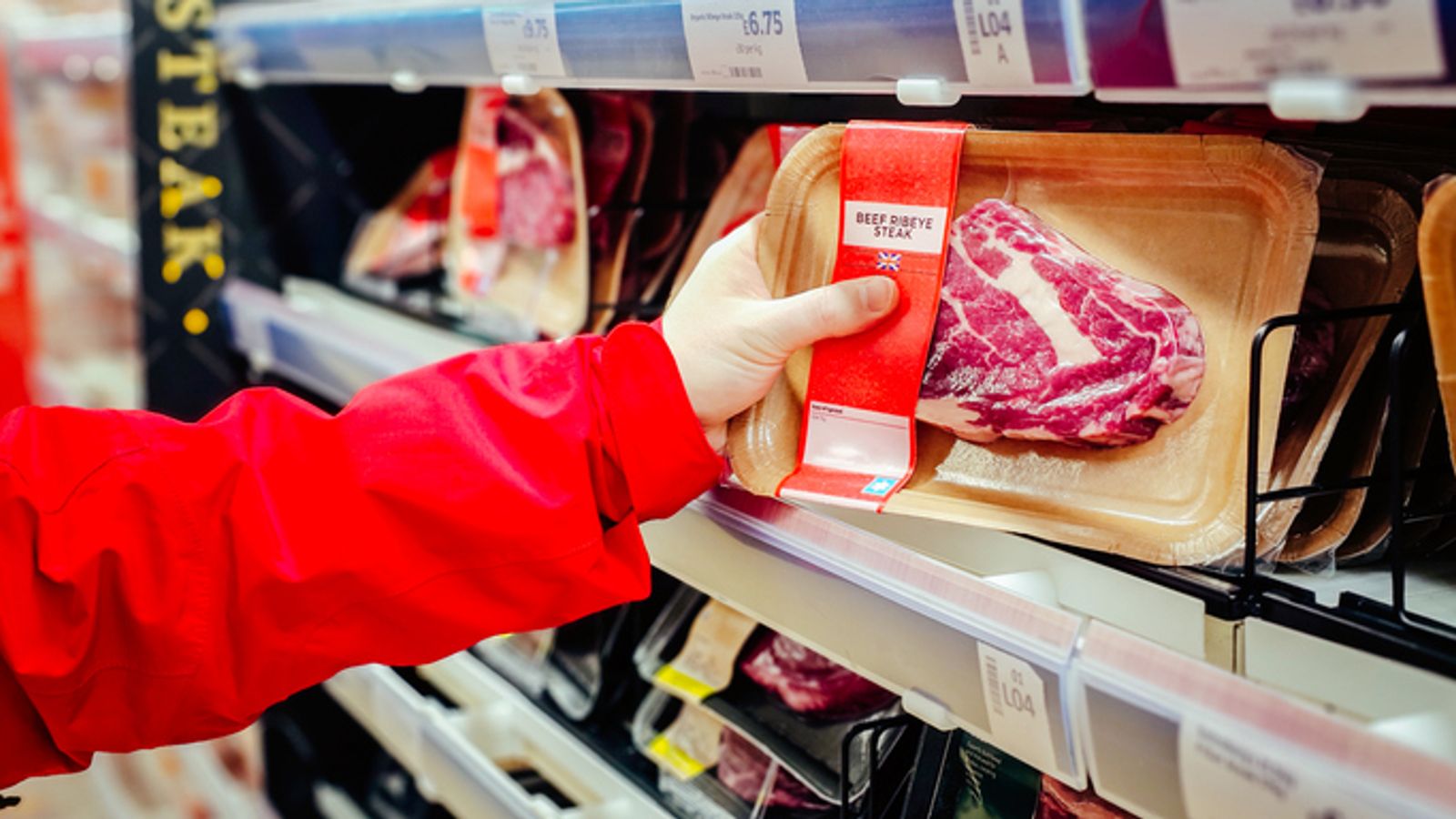
Beyond conversation, there are visual and tactile clues that separate exceptional steak from mediocre cuts. Lily Keeling, a nutritionist at Green Chef UK, emphasizes that quality steak should display a vibrant, deep red color throughout the entire cut, without any dull or brown patches that might indicate aging or poor handling. One of the most important features to look for is marbling—those fine, white lines of fat running through the meat. This intramuscular fat is what delivers incredible flavor and keeps the steak moist during cooking. When you touch quality steak, it should feel firm rather than mushy, and the surface shouldn’t appear either excessively dry or wet. These simple indicators can help you identify premium meat whether you’re shopping at a high-end butcher or your local supermarket.
Navigating Different Cuts and Their Characteristics
Understanding the various cuts of steak opens up a world of possibilities for matching meat to your dietary needs and flavor preferences. Ribeye stands as the champion for those seeking maximum flavor and richness, thanks to its generous marbling and higher fat content. This cut delivers an intensely beefy taste and remains juicy even if slightly overcooked, making it forgiving for home cooks. On the opposite end of the spectrum, fillet or tenderloin offers the leanest option with exceptional tenderness. While it may not pack the same flavor punch as ribeye, its buttery texture and mild taste make it perfect for those watching their fat intake or who prefer a more delicate eating experience. Somewhere in the middle, you’ll find rump and sirloin steaks, which strike a beautiful balance between flavor and leanness. These cuts provide satisfying taste with less fat than ribeye, making them excellent choices for regular meals when you want good quality protein without excessive richness.
The cut you choose is just one piece of the puzzle. How the animal was fed throughout its life creates significant differences in the final product. Grass-fed beef typically develops a deeper, more pronounced flavor profile and tends to be leaner with higher protein content. Animals that spend their lives grazing on pasture produce meat with a distinctive, robust taste that many steak enthusiasts prefer. Grain-fed beef, conversely, develops more fat marbling distributed throughout the muscle, resulting in a softer, more tender texture with a slightly sweeter and milder flavor. Neither approach is inherently superior—your choice depends entirely on whether you prioritize intense beefy flavor or luxurious richness and tenderness. As a bonus, grass-fed beef is generally considered the more environmentally sustainable option, which matters to many conscious consumers today.
Quality Indicators Beyond the Basics
When you’re hunting for exceptional steak, certain quality markers can guide you toward the best options. Dry-aged beef represents one of the most reliable indicators of premium meat. During the aging process, which can last anywhere from a few weeks to several months, enzymes naturally break down muscle tissue while moisture evaporates, concentrating the beef’s flavor and improving tenderness dramatically. The result is steak with an intensely beefy, almost nutty taste and a texture that melts in your mouth. Heritage breeds offer another marker of quality. These traditional breeds are typically raised with flavor and meat quality as the primary goals rather than rapid growth and high yield. Farmers who choose heritage breeds are usually more focused on the eating experience than maximizing production efficiency.
However, even with these indicators, Molloy emphasizes that the most crucial factor is buying from someone you trust—whether that’s a butcher who knows their product inside and out and genuinely enjoys sharing that knowledge, or a reputable supplier with transparent sourcing practices. Building these relationships transforms steak buying from a guessing game into a collaborative experience where you learn and improve with each purchase. A trustworthy seller will happily answer questions about their sourcing, aging processes, and recommendations for different cuts, helping you make informed decisions that match your preferences and budget.
The Supermarket vs. Butcher Debate
There’s a common assumption that butcher shops always provide superior meat compared to supermarkets, but the reality is more nuanced. While specialty butchers offer the undeniable advantage of expertise and often feature unique cuts and specialty items, modern supermarkets have significantly elevated their game. Most major chains now offer premium or dry-aged lines that can genuinely compete with traditional butcher offerings. Surprisingly, even budget-focused retailers like Aldi occasionally stock exceptional products, including Japanese Wagyu beef during special promotions. Aldi has actually developed quite a reputation for quality steaks, with Michelin-starred chef Kenny Atkinson—chef-owner of restaurants including Solstice and House of Tides in Newcastle—specifically praising the supermarket’s meat selection as very good for home cooking, noting that the flavor and tenderness of their steak range offers excellent value.
The key difference between shopping at supermarkets versus butchers often comes down to the availability of expert guidance. At a butcher shop, you can ask detailed questions and receive personalized recommendations. In supermarkets, you’re relying on your own knowledge and the information provided on packaging. However, good packaging should clearly indicate the important details—origin, aging time, farming method, and cut information. If this information isn’t readily visible, that’s typically a warning sign that quality might not be the priority. Whether you shop at a butcher or supermarket, the most important factor is knowing what to look for and choosing retailers that prioritize transparency and quality in their sourcing.
Regional Differences and Country of Origin
Where your steak comes from matters, but perhaps not in the way you might think. Different regions around the world specialize in distinct styles of beef production, each with unique characteristics. The UK and Ireland have long traditions of producing excellent grass-fed beef with strong, assertive beefy flavors that reflect the animals’ pasture-based diet. The United States is renowned for grain-fed, highly marbled steaks that deliver softer texture and richer, more buttery eating experiences. Australia offers versatility, producing both grass-fed and grain-fed beef to suit different preferences and export markets. Japan holds a special place in the steak world for its Wagyu beef—intensely marbled meat that provides a completely different eating experience characterized by exceptional tenderness and flavor that seems to melt on your tongue.
The important thing to understand is that no single country produces objectively “better” steak than another. Instead, different regions excel at different styles that appeal to various preferences. Your ideal steak depends entirely on what kind of eating experience you’re seeking. If you love pronounced, robust beef flavor, UK or Irish grass-fed might be your preference. If you crave rich, tender, buttery meat, American grain-fed or Japanese Wagyu could be more your style. Understanding these regional specialties helps you make informed choices and explore different flavor profiles, expanding your appreciation for the diverse world of quality beef.
Discovering Underrated Cuts for Better Value
While premium cuts like ribeye, filet mignon, and sirloin dominate most people’s steak-buying habits, exploring lesser-known cuts can deliver exceptional flavor at friendlier prices. Molloy personally recommends bavette, hanger, and skirt steak as underrated options loaded with flavor. These cuts can become beautifully tender when prepared properly—cooked hot and fast, then sliced against the grain. Because they’re often overlooked by home cooks who stick to familiar favorites, these cuts typically offer outstanding value, delivering some of the tastiest steak experiences available without the premium price tag. The key is understanding their characteristics and cooking them appropriately rather than treating them like more forgiving cuts such as ribeye.
Keeling echoes the recommendation for bavette and adds flat iron to the list of underrated cuts worth exploring. She describes flat iron as tender with great, rich flavor that belies its modest price point. Bavette offers strong, assertive flavor that makes it perfect for barbecuing or marinating, though it requires proper technique—specifically, always slicing thinly against the grain after cooking to maintain tenderness. These alternative cuts represent an opportunity to expand your steak repertoire while potentially saving money. They reward home cooks who take the time to learn proper preparation techniques, offering restaurant-quality eating experiences at a fraction of the cost of premium cuts. By venturing beyond the usual suspects and experimenting with these flavorful alternatives, you can discover new favorites while becoming a more knowledgeable and versatile steak buyer.