
The Unfolding Crisis: Understanding the U.S.-Iran Conflict and Path to Military Action
The Initial Strikes and Conflicting Messages
The current tensions between the United States and Iran reached a critical point that many analysts didn’t see coming, especially given the confusing messages coming from Washington over the past year. It all started last summer when American B-2 stealth bombers—some of the most sophisticated aircraft in the U.S. military arsenal—struck multiple nuclear facilities inside Iran. President Donald Trump quickly declared victory, stating that Iran’s nuclear capabilities had been completely “obliterated.” However, almost immediately, questions began swirling about what exactly had been destroyed and whether the administration’s claims matched reality on the ground. Defense experts and intelligence analysts raised concerns that the strikes, while significant, may not have been as devastating as portrayed. This confusion set the stage for a prolonged period of mixed signals, with the administration simultaneously claiming total success while also continuing to threaten further military action against the same nuclear program they said no longer existed.
The contradictions became even more apparent as months passed. If Iran’s nuclear program had truly been obliterated, why was the Trump administration continuing to negotiate over nuclear issues? Why were further strikes being discussed? The administration never fully clarified this confusion, leaving both allies and adversaries uncertain about American intentions and assessments. The initial operation, called Midnight Hammer, involved over 100 aircraft including seven B-2 bombers hitting three nuclear sites. Defense Secretary Pete Hegseth described the operation as “intentionally limited” to provide Iran with an opportunity to negotiate, while explicitly stating it wasn’t about regime change. Yet Trump himself contradicted this message almost immediately, posting on social media questioning why there shouldn’t be regime change if the current Iranian government couldn’t “make Iran great again.” These mixed messages would characterize the administration’s approach for months to come.
Domestic Unrest and Escalating Rhetoric
The situation became further complicated when widespread protests erupted across Iran beginning in late 2025 and continuing into early 2026. What started as demonstrations against the regime quickly grew into a significant internal crisis for Tehran. According to the Human Rights Activists News Agency, thousands of protesters were killed as the Iranian government cracked down harshly on dissent. President Trump warned the regime against these violent responses, threatening to hit them “hard” if the killings continued. When reports emerged that Iran planned to execute 837 people, Trump issued an ultimatum, and Iran reportedly pulled back from those plans—a development the president acknowledged publicly.
This domestic turmoil inside Iran created a new dynamic in the U.S.-Iran relationship. Trump began suggesting that Iran was eager to negotiate, telling reporters in late January 2026 that Iranian leaders “want to make a deal.” He pointed to their decision not to proceed with the mass executions as evidence of their willingness to respond to American pressure. However, this optimistic assessment seemed at odds with subsequent developments. The president’s rhetoric swung between offering Iran chances to negotiate and issuing increasingly severe threats. In late January, he announced that a “massive armada” was heading toward Iran, urging the country to come to the negotiating table and warning that any future attack would be “far worse” than the summer strikes. This alternating pattern of carrot and stick became a defining feature of the administration’s approach.
The Diplomatic Dance and Failed Negotiations
Despite the military threats, serious diplomatic efforts did get underway. Talks were scheduled in Turkey, then shifted to Oman, where U.S. and Iranian representatives engaged in indirect negotiations in early February. Iranian Foreign Minister Abbas Araghchi called these discussions a “good start,” suggesting some possibility of progress. Secretary of State Marco Rubio outlined America’s comprehensive demands, which went far beyond just nuclear issues to include Iran’s ballistic missile program, support for terrorist organizations across the Middle East, and even the regime’s treatment of its own citizens. These sweeping demands made a comprehensive agreement seem increasingly unlikely.
As February progressed, the diplomatic efforts intensified but so did the threats. Vice President JD Vance spoke about wanting a deal while making clear that “another option” remained on the table if negotiations failed. When asked about regime change, he said it was “up to the Iranian people”—a statement that seemed designed to encourage the ongoing protests. Trump himself became more explicit, stating that regime change would be “the best thing that could happen” while complaining that Iran did “a lot of talking, and no action.” By mid-February, he had given Iran a 15-day deadline, warning that failure to make a deal would be “unfortunate for them.”
The negotiations reached a crucial phase in late February when high-level talks occurred in Geneva. The administration demanded that Iran completely stop uranium enrichment—a maximalist position that Iran had consistently rejected. Rubio claimed Iran was attempting to rebuild elements of its nuclear program, despite the earlier claims that it had been obliterated. During his State of the Union address on February 24, Trump painted an alarming picture, claiming Iran had developed missiles threatening Europe and American bases overseas, and was working on missiles that would “soon” reach the United States. This assessment seemed to contradict a Defense Intelligence Agency memo suggesting Iran wouldn’t have intercontinental ballistic missiles until 2035, but the president insisted the threat was imminent.
The Final Breakdown and Return to Military Action
The diplomatic process collapsed quickly after the Geneva talks. On February 27, Trump expressed his dissatisfaction, saying he wasn’t happy that Iran wasn’t “willing to give us what we have to have.” Yet he claimed no final decision had been made about military strikes—even as Secretary of State Rubio prepared to travel to Israel, America’s close ally in the region. Within 24 hours, that claim proved hollow. On February 28, the United States launched what Trump called “major combat operations” in coordination with Israel, dubbed Operation Epic Fury.
In justifying the new strikes, Trump cited the need to “defend the American people by eliminating imminent threats from the Iranian regime.” However, he provided no evidence of these imminent threats, and the strikes were conducted without seeking Congressional approval—a constitutionally questionable decision that drew immediate criticism. The president also explicitly called on the Iranian people to “rise up and depose the regime,” making regime change an overt goal despite earlier denials. This represented a significant shift in stated American policy and raised serious questions about the administration’s actual objectives.
The Confusion Over Iran’s Nuclear Status
One of the most puzzling aspects of this entire sequence of events is the administration’s contradictory statements about Iran’s nuclear program. If the program was truly “obliterated” last summer, why did negotiations focus so heavily on nuclear issues? Why did Rubio claim Iran was trying to “rebuild elements” of the program? And why did Trump justify the latest strikes partly based on nuclear capabilities? The administration never adequately explained these inconsistencies, leaving observers struggling to understand the actual state of Iran’s nuclear development.
Iran has consistently maintained that it doesn’t seek nuclear weapons but believes it has the right to develop nuclear energy for peaceful, civilian purposes—a position supported by international law. The Iranian government has argued that American accusations are pretexts for aggression rather than genuine security concerns. The confusion in American messaging has made it harder to assess the legitimate threat level and whether military action was truly necessary or primarily driven by other political considerations.
The Broader Implications and Uncertain Future
The resumption of major military operations against Iran represents a dangerous escalation with unpredictable consequences. Unlike the “intentionally limited” strikes of last summer, Operation Epic Fury appears designed to inflict more substantial damage while simultaneously encouraging regime change—a combination that could lead to prolonged conflict. The administration’s assurances that there’s “no chance” of a drawn-out war seem optimistic given historical precedents in the Middle East, where military interventions have frequently resulted in extended commitments despite initial promises otherwise.
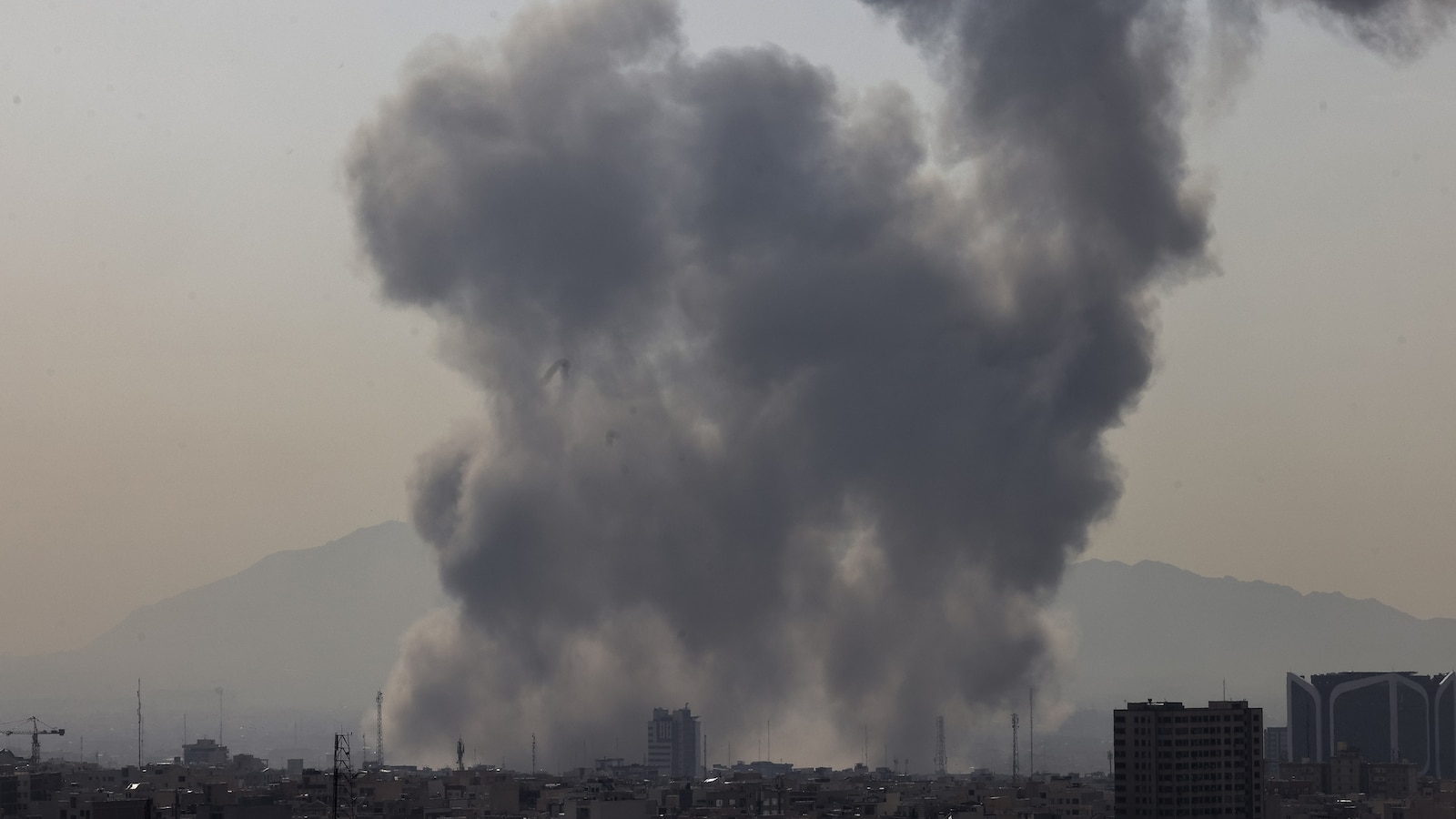
The lack of Congressional authorization raises serious constitutional concerns about war powers and executive overreach. The failure to provide evidence of “imminent threats” echoes controversial justifications from past conflicts, leading critics to question whether the administration has been fully transparent with the American people and their elected representatives. Meanwhile, the coordination with Israel suggests a broader regional strategy that may extend beyond just addressing Iranian nuclear ambitions to reshaping Middle Eastern power dynamics more fundamentally. As smoke rises over Tehran and the world watches anxiously, the full consequences of this latest chapter in U.S.-Iran relations remain uncertain, but the potential for wider conflict and unintended consequences is deeply concerning to analysts across the political spectrum.