

How Will War in the Middle East Affect UK Gas Prices?
The Growing Concern Over Energy Security
For many households across the United Kingdom, the anxiety surrounding energy bills remains a constant worry. Just as families were beginning to catch their breath after the devastating energy crisis that followed Russia’s invasion of Ukraine, new concerns are emerging about how escalating tensions in the Middle East might impact what we pay to heat our homes and power our lives. It’s a question that keeps many people awake at night: will conflict in this volatile region send our gas prices soaring once again? The relationship between Middle Eastern instability and UK energy costs is complex and multifaceted, involving global supply chains, international markets, and geopolitical maneuvering that can feel overwhelming to understand. However, getting to grips with these connections is essential for British consumers who want to prepare themselves financially and understand the forces shaping their monthly bills. While the UK doesn’t directly import large quantities of gas from the Middle East, the interconnected nature of global energy markets means that disruptions thousands of miles away can ripple through to affect prices on our shores in ways that aren’t always immediately obvious.
Understanding the UK’s Gas Supply Chain
To truly appreciate how Middle Eastern conflicts might impact British gas prices, we first need to understand where our gas actually comes from. The United Kingdom primarily sources its natural gas from three main channels: domestic production from the North Sea, pipeline imports from Norway, and liquefied natural gas (LNG) shipped from various countries around the world. In recent years, domestic North Sea production has been declining, making the UK increasingly dependent on imports to meet demand, particularly during the cold winter months when heating requirements spike dramatically. Norway has become our most reliable supplier, providing steady pipeline gas that flows directly into the UK grid. Meanwhile, LNG arrives at specialized import terminals dotted around our coastline, where super-cooled liquid gas is converted back into its gaseous form and fed into the national distribution system. The critical point to understand is that even though we don’t buy much gas directly from Middle Eastern producers, we’re purchasing from the same global LNG market that they sell into. When conflict disrupts supplies or threatens production facilities in the Middle East, it creates a knock-on effect throughout this worldwide marketplace, tightening supply and pushing prices upward everywhere, including in Britain. Additionally, many European countries that compete with the UK for gas supplies have greater dependence on imports, meaning when they scramble to secure their energy needs during a crisis, it intensifies competition and drives costs higher for everyone involved.
The Middle East’s Role in Global Energy Markets
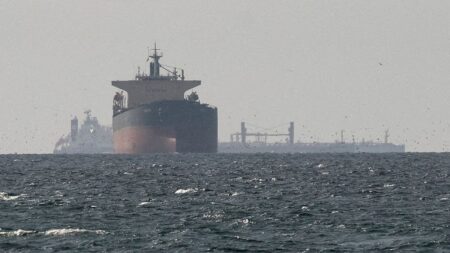
The Middle East has long been recognized as the world’s energy heartland, though most people associate the region primarily with oil production rather than natural gas. However, several Middle Eastern nations are also significant players in the global gas market, with Qatar standing out as one of the world’s largest exporters of LNG. Qatar alone accounts for a substantial portion of global LNG supplies, shipping super-cooled gas to customers across Asia, Europe, and beyond. Iran also possesses enormous gas reserves, though international sanctions have limited its ability to export. The strategic importance of the Middle East extends beyond just production volumes; the region contains critical infrastructure and shipping routes that are vital to global energy security. The Strait of Hormuz, a narrow waterway between Iran and the Arabian Peninsula, serves as a crucial chokepoint through which approximately one-fifth of the world’s petroleum and a significant amount of LNG passes. Any conflict that threatens this passage or other key infrastructure could send shockwaves through energy markets worldwide. When tensions escalate in the region, whether through direct military conflict, terrorist attacks on facilities, or diplomatic crises that threaten sanctions or supply disruptions, energy traders respond by bidding up prices in anticipation of potential shortages. This speculative activity alone can cause price spikes even before any actual disruption occurs, meaning that the mere threat of conflict can hit British consumers in their wallets.
How Global Market Dynamics Transmit Conflict Effects to UK Prices
The mechanism by which Middle Eastern conflicts translate into higher UK gas prices operates through the globally interconnected nature of energy markets. Natural gas, particularly in its LNG form, trades on international markets where prices are set by supply and demand dynamics that incorporate every geopolitical risk and supply concern from around the world. When conflict breaks out or intensifies in the Middle East, several market reactions typically occur simultaneously. First, traders anticipate potential supply disruptions and begin purchasing gas contracts as a hedge against future shortages, driving up futures prices immediately. Second, countries that are more vulnerable to supply interruptions, particularly in Asia and Europe, start competing more aggressively for available LNG cargoes, creating bidding wars that push spot prices higher. Third, the risk premium associated with energy shipments increases as insurance costs rise and some tankers may avoid certain routes, effectively reducing available supply. For the UK, these global price increases matter tremendously because even though we have pipeline gas from Norway, we still need LNG imports to balance our supply, especially during peak demand periods. British energy companies must compete for these LNG cargoes against buyers from China, Japan, South Korea, and various European nations, all bidding on the same limited supply. When Middle Eastern tensions drive up the global price of LNG, UK importers have no choice but to pay these elevated rates, costs which are ultimately passed along to businesses and households through their energy bills.
Recent Conflicts and Historical Patterns
Looking at historical patterns provides valuable insight into how Middle Eastern conflicts have previously affected UK energy prices and what we might expect from current or future tensions. During the Gulf War in 1990-91, oil prices spiked dramatically, though the impact on gas prices was less pronounced given the different market structures at that time. More recently, periodic tensions involving Iran, including drone attacks on Saudi oil facilities in 2019, have caused temporary price jumps in energy markets. The ongoing conflicts in Yemen, periodic Israel-Palestine escalations, and the broader Iran-Saudi regional rivalry all contribute to a baseline level of geopolitical risk that keeps energy prices elevated above what they might otherwise be. What’s particularly concerning for UK consumers is that we’re now more vulnerable to these price shocks than we were a decade ago. Our increased reliance on imports, the depletion of our North Sea reserves, and the limited gas storage capacity in Britain mean we have less cushion to absorb supply shocks. Unlike some European countries that have large underground storage facilities that can be filled when prices are low and drawn upon during crises, the UK operates much closer to a just-in-time supply model. This makes us more exposed to sudden price movements triggered by events abroad. Furthermore, since the energy crisis sparked by Russia’s invasion of Ukraine, global gas markets have remained tighter and more volatile than before, meaning that any additional disruption from Middle Eastern conflicts lands on an already stressed system, potentially amplifying the price impact for British consumers who are still recovering from previous bill increases.
What This Means for UK Households and the Path Forward
For ordinary British households already struggling with the cost of living, the prospect of further energy price increases due to Middle Eastern conflicts is genuinely worrying. While wholesale gas prices have retreated from the extreme peaks seen in 2022, they remain considerably higher than pre-pandemic levels, and the energy price cap that limits what suppliers can charge domestic customers still allows for bills that are punishingly expensive for many families. Any new spike driven by Middle Eastern instability could push prices back toward crisis levels, forcing difficult decisions about heating and energy use. The government and energy industry are acutely aware of these vulnerabilities, which is why there’s increasing focus on energy security measures designed to insulate Britain from global market shocks. These include efforts to maximize remaining North Sea production, accelerate the deployment of renewable energy sources like wind and solar that aren’t subject to international fuel price fluctuations, and improve energy efficiency across the housing stock so that less gas is needed for heating. Investment in nuclear power, while controversial and slow to deliver, also forms part of the long-term strategy to reduce dependence on imported gas. In the shorter term, rebuilding gas storage capacity is being reconsidered after previous facilities were closed on economic grounds. For individual households, the uncertain geopolitical environment makes the case even stronger for energy efficiency improvements like better insulation, more efficient boilers, and transitioning to heat pumps where feasible. While these measures require upfront investment, they provide protection against future price volatility regardless of what happens in the Middle East or elsewhere. Ultimately, the question of how Middle Eastern conflicts will affect UK gas prices doesn’t have a simple answer—it depends on the specific nature, location, and severity of any conflict, how it affects critical infrastructure or shipping routes, and how global markets respond. What we can say with certainty is that in our interconnected world, Britain cannot insulate itself completely from energy price shocks originating in distant regions, making energy security and the transition to more stable, domestic energy sources not just environmental imperatives but economic and national security priorities as well.