
How Will the War Hit Your Finances?
Understanding the Economic Ripple Effects of Global Conflict
When war breaks out anywhere in the world, it’s not just the immediate region that feels the impact. The interconnected nature of our global economy means that conflicts thousands of miles away can reach into your wallet, affecting everything from the price you pay at the gas pump to the cost of your weekly grocery shop. Understanding how war influences personal finances isn’t about creating panic—it’s about being informed and prepared so you can make smart decisions for yourself and your family during uncertain times.
Modern conflicts create economic shockwaves that travel through complex international systems of trade, finance, and resource distribution. Whether you’re a young professional just starting to build savings, a family trying to manage a household budget, or someone nearing retirement, war-related economic disruptions can challenge your financial stability in ways you might not immediately recognize. The key is understanding these connections so you can adapt your financial strategies accordingly and protect what matters most to you.
Energy Costs and the Domino Effect on Your Daily Expenses
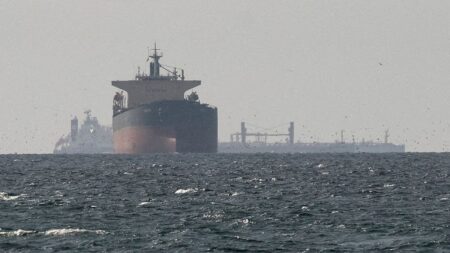
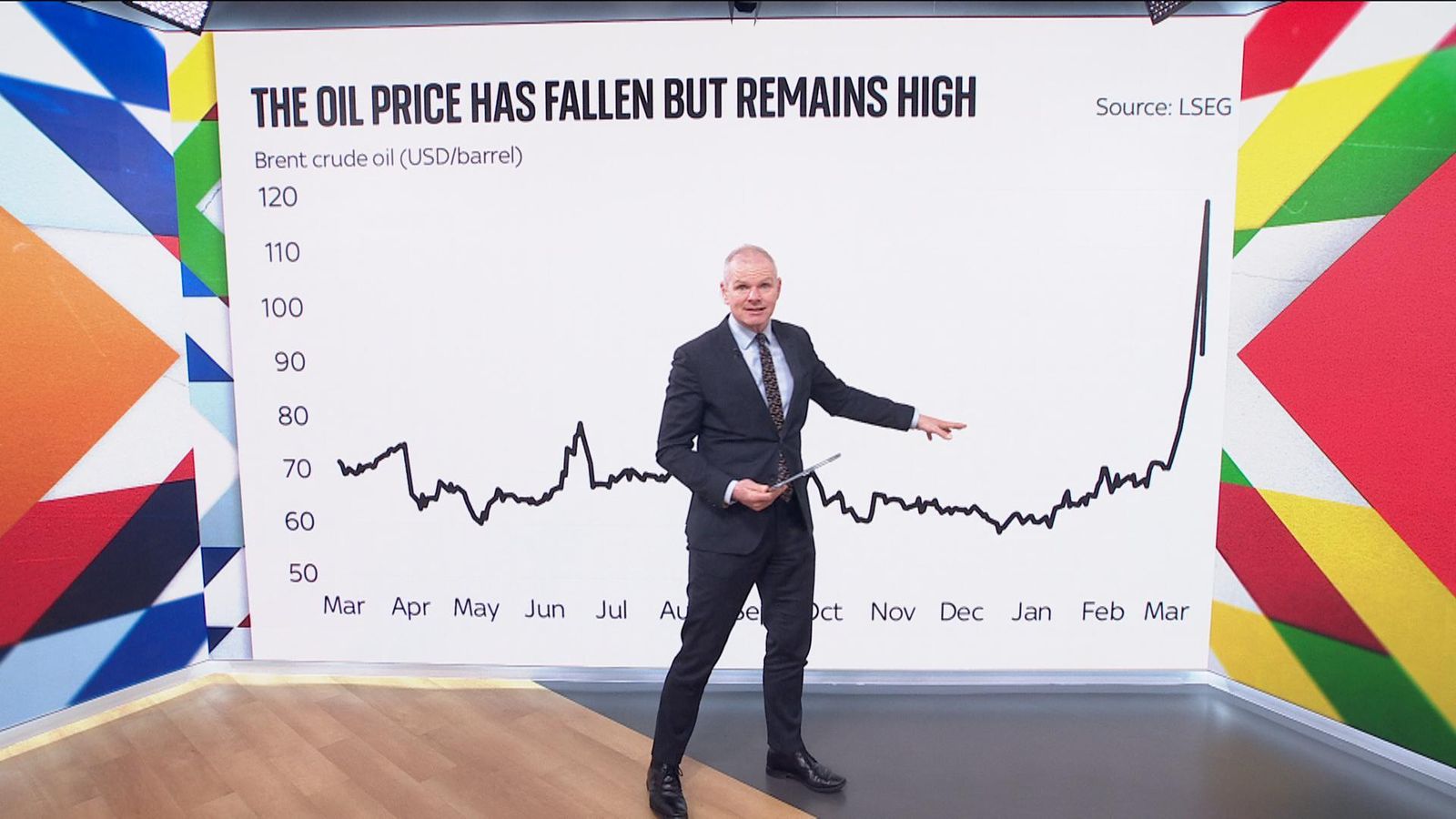
Perhaps the most immediate and noticeable way war affects your finances is through energy prices. When conflicts occur in regions that produce or transport significant amounts of oil and natural gas, global energy markets react swiftly and dramatically. You’ll notice this first at the gas station, where fuel prices can spike seemingly overnight. But the impact goes far beyond just filling up your car. Energy costs ripple through virtually every aspect of the economy because transportation, manufacturing, and distribution all depend heavily on fuel.
Think about your weekly grocery bill. When diesel prices increase, the cost of transporting food from farms to processing facilities to distribution centers to your local supermarket all goes up. Those increased costs get passed along to consumers. Suddenly, that loaf of bread or gallon of milk costs noticeably more, and it’s not because of the ingredients—it’s because of the fuel needed to get those products to you. Similarly, anything made in factories that rely on energy-intensive processes will become more expensive. Plastics, metals, building materials, and countless other goods see price increases when energy costs rise.
For homeowners, higher energy costs mean increased heating and cooling bills that can strain monthly budgets. If you’re on a fixed income or living paycheck to paycheck, a 30% or 40% increase in your utility bill isn’t just inconvenient—it can force difficult choices about which expenses to cut. Renters aren’t immune either, as landlords facing higher operating costs may seek to raise rents when leases come up for renewal. The energy price shock created by war doesn’t just hit once; it keeps affecting your finances month after month until the situation stabilizes or you find ways to reduce your energy consumption.
Food Security and Agricultural Market Disruptions
War’s impact on food prices deserves special attention because it affects everyone, regardless of income level. Many conflict zones are also major agricultural producers or sit along critical trade routes for food commodities. When war disrupts farming, processing, or transportation of crops like wheat, corn, sunflower oil, or fertilizers, global food markets react with price increases that show up in supermarkets worldwide. Ukraine and Russia together, for example, account for a massive portion of global wheat exports, and conflicts involving these nations immediately affect bread prices from Cairo to Caracas to California.
Beyond direct production in conflict zones, war affects agriculture through input costs. Modern farming depends on fertilizers, many of which are manufactured using natural gas or imported from specific regions. When war disrupts these supply chains or increases energy costs, fertilizer becomes more expensive. Farmers facing higher input costs must either absorb those expenses (reducing their income) or pass them along through higher food prices. Additionally, some fertilizers and agricultural chemicals come from regions affected by conflict or sanctions, creating actual shortages rather than just price increases.
The result is that your grocery budget gets squeezed from multiple directions simultaneously. Staple foods become more expensive, and the situation can persist for years because agricultural markets don’t bounce back quickly. Farmers make planting decisions based on expected prices and costs, and if a war creates uncertainty, they may plant less, creating supply constraints that outlast the conflict itself. For families already struggling with inflation, war-induced food price spikes can mean genuinely difficult decisions about nutrition and food security, forcing people to choose cheaper, less nutritious options or simply buy less food overall.
Investment Portfolios and Retirement Savings Under Pressure
If you have money invested in retirement accounts, college savings plans, or other investment vehicles, war creates volatility that can be deeply unsettling when you check your account balances. Stock markets hate uncertainty, and war represents one of the most significant forms of uncertainty imaginable. When conflicts erupt, investors often engage in “flight to safety,” selling stocks and buying traditionally stable assets like government bonds or gold. This can cause stock prices to drop sharply, reducing the value of your 401(k) or IRA seemingly overnight.
The impact on your investments depends partly on your timeline and strategy. If you’re young with decades before retirement, short-term volatility caused by war, while unpleasant to watch, is less consequential because markets historically recover and grow over long periods. However, if you’re approaching retirement or already retired and depending on your portfolio for income, war-related market drops can be frightening and potentially damaging to your financial security. A significant market decline just as you’re beginning to draw down savings can have lasting effects on how long your money will last.
Different types of investments respond differently to war. Energy company stocks might actually increase as oil and gas prices rise, while companies dependent on international trade or manufacturing in affected regions may see their stock prices fall. Defense contractors often see increased investor interest during wartime. Bond prices typically rise (and yields fall) as investors seek safety, which affects both bond values and the income they generate. Currency markets also fluctuate, which matters if you have international investments or travel abroad. The key point is that war introduces significant unpredictability into financial markets, and this uncertainty can materialize as real losses in your personal net worth, at least temporarily.
Employment and Income Stability Concerns
War’s economic disruptions don’t just affect prices and investments—they can also impact your job security and income potential. Companies that depend on international supply chains, export markets, or materials from conflict-affected regions may face serious business challenges. If your employer can’t get necessary components, faces dramatically increased costs, or loses access to important markets, the company may respond by freezing hiring, cutting bonuses, reducing hours, or in worst-case scenarios, conducting layoffs.
Certain industries are more vulnerable than others. Manufacturing operations with complex international supply chains can grind to a halt when critical components become unavailable. Tourism and hospitality suffer when people become nervous about traveling during uncertain times. Airlines face double pressures from both reduced demand and increased fuel costs. Export-dependent businesses lose revenue when international trade becomes difficult or when sanctions close off markets. Even if your specific employer isn’t directly affected, broader economic slowdowns caused by war can reduce consumer spending, which eventually impacts businesses throughout the economy.
On the other hand, some sectors may see growth during wartime. Defense industries obviously increase production. Cybersecurity becomes more critical. Domestic producers may benefit if they can substitute for imports that are no longer available. Energy extraction and production may expand. If you work in these areas, you might actually see improved job security or income growth. However, for most people, war creates economic headwinds that make career advancement more difficult, wage increases less likely, and job security more tenuous. This income uncertainty, combined with rising costs for essentials, creates a financial squeeze that can be difficult to navigate.
Practical Steps to Protect Your Financial Well-being
Understanding how war affects your finances is important, but taking action to protect yourself is essential. Start by reviewing your budget with a critical eye toward reducing vulnerability to price shocks. Can you reduce energy consumption by adjusting thermostats, combining trips, or improving home insulation? Can you shift food purchasing toward less expensive staples and reduce waste? Small changes in consumption patterns won’t eliminate war’s financial impact, but they can help cushion the blow and keep your budget balanced when prices spike.
For your investments, resist the urge to make dramatic changes based on short-term volatility. Panic selling locks in losses and often means missing the recovery when it comes. Instead, review your asset allocation to ensure it matches your risk tolerance and timeline. If market drops are causing you genuine anxiety and sleepless nights, that might indicate your portfolio is more aggressive than your comfort level can handle. Consider speaking with a financial advisor about rebalancing. Make sure you have adequate emergency savings—financial experts typically recommend three to six months of expenses, but during uncertain times, having more cash reserves provides valuable peace of mind and flexibility.
Building financial resilience also means managing debt carefully. High-interest debt becomes even more burdensome when your costs are rising and income is uncertain. Prioritize paying down expensive debt when possible, and be cautious about taking on new obligations during volatile periods. At the same time, ensure you maintain some accessible savings rather than putting every extra dollar toward debt repayment—liquidity matters when the future is uncertain. Finally, stay informed but not obsessed. Understanding economic trends helps you make good decisions, but constantly consuming alarming news can lead to anxiety and poor choices. Focus on what you can control: your spending, your savings habits, your career development, and your financial education. War creates challenges for everyone’s finances, but thoughtful preparation and adaptable strategies can help you weather the storm and maintain your financial stability even during difficult global circumstances.